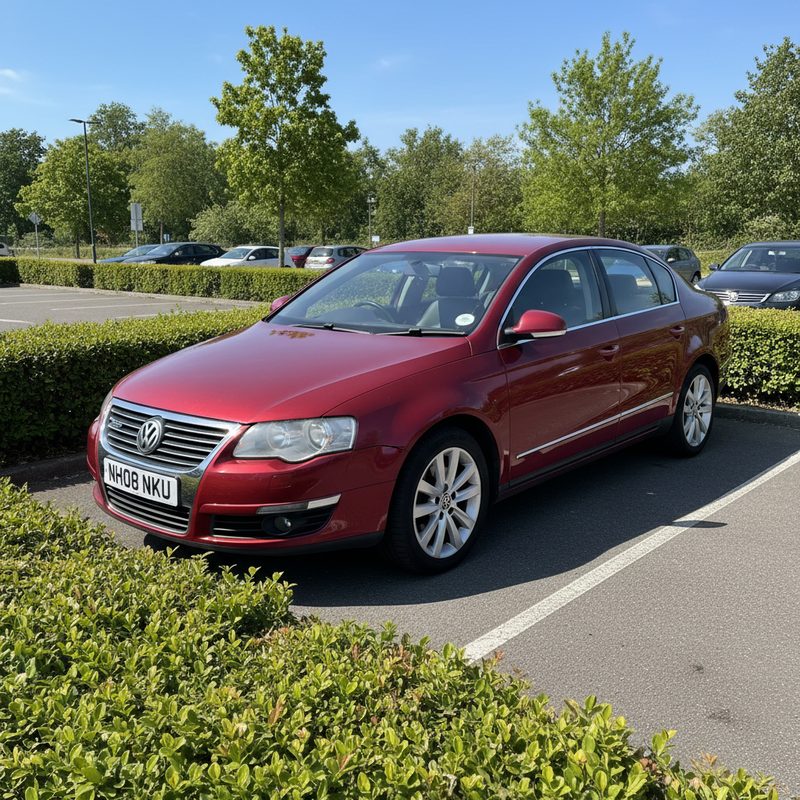
VW Passat at 100k Miles — Motorway Car Mileage Guide
Considering a VW Passat with 100k miles? Discover what to expect, potential issues, and whether it's worth the investment in this comprehensive guide.
What to Expect from a VW Passat at 100k Miles
So, you’ve got your eye on a VW Passat that’s clocked up 100,000 miles. First off, let’s clear the air: 100k miles isn’t the end of the world, especially for a well-built German car like the Passat. In fact, many Passats are just hitting their stride at this mileage, having been designed for long-distance cruising.
When you’re looking at a Passat with this kind of mileage, expect it to have been used primarily for motorway driving. This is good news because motorway miles are generally less punishing than stop-start city driving. The engine has likely been kept at a steady temperature, and the wear on components is typically more gradual.
However, don’t let the mileage lull you into a false sense of security. At 100k, you should be prepared for some wear and tear. The car might still be in good nick, but it’s essential to check for signs of neglect. Look for service history; a well-documented record of regular maintenance is a good sign. If the previous owner has kept up with oil changes, timing belt replacements, and other essential services, you could be looking at a reliable vehicle.
In terms of performance, you can expect the Passat to still deliver a decent driving experience. The handling should be sharp, and the ride comfortable, provided the suspension hasn’t been overly abused. If the car has been used for family trips or as a company car, it might even have some nice extras like a decent infotainment system or upgraded trim.
Components That Typically Need Attention at This Mileage
Now, let’s get into the nitty-gritty of what you might need to keep an eye on when considering a Passat at 100k miles. While the car is generally robust, certain components are prone to wear and tear, and knowing what to look for can save you a pretty penny down the line.
-
Timing Belt: This is a biggie. If the timing belt hasn’t been replaced yet, you’re looking at a potential disaster waiting to happen. VW recommends changing the timing belt every 60,000 to 80,000 miles, so if it’s still the original, you’ll want to factor in the cost of a replacement, which can range from £400 to £800, depending on where you go.
-
Brakes: At this mileage, the brake pads and discs may be nearing the end of their life. Listen for any grinding noises when braking, and check for any vibrations. Replacing pads can cost around £100-£300, while discs can add another £150-£300 to the bill.
-
Suspension: The suspension system can take a beating, especially if the car has been driven on less-than-perfect roads. Look for signs of wear in the shock absorbers and springs. If you notice a bouncy ride or uneven tyre wear, it might be time for a suspension overhaul, which can set you back £500 or more.
-
Clutch: If it’s a manual, the clutch can wear out, especially if the previous owner was a bit heavy-footed. A new clutch can cost between £500 and £1,000, so it’s worth checking for any slipping or unusual noises when engaging gears.
-
Electronics: As with any modern car, electronics can be a bit temperamental. Check that all the gadgets work, from the infotainment system to the air conditioning. Repairs can vary widely, but a malfunctioning infotainment system can cost upwards of £500 to replace.
-
Tyres: Check the condition of the tyres. At this mileage, they might be worn down, especially if they haven’t been rotated regularly. A new set of tyres can cost anywhere from £300 to £600, depending on the brand and type.
Is the Price Usually Right for This Mileage? What Discount to Expect
When it comes to pricing, a VW Passat at 100k miles can be a bit of a mixed bag. Generally, you can expect to pay anywhere from £5,000 to £10,000, depending on the model year, trim level, and condition. However, this is where you need to do your homework.
A well-maintained Passat with a full service history and no major issues can command a higher price, while one that’s been neglected might be significantly cheaper. If you find a Passat priced at the higher end of the spectrum, don’t be shy about negotiating. A good rule of thumb is to expect a discount of around 10-15% off the asking price if you can identify any potential issues or if the service history is lacking.
For example, if you’re looking at a Passat priced at £8,000 but notice that the timing belt hasn’t been changed, you could argue for a price closer to £7,000. Always remember, the more you know about the car’s condition, the better your negotiating position will be.
Red Flags in the MOT History at This Mileage
MOT history is your best friend when it comes to assessing a used car, especially one with 100k miles under its belt. A clean MOT history is a good sign, but if you see a few red flags, it’s time to proceed with caution.
-
Frequent Failures: If the car has failed its MOT multiple times, it’s a sign that it may have underlying issues. Look for patterns in the failures; if they’re all related to the same component, it could indicate a serious problem.
-
Advisories: While advisories aren’t failures, they can indicate potential future problems. If you see advisories for things like worn brake pads or suspension issues, it’s worth investigating further.
-
Mileage Discrepancies: Keep an eye out for any discrepancies in the mileage recorded during MOT tests. If the mileage seems to jump significantly from one year to the next, it could be a sign of tampering.
-
Rust and Corrosion: Pay attention to any advisories related to bodywork. Rust can be a real issue, especially in older models. If the MOT history shows repeated advisories for corrosion, it might be worth steering clear.
-
Service History: A lack of service history can be a red flag. If the MOT history shows that the car has been regularly tested but there’s no accompanying service history, it could indicate that the previous owner wasn’t diligent about maintenance.
Dave's Verdict — Worth the Risk or Walk Away?
So, what’s the final verdict on a VW Passat at 100k miles? Well, it really depends on the specific car in question. If you find one that’s been well cared for, with a full service history and no major issues, it can be a fantastic buy. The Passat is known for its reliability and comfort, making it an excellent choice for families or anyone who spends a lot of time on the road.
However, if you come across a Passat that’s been neglected, or if the MOT history raises too many red flags, it might be best to walk away. Remember, there are plenty of fish in the sea, and you don’t want to end up with a lemon that’ll cost you more in repairs than it’s worth.
Before making a decision, I highly recommend checking the mileage history of any VW Passat you’re considering. You can do this with my free report, which will give you a comprehensive look at the car’s past. It’s a small step that can save you a lot of headaches down the line.
In conclusion, a VW Passat at 100k miles can be a solid investment if you do your due diligence. Keep an eye on the components that typically need attention, be aware of the pricing landscape, and don’t ignore the MOT history. With a bit of luck and some careful checking, you could drive away with a reliable motor that’ll serve you well for years to come. Happy car hunting!
Check VW Passat, instantly with Dave's free vehicle intelligence report.
Check any VW Passat's mileage history with Dave's free report