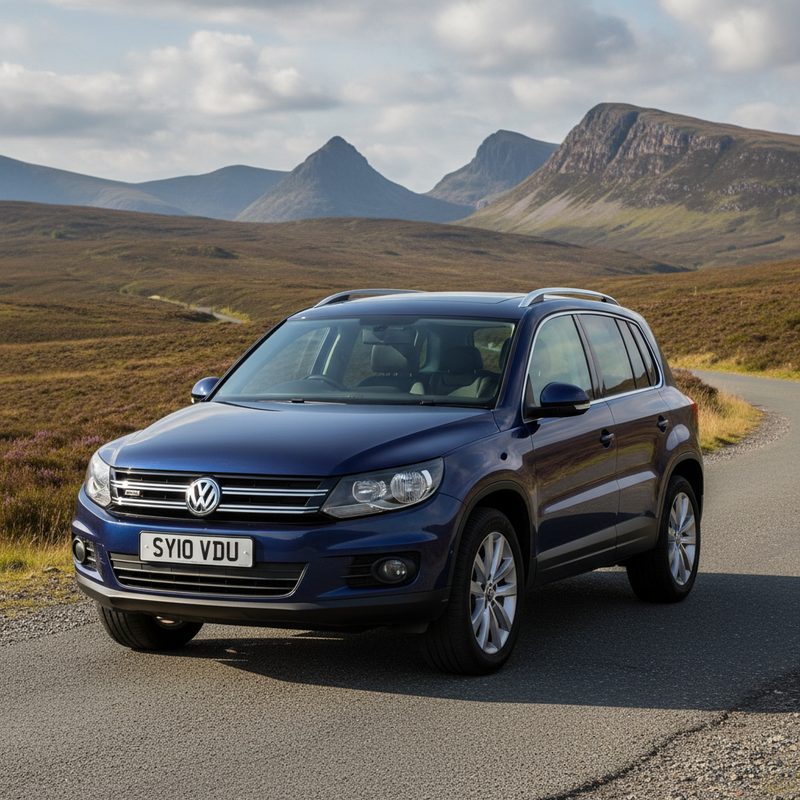
VW Tiguan at 80,000 Miles — SUV Mileage Guide
This guide covers everything you need to know about buying a VW Tiguan at 80,000 miles, including common issues, pricing, and maintenance tips.
What to Expect from a VW Tiguan at 80,000 Miles
So, you’re eyeing a VW Tiguan that’s clocked in at around 80,000 miles? Well, you’re not alone! The Tiguan is a popular choice in the UK, known for its practicality, comfort, and decent performance. At this mileage, you can expect a few things, both good and bad.
First off, the Tiguan is generally considered a reliable vehicle. Many owners report that their cars continue to perform well even beyond 80,000 miles, thanks to VW's engineering. However, it’s essential to understand that this mileage is a significant milestone, and certain components may start to show signs of wear and tear.
You should expect the engine to still be in good shape if it has been well-maintained. Regular oil changes and proper servicing can make a world of difference. However, you might notice a slight decrease in fuel efficiency compared to when it was new. This is normal as the engine ages, but if the drop is significant, it could indicate underlying issues.
The transmission should also be functioning smoothly, but it’s wise to check for any signs of slipping or rough shifting, which could suggest that it’s on its way out. Additionally, the suspension system may need some attention, especially if the car has been driven on rough roads. Listen for any unusual noises when driving over bumps, as this could indicate worn-out shock absorbers or struts.
In terms of interior wear, expect some signs of use. The upholstery might show some wear, particularly on the driver’s seat, and the infotainment system may not be as snappy as it once was. However, if the previous owner has taken good care of the car, you might find it in excellent condition.
Overall, a well-maintained VW Tiguan at 80,000 miles can still offer plenty of life left, but it’s crucial to do your homework and check the vehicle’s history thoroughly.
Components That Typically Need Attention at This Mileage
When considering a VW Tiguan at 80,000 miles, it’s essential to know which components are likely to need attention. Here’s a breakdown of the key areas to focus on:
1. Timing Belt and Water Pump
One of the most critical maintenance items is the timing belt. For many VW engines, the recommended replacement interval is around 60,000 to 80,000 miles. If the timing belt hasn’t been replaced yet, you’ll want to factor in that cost, which can range from £400 to £800, depending on the garage. Along with the timing belt, the water pump is often replaced at the same time, so keep an eye on that as well.
2. Brake Components
Brakes are another area that may require attention. At this mileage, you should check the condition of the brake pads and discs. Depending on driving habits, you might need to replace them soon. Brake pads typically cost between £50 to £150, while discs can range from £100 to £300. If you hear squeaking or grinding noises, it’s a sure sign that they need replacing.
3. Suspension Components
As mentioned earlier, the suspension system can start to wear out around this mileage. Look for signs of leaking shock absorbers or struts, which can lead to a bumpy ride and poor handling. Replacing these can cost between £300 to £600, depending on whether you go for OEM or aftermarket parts.
4. Exhaust System
The exhaust system is another component that can show signs of wear. Check for rust or holes, especially if the vehicle has been driven in areas where salt is used on the roads during winter. A replacement exhaust can set you back anywhere from £200 to £800, depending on the extent of the damage.
5. Electrical Components
Electrical gremlins can start to appear as the car ages. Pay attention to the infotainment system, lights, and power windows. If any of these are acting up, it could indicate a larger electrical issue. Repairs can vary widely in cost, so it’s best to address these problems as soon as they arise.
6. Tyres
Tyres should also be inspected closely. At 80,000 miles, they may be nearing the end of their life, especially if they haven’t been rotated regularly. Check for uneven wear and tread depth. Replacing all four tyres can cost between £300 to £600, depending on the brand and type you choose.
In summary, while the VW Tiguan is a solid choice, it’s essential to be aware of these components that may need attention as you approach the 80,000-mile mark. A thorough inspection can save you from unexpected repair bills down the line.
Is the Price Usually Right for This Mileage? What Discount to Expect
When it comes to pricing, the VW Tiguan at 80,000 miles can be a bit of a mixed bag. Generally, you can expect to pay between £10,000 to £15,000 for a well-maintained model, depending on the year, trim level, and overall condition. However, prices can vary significantly based on the vehicle’s history and how well it has been cared for.
Pricing Factors
Here are some factors that can influence the price:
- Service History: A full service history can justify a higher price. If the previous owner has kept up with regular maintenance, it’s a good sign that the car has been well cared for.
- Condition: The overall condition of the vehicle plays a massive role. A car that looks and feels like new will command a higher price than one with visible wear and tear.
- Mileage: While 80,000 miles is a significant milestone, lower mileage models will generally fetch a higher price. If you find a Tiguan with significantly lower mileage, expect to pay a premium.
- Trim Level: Higher trim levels with more features will naturally cost more. If you’re looking at a high-spec model, be prepared to pay a bit more.
Discounts to Expect
If you’re considering negotiating the price, here are some tips on what discounts you might expect:
- Condition Issues: If you notice any wear and tear or maintenance items that need addressing, use these as leverage to negotiate a lower price. A discount of £500 to £1,000 is not uncommon if there are significant issues.
- Market Trends: Keep an eye on market trends. If there are many similar models available, you might have more room to negotiate.
- Time of Year: Prices can fluctuate depending on the time of year. For example, dealerships might be more willing to negotiate at the end of the month or during winter when sales are slower.
In summary, while the price for a VW Tiguan at 80,000 miles can be reasonable, it’s essential to do your research and be prepared to negotiate based on the car’s condition and history.
Red Flags in the MOT History at This Mileage
When you’re considering a used VW Tiguan, checking the MOT history is crucial. At 80,000 miles, you want to ensure that the vehicle hasn’t had any significant issues that could affect its reliability. Here are some red flags to look out for:
1. Frequent Failures
If you see a pattern of frequent MOT failures, that’s a major red flag. It could indicate that the previous owner didn’t maintain the car properly or that it has underlying issues that haven’t been addressed. Look for the reasons for failure and whether they were rectified before the next test.
2. Advisory Notices
While advisory notices aren’t failures, they can indicate potential future problems. If you see multiple advisories, especially related to critical components like brakes or suspension, it’s worth investigating further. These advisories can often lead to costly repairs down the line.
3. Mileage Discrepancies
Always check for discrepancies in the mileage recorded during MOT tests. If the mileage seems to jump significantly from one year to the next, it could indicate that the odometer has been tampered with. This is a serious concern and should raise alarm bells.
4. Rust Issues
Rust can be a significant problem, especially for cars that have been driven in areas where salt is used on the roads. If the MOT history shows advisories for rust, it’s worth getting a professional inspection to assess the extent of the damage.
5. Emissions Failures
If the vehicle has failed an emissions test, that could indicate issues with the engine or exhaust system. These repairs can be costly, so it’s essential to understand the implications of any emissions failures.
In summary, a thorough review of the MOT history can help you identify potential issues with a VW Tiguan at 80,000 miles. Don’t skip this step; it can save you a lot of headaches in the long run.
Dave's Verdict — Worth the Risk or Walk Away?
So, is a VW Tiguan at 80,000 miles worth the risk? Well, it depends on a few factors. If the car has a solid service history, has been well maintained, and passes a thorough inspection, it can be a fantastic buy. The Tiguan is known for its reliability and comfort, making it a great choice for families or anyone needing a spacious SUV.
However, if you find a model with a questionable history, frequent MOT failures, or signs of neglect, it’s probably best to walk away. The last thing you want is to invest in a vehicle that will cost you more in repairs than it’s worth.
Before making a decision, I highly recommend checking the mileage history with my free report. It’ll give you peace of mind and help you make an informed choice. Remember, buying a used car is a significant investment, so take your time and do your due diligence.
In conclusion, a VW Tiguan at 80,000 miles can be a solid choice if you’re aware of what to look for. Keep an eye on the components that typically need attention, be mindful of the pricing, and always check the MOT history. With a bit of research and careful consideration, you can find a reliable SUV that will serve you well for years to come.
Check VW Tiguan, instantly with Dave's free vehicle intelligence report.
Check any VW Tiguan's mileage history with Dave's free report