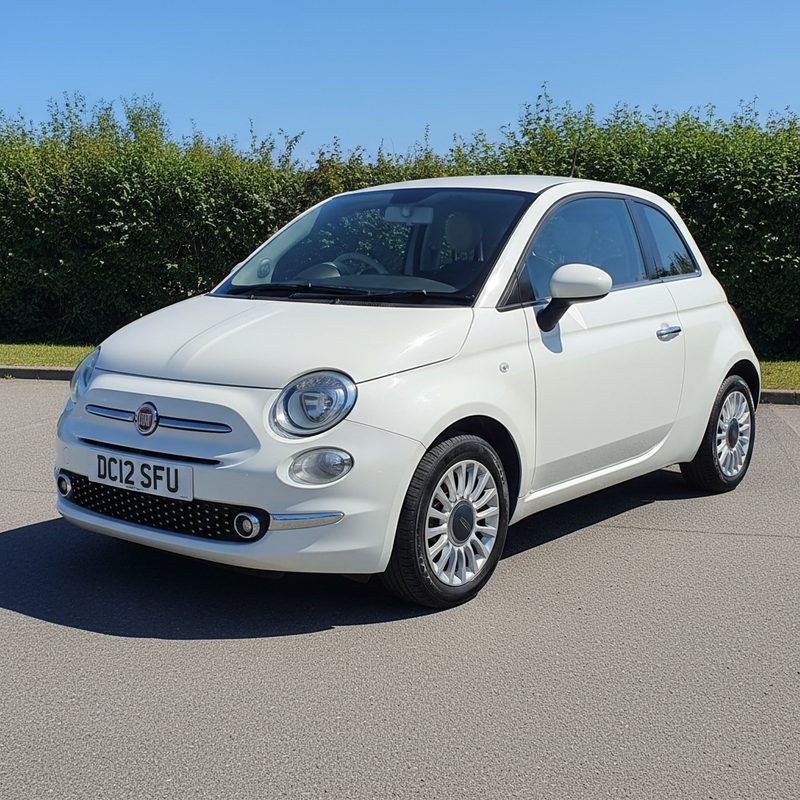
Fiat 500 Depreciation: City Car Value Retention
Discover how the Fiat 500 retains its value, insights on depreciation trends, and tips for smart buying decisions.
Understanding Depreciation in the Fiat 500
Depreciation is a critical factor to consider when purchasing a used car, especially for popular models like the Fiat 500. This charming city car has captured the hearts of many, but like all vehicles, it experiences depreciation over time. Understanding how this process works can help you make informed decisions about when to buy and what to expect in terms of value retention.
The Fiat 500 typically sees a depreciation curve that is relatively steep in the first few years. On average, you can expect the Fiat 500 to lose about 20-25% of its value in the first year alone. By the end of the third year, this figure can rise to around 40-45%. However, the good news is that the Fiat 500 tends to stabilise after this initial drop, with slower depreciation rates in subsequent years. This means that if you can find a well-maintained model that is a few years old, you might secure a good deal without facing the sharpest drops in value.
The Depreciation Curve for the Fiat 500
To illustrate the depreciation curve for the Fiat 500, let’s break down the typical value loss over the first five years. For instance, if you purchase a new Fiat 500 for approximately £15,000, here’s how the depreciation might look:
If you are weighing up alternatives, our guide to Vauxhall Astra Depreciation covers similar ground from a different angle.
- Year 1: £12,000 (20% loss)
- Year 2: £10,500 (30% loss)
- Year 3: £8,250 (45% loss)
- Year 4: £7,500 (50% loss)
- Year 5: £6,500 (57% loss)
As you can see, the Fiat 500 experiences significant depreciation in the early years. However, after the third year, the rate of depreciation slows down considerably. This stabilisation can be attributed to the Fiat 500's popularity and its status as a desirable city car, which helps maintain its resale value.
Sweet Spot Age: Best Year to Buy for Value
Identifying the sweet spot for purchasing a Fiat 500 is essential for maximising your investment. Generally, the best time to buy is between three to five years after the car's initial registration. At this stage, the vehicle has already undergone the steepest depreciation, allowing you to purchase it at a significantly reduced price compared to a new model.
For more on this topic, take a look at our When Does a Ford Fiesta Stop Depreciating? guide.
For example, a three-year-old Fiat 500 that originally sold for £15,000 might be available for around £8,250. This price point represents a considerable saving while still offering a relatively modern vehicle with many of the latest features. Furthermore, many three to five-year-old models will still be under warranty, providing additional peace of mind.
Additionally, consider looking at models that have been well-maintained and have a full service history. This can further enhance the value retention of your purchase. You can check the service history and any past MOT records through the GOV.UK MOT history website, which is a valuable resource for verifying a vehicle's condition.
You might also find our Volkswagen T-Cross Depreciation guide useful alongside this one.
Which Variants/Specs Hold Value Best
Not all Fiat 500 variants are created equal when it comes to depreciation. Certain specifications and trims tend to hold their value better than others. For instance, the more popular models, such as the Fiat 500 Lounge or the sporty Abarth variant, often see less depreciation compared to the base models. This is primarily due to their enhanced features, performance, and desirability among buyers.
The Fiat 500 Abarth, for example, is known for its sporty appeal and performance enhancements, making it a sought-after choice for enthusiasts. As a result, it tends to retain its value better than the standard models. Similarly, models equipped with desirable features such as panoramic sunroofs, upgraded infotainment systems, and advanced safety features often attract higher resale prices.
We have covered related ground in our Nissan Juke Depreciation Curve UK guide, which is worth reading if this subject interests you.
In the current market, you might find that a well-maintained Fiat 500 Abarth, which originally retailed for around £18,000, could still fetch around £12,000 after three years, while a base model might only be worth £7,500. This difference illustrates how certain variants can significantly impact resale value.
Factors That Affect the Fiat 500's Resale Value
Several factors play a crucial role in determining the resale value of a Fiat 500. Understanding these can help you make a more informed purchase. Here are some key considerations:
You can check the exact safety score for any model on the Euro NCAP website.
Condition of the Vehicle
The overall condition of the car is paramount. A Fiat 500 that has been well cared for, with a comprehensive service history and no major accidents, will naturally command a higher resale price. Regular maintenance and timely repairs can significantly enhance the vehicle's longevity and value.
Mileage
Mileage is another critical factor. Generally, lower mileage indicates less wear and tear, making the vehicle more appealing to potential buyers. A Fiat 500 with under 30,000 miles will typically hold its value better than one with over 60,000 miles, all else being equal.
Market Demand
The demand for the Fiat 500 can fluctuate based on trends and consumer preferences. For example, during periods when city cars are in high demand, you may find that resale values are higher. Conversely, if larger vehicles become more popular, the demand for smaller cars like the Fiat 500 might decrease, impacting its resale value.
Modifications
While some modifications can enhance a car's appeal, others may deter potential buyers. If you’re considering personalising your Fiat 500, think carefully about how these changes might affect its resale value. Generally, keeping the car close to its original factory specifications is advisable for better value retention.
Economic Factors
Broader economic conditions can also impact resale values. During economic downturns, for instance, buyers may be less willing to spend, leading to lower resale prices. Conversely, in a strong economy, demand for used cars can increase, pushing prices up.
How to Minimise Depreciation When You Buy
Minimising depreciation starts with making smart choices at the point of purchase. Here are some strategies to consider:
Buy Used, Not New
As mentioned earlier, purchasing a used Fiat 500 that is three to five years old is often the best way to minimise depreciation. By avoiding the initial drop in value that new cars face, you can secure a better deal and reduce your overall financial risk.
Choose the Right Variant
Opt for a variant that is known for holding its value well. As discussed, the Fiat 500 Abarth and Lounge models tend to retain their value better than base models. Research the market and consider your preferences to find a model that balances desirability and practicality.
Keep It in Good Condition
Regular maintenance is key to preserving your car's value. Follow the manufacturer's service schedule, keep the car clean, and address any minor issues before they become significant problems. A well-maintained vehicle will always be more appealing to buyers.
Limit Modifications
While personalising your Fiat 500 can be tempting, consider how modifications may affect resale value. Stick to tasteful, reversible changes that enhance the car's appeal without alienating potential buyers.
Monitor Market Trends
Stay informed about market trends and consumer preferences. If you notice a shift in demand for city cars, it might be wise to sell before the market declines. Tools like AutoTrader can help you gauge current market conditions and pricing trends.
Dave's Recommendation on Timing Your Purchase
Timing is everything when it comes to buying a used Fiat 500. Ideally, aim to purchase during the late summer or early autumn months. This period often sees a surge in new car sales, leading to an influx of trade-ins. As a result, you may find a wider selection of used Fiat 500s at competitive prices.
If things go wrong after purchase, Citizens Advice can help you understand your legal rights.
Additionally, consider the end of the month or quarter when dealerships are eager to meet sales targets. They may be more willing to negotiate on price, giving you the opportunity to secure a better deal.
In conclusion, the Fiat 500 is a popular choice for city driving, and while it does experience depreciation, understanding the factors that influence its value can help you make a smart purchase. By focusing on the right age, variant, and condition, you can minimise depreciation and enjoy your Fiat 500 for years to come. To check any Fiat 500's value and ensure you're making a wise investment, consider using Dave's free report for a comprehensive analysis.
Whether you're a first-time buyer or looking to upgrade, being informed about depreciation can empower you to make the best decision for your needs. Happy car hunting!