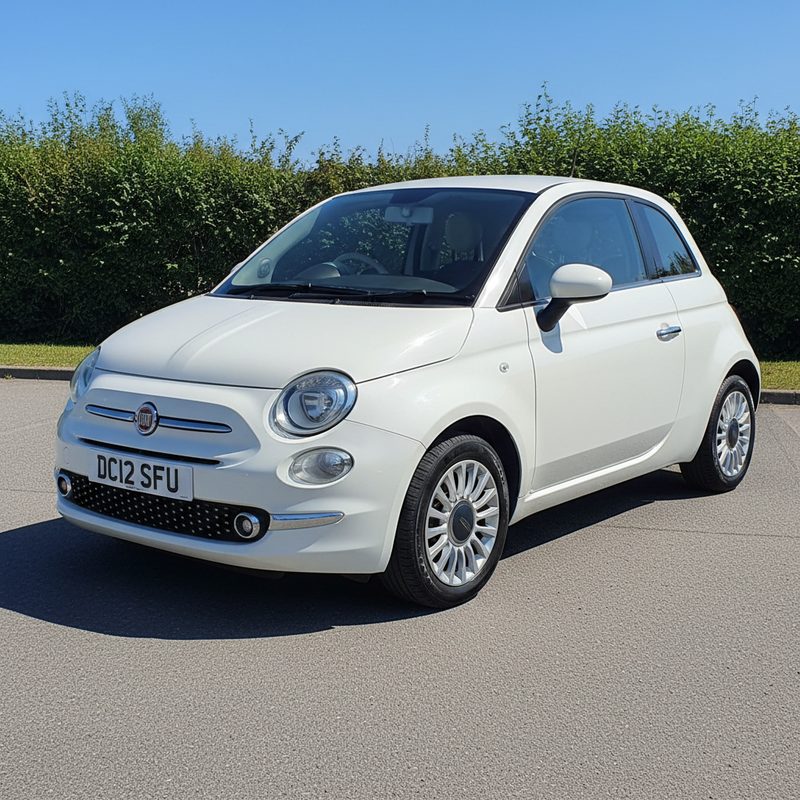
Is This 2018 Fiat 500 Worth What They Are Asking
Uncover the true value of a 2018 Fiat 500 with our comprehensive guide on pricing, negotiation strategies, and essential buyer tips.
Understanding the Fiat 500 Market
When considering the purchase of a used car, especially a popular model like the 2018 Fiat 500, understanding the market dynamics is crucial. The Fiat 500 has carved out a niche for itself as a stylish, compact city car that appeals to a wide demographic, from young professionals to small families. However, prices can vary significantly based on factors such as mileage, condition, and location.
As of late 2023, the fair market price range for a 2018 Fiat 500 typically falls between £8,000 and £12,000. This range can fluctuate based on specific trim levels, optional features, and the overall condition of the vehicle. For instance, a well-maintained Fiat 500 with low mileage and a higher trim level, such as the Lounge or the Sport, may command prices closer to the upper end of this spectrum.
Factors Influencing the Price
To determine if the asking price for a specific Fiat 500 is justified, consider the following factors:
- Mileage: Generally, lower mileage indicates less wear and tear. A Fiat 500 with under 30,000 miles will typically be valued higher than one with over 60,000 miles.
- Condition: Inspect the car for signs of damage, rust, or poor maintenance. A vehicle with a clean history and no accidents will fetch a better price.
- Service History: A full service history can provide peace of mind and justify a higher asking price. Ensure that regular maintenance has been performed.
- Location: Prices can vary by region. Urban areas may see higher prices due to demand, while rural areas might offer better deals.
By gathering this information, you can better assess whether the asking price is fair or inflated.
Specific Leverage Points for Buyers
When negotiating the price of a 2018 Fiat 500, having specific leverage points can significantly enhance your bargaining power. Here are some strategies to consider:
1. Vehicle History Check
Before you even step foot in a dealership or meet a private seller, obtain a vehicle history report. This report can reveal vital information, such as previous accidents, outstanding finance, and service history. If the report shows any red flags, such as multiple owners or a history of accidents, use this information to negotiate a lower price.
2. Market Comparisons
Research similar listings in your area. If you find comparable Fiat 500s at lower prices, use these as negotiation tools. For example, if you find another 2018 Fiat 500 with similar mileage and condition listed at £9,500, and the seller is asking £11,000, you can confidently present this information to justify your offer.
3. Condition Assessment
Conduct a thorough inspection of the car. If you notice any cosmetic issues, such as scratches, dents, or worn tyres, use these as points of negotiation. For instance, if the tyres need replacing, you could estimate the cost of new tyres (around £300-£400 for a full set) and use that as leverage to lower the price.
4. MOT and Service Records
Check the MOT history of the car. If the vehicle has failed its MOT in the past or has a history of recurring issues, this can be a strong negotiating point. A car that has consistently passed its MOT without advisories is more desirable, while one with a troubled history can be a red flag.
Sample Negotiation Dialogue
To give you a clearer idea of how to approach the negotiation process, here’s a sample dialogue between a buyer and a seller:
Buyer: "Hi there, I’m interested in the 2018 Fiat 500 you have listed for £11,000. I’ve done some research and found similar models going for around £9,500. Can we discuss the price?"
Seller: "Well, this car is in excellent condition and has low mileage. I believe the price is fair."
Buyer: "I understand, but I noticed a few scratches on the bumper and the tyres look worn. I’ll need to factor in the cost of repairs. Would you consider lowering the price to £10,000?"
Seller: "I could drop it to £10,500, but that’s my final offer."
Buyer: "I appreciate that, but given the MOT history shows it failed last year and the repairs needed, I think £10,000 is a reasonable offer. Would you be willing to meet me there?"
Seller: "Alright, let’s do £10,000."
This dialogue illustrates how to use research and observations to negotiate effectively. Always remain polite and respectful, but be firm in your stance.
When to Walk Away
Knowing when to walk away is just as important as negotiating. If the seller is unwilling to budge on a price that you know is above market value or if there are significant concerns about the vehicle, it’s time to consider other options. Here are some signs that it might be best to walk away:
1. Unwillingness to Negotiate
If the seller is rigid and refuses to consider any reasonable offers or points you raise, it may indicate that they are not genuinely interested in making a sale. A good seller will be open to discussion.
2. Red Flags in the Vehicle History
If the vehicle history report reveals serious issues, such as a salvage title or multiple accidents, it’s wise to walk away. These factors can lead to future problems and expenses that outweigh the initial savings.
3. Overpriced Compared to Market Value
If your research shows that the asking price is significantly higher than similar models, and the seller is unwilling to adjust, it’s a clear sign to move on. There are plenty of Fiat 500s available, and you don’t want to overpay.
4. Poor Condition
If the car has numerous mechanical issues or signs of neglect, it’s best to walk away. A car that requires extensive repairs can quickly become a money pit.
Common Dealer Tactics to Watch For
When dealing with car dealerships, it’s essential to be aware of common tactics they may use to maximise their profit. Here are some strategies to watch for:
1. High-Pressure Sales Tactics
Dealers may try to rush you into a decision, claiming that the car is in high demand or that the price will increase soon. Take your time to evaluate the car and don’t let pressure dictate your decision.
2. Focusing on Monthly Payments
Some dealers may emphasise monthly payment amounts rather than the overall price of the vehicle. This tactic can obscure the total cost and lead you to pay more in the long run. Always focus on the total price of the car.
3. Add-Ons and Extras
Dealers often try to upsell add-ons, such as extended warranties or paint protection. While some of these may be beneficial, they can significantly increase the overall cost. Be cautious and evaluate whether these extras are necessary.
4. Misleading Comparisons
Dealers might compare their vehicle to a higher-priced model or one with significantly better features to justify their asking price. Always do your own research and compare like-for-like models.
Using MOT History as Negotiation Ammo
The MOT history of a vehicle can be a powerful tool in your negotiation arsenal. Here’s how to leverage it effectively:
1. Review the MOT History
Before negotiating, check the MOT history online. Look for any failures or advisories that could indicate potential issues. If the car has failed its MOT in the past, it’s essential to bring this up during negotiations.
2. Highlight Recurring Issues
If the MOT history shows recurring problems, such as brake or suspension issues, use this information to negotiate a lower price. For example, if the car has had multiple advisories for brakes, you can argue that you’ll need to budget for repairs soon.
3. Use Passed MOTs as Leverage
Conversely, if the car has a clean MOT history with no advisories, this can be used to justify a higher offer. However, always ensure that the seller provides proof of this history.
4. Discuss Future MOT Costs
If the car is due for an MOT soon, use this as a negotiation point. You can argue that you’ll need to factor in potential costs for repairs that may arise from the upcoming MOT.
Conclusion
In conclusion, determining whether a 2018 Fiat 500 is worth the asking price involves thorough research and preparation. By understanding the fair market price, leveraging specific points during negotiation, and being aware of common dealer tactics, you can confidently approach the buying process. Remember to utilise the vehicle history and MOT records to your advantage, as they can provide crucial insights into the car’s condition and value.
Before making any decisions, consider getting a free vehicle check to uncover any hidden issues that could affect your negotiation. Armed with this knowledge, you’ll be in a much stronger position to negotiate a fair price for your Fiat 500, ensuring you drive away with a great deal. Happy car hunting!