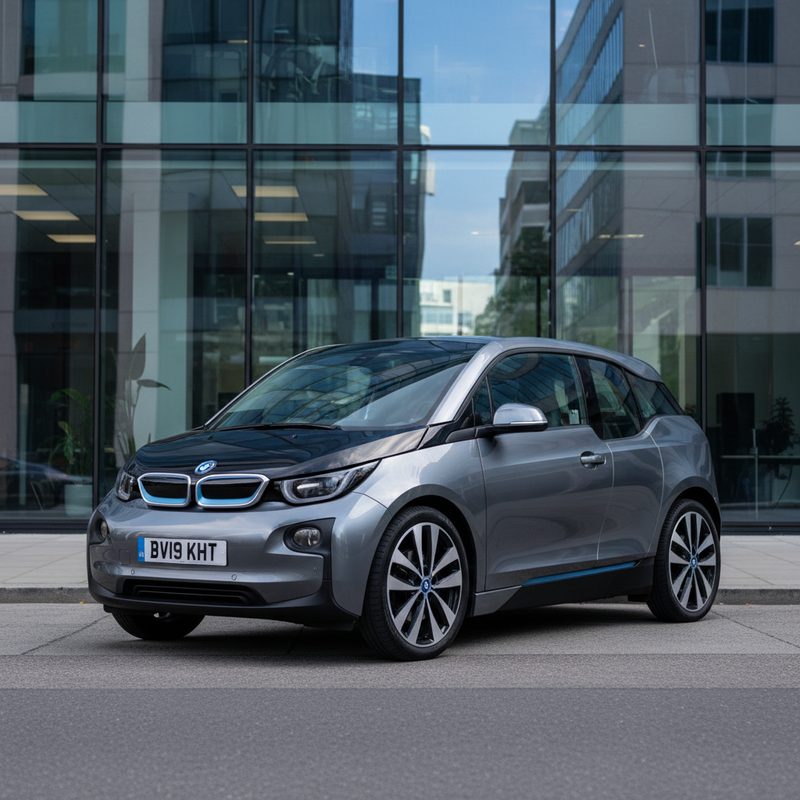
Used BMW i3: Charging Costs Guide
Discover everything you need to know about the charging costs and practicalities of owning a used BMW i3, including real-world range and savings.
The BMW i3 is a compact electric vehicle that has gained popularity for its unique design and efficient performance. When considering a used BMW i3, understanding the charging costs is crucial for budgeting and overall ownership experience. This guide will delve into various aspects of charging, including costs, infrastructure, and common issues, helping you make an informed decision.
Key facts
- The BMW i3 has an MOT pass rate of 89.1%, based on 2,536 DVSA MOT tests analysed by CarBuyerIQ.
- The most common MOT problems include tyres (55.3% of defects), brakes (18%), and lights (9.1%).
- The fail rate for the i3 is 10.9%, significantly better than the national average of 79.1%.
- For cars with under 40,000 miles, the fail rate is 9%, while for those between 40,000 and 80,000 miles, it rises to 12.5%.
- The i3 is ranked 20 out of 386 cars based on MOT pass rates, making it a reliable choice.
Battery Health: What to Check and Expect
Battery health is a critical factor when considering a used BMW i3. The i3 is equipped with a lithium-ion battery, which can degrade over time. When inspecting a used model, check the battery's state of health (SoH). Ideally, you want a battery with at least 80% of its original capacity. This ensures that the vehicle will deliver a satisfactory range and performance.
You can assess battery health using a diagnostic tool or by asking the seller for a recent battery report. Additionally, consider the age of the battery; the i3’s battery warranty typically lasts for eight years or 100,000 miles, which means that if you're looking at a model that is close to or beyond this threshold, you might face higher risks of battery degradation.
If the battery health is poor, it can lead to higher charging costs and reduced range. A degraded battery may also require replacement, which can be a significant expense. Therefore, it’s wise to factor in potential battery replacement costs when budgeting for your used BMW i3.
Real-World Range vs Manufacturer Claims
The BMW i3 has a manufacturer-claimed range of around 160 miles on a full charge for the pure electric version. However, real-world conditions often yield different results. Factors such as driving style, terrain, and weather can significantly impact the actual range.
In practice, many owners report achieving between 100 to 130 miles on a single charge, especially in colder weather or during aggressive driving. If you frequently drive long distances, consider the range extender version of the i3, which adds a small petrol engine to help alleviate range anxiety. This version can provide an additional 70 miles, making it a more versatile option for longer journeys.
When evaluating a used i3, check the vehicle's service history for any battery management system updates, as these can improve efficiency and range. Additionally, consider how you plan to use the car. If your daily commute is within the i3’s electric range, the pure electric version may suit you perfectly. However, if you often travel further afield, the range extender could be a better fit.
Charging Costs and Infrastructure
Charging costs for the BMW i3 can vary significantly based on your electricity tariff and charging habits. On average, charging an i3 from empty to full at home costs around £5 to £7, depending on your energy provider and the time of day you charge. If you charge during off-peak hours, you may benefit from lower rates, further reducing your costs.
Public charging infrastructure is also essential to consider. The UK has a growing network of charging stations, with many offering rapid charging options. Charging at a public station can cost anywhere from £0.20 to £0.40 per kWh, depending on the provider. Rapid chargers can charge the i3 to 80% in about 30 minutes, making them a convenient option for longer trips.
It's worth noting that some public charging stations may offer free charging, particularly in supermarkets or shopping centres. Always check the charging costs before plugging in, as fees can vary widely. For regular users, investing in a home charging unit can be beneficial, as it allows for convenient overnight charging and can save money in the long run.
Common Problems Specific to This EV/Hybrid
While the BMW i3 is generally a reliable vehicle, there are some common issues to be aware of when considering a used model. One of the most prevalent problems involves the battery management system, which can affect charging efficiency and range. If the battery management system is not functioning correctly, it can lead to unexpected range drops and longer charging times.
Another common issue is related to the vehicle's tyres. The i3 is known for its unique tyre specifications, which can be more expensive to replace than standard tyres. As mentioned earlier, tyres account for 55.3% of defects and advisories during MOT tests. Therefore, ensure that the tyres are in good condition and check for any uneven wear, which could indicate alignment issues.
Brakes are also a concern, making up 18% of defects and advisories. Regular maintenance is essential to ensure that the brake system is functioning correctly. If the vehicle has been used primarily for short trips, the brakes may not have been adequately exercised, leading to potential issues.
Lastly, keep an eye on the lights and electrical systems, which account for 9.1% of defects. Ensure that all lights are functioning properly and check for any dashboard warning lights that may indicate underlying issues. For a thorough understanding of potential problems, refer to our guide on Used BMW i3: Common Problems Before Buying.
Running Cost Savings vs Petrol/Diesel
One of the primary advantages of owning a BMW i3 is the potential savings on running costs compared to traditional petrol or diesel vehicles. The i3 benefits from lower fuel costs, as electricity is generally cheaper than petrol or diesel. On average, electric vehicles can cost around £2 to £3 per 100 miles, compared to £10 to £15 for petrol or diesel cars.
In addition to fuel savings, electric vehicles like the i3 are often exempt from road tax, which can further reduce ownership costs. The i3 falls into a zero-emission category, meaning you won't have to pay any road tax, providing significant savings over time. Furthermore, electric vehicles are generally cheaper to maintain, as they have fewer moving parts and do not require oil changes.
Insurance costs for the i3 can vary, but they are often competitive compared to similar petrol vehicles. The i3 typically falls into insurance groups that are reasonable for a vehicle of its class. To get a better idea of insurance costs, check the Thatcham insurance groups.
When considering the overall running costs, it’s essential to factor in potential savings from government incentives for electric vehicles, such as grants for home charging installations. These incentives can help offset initial costs and improve the overall value of owning an electric vehicle.
Dave's Verdict: Is It Worth Going Electric?
The BMW i3 is a compelling choice for those considering a switch to electric. With its unique design, impressive technology, and low running costs, it offers a practical solution for urban driving and short commutes. The charging costs are manageable, especially if you can charge at home during off-peak hours.
However, potential buyers should be aware of battery health and common issues associated with the i3. Conducting a thorough inspection and obtaining a CarBuyerIQ Vehicle Check can provide valuable insights into the vehicle's history, including any outstanding finance or previous accidents. This check is essential for ensuring that you are making a sound investment.
In conclusion, if you're looking for an eco-friendly vehicle that combines style with practicality, the BMW i3 is worth considering. Just be sure to do your homework, check the battery health, and evaluate your charging options. With the right approach, owning a used BMW i3 can be a rewarding experience that saves you money in the long run.
For more detailed insights, check out our guides on Used BMW i3: Is It Worth Buying Used and Used BMW i3: Battery Degradation What To Expect.