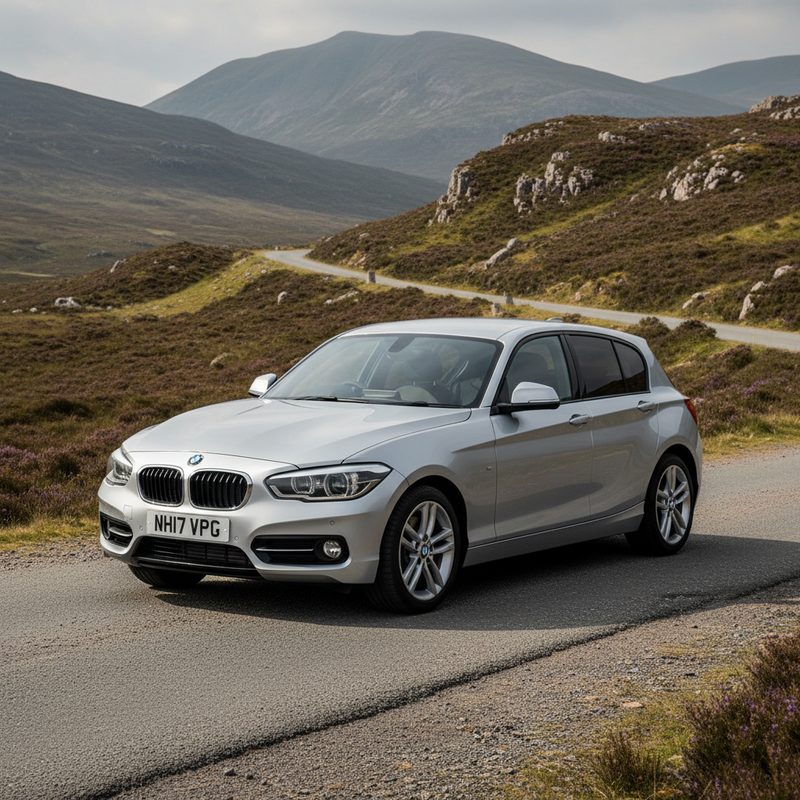
BMW 1 Series Running Costs UK — Full Breakdown
Explore the comprehensive running costs of the BMW 1 Series, from insurance to servicing, and learn how to save on ownership expenses.
Understanding the BMW 1 Series
The BMW 1 Series has long been a popular choice for those seeking a premium hatchback that combines sporty performance with everyday practicality. Whether you’re a young professional commuting to work or a family looking for a reliable vehicle, the 1 Series offers a blend of style and functionality. However, before you dive into ownership, it’s crucial to understand the running costs associated with this vehicle. In this guide, we’ll break down everything you need to know about the annual costs of owning a BMW 1 Series in the UK.
Total Annual Cost Estimate Breakdown
Let’s consider a typical scenario: you’re a UK driver covering around 10,000 miles a year in a BMW 1 Series. Based on average costs, we can estimate the total annual running costs, which include insurance, fuel, servicing, and maintenance.
- Insurance: Depending on your age and driving history, insurance can vary significantly. For a 30-year-old driver, the average annual premium might be around £800.
- Fuel: With an average fuel economy of about 45 MPG (real-world figures often differ from manufacturer claims), and current petrol prices around £1.50 per litre, you’d spend approximately £1,200 on fuel annually.
- Servicing: Regular servicing costs can range from £200 to £400 per year, depending on whether you go for a minor or major service.
- Maintenance and Repairs: Setting aside around £300 for unexpected repairs and maintenance is a good idea.
- Road Tax: Depending on the engine size, road tax can be around £150 per year.
Adding these costs together, you’re looking at an estimated total annual cost of around £2,100 to £2,400. This figure can fluctuate based on your driving habits, the specific model of the 1 Series, and how well you maintain the vehicle.
Insurance Costs
Insurance is often one of the most significant running costs for any car owner. The BMW 1 Series typically falls into insurance groups ranging from 20 to 35, depending on the model and engine size. For example, a 116i might be in group 20, while a 125i could be in group 30.
Annual Costs by Age Bracket
- Under 25: Expect to pay upwards of £1,200 annually due to higher premiums for younger drivers.
- 25-35: Average premiums are around £800-£1,000.
- 35-50: You might find rates dropping to £600-£800.
- Over 50: Typically, the lowest premiums, averaging around £500-£700.
Tips to Reduce Premiums
- Increase your excess: Opting for a higher voluntary excess can lower your premium.
- No-claims discount: Building up a no-claims discount over the years can significantly reduce your costs.
- Compare quotes: Use comparison websites to find the best deals tailored to your specific needs.
- Consider telematics insurance: Installing a black box can help lower premiums for younger drivers by monitoring driving habits.
Fuel Costs
Fuel costs can be a significant part of your running expenses. The BMW 1 Series, particularly the diesel models, are known for their efficiency. However, real-world fuel economy often falls short of manufacturer claims.
Real-World MPG vs Manufacturer Claims
While the manufacturer may claim up to 60 MPG for a diesel variant, real-world driving conditions often yield around 45 MPG. For petrol models, expect around 35-40 MPG in everyday driving.
Annual Spend at Current UK Fuel Prices
At £1.50 per litre and assuming you drive 10,000 miles per year:
- Diesel: With 45 MPG, you’d need approximately 222 gallons (1,000 litres), costing around £1,500.
- Petrol: With 35 MPG, you’d need about 285 gallons (1,300 litres), costing around £1,950.
Driving Style Impact
Your driving style can significantly impact fuel consumption. Aggressive acceleration, heavy braking, and excessive idling can reduce your MPG. Adopting a smoother driving style can lead to savings on fuel costs.
Servicing Costs
Regular servicing is essential to keep your BMW 1 Series running smoothly. The service schedule typically includes minor and major services.
Full Schedule
- Minor Service: Usually every 12 months or 12,000 miles, costing between £200 and £300. This includes oil changes, filter replacements, and basic checks.
- Major Service: Every 24 months or 24,000 miles, costing between £400 and £600. This covers more extensive checks, including spark plugs, brake fluid changes, and more.
Dealer vs Independent Garage Costs
Going to a BMW dealer for servicing can be more expensive, but it ensures that your car receives the manufacturer’s recommended care. Independent garages can offer significant savings, often charging 20-30% less for similar services.
DIY Savings
If you’re handy with tools, performing minor services yourself can save you money. An oil change kit can cost around £50, and doing it yourself can save you £100 or more.
Common Repair Costs
Every car has its share of common repairs, and the BMW 1 Series is no exception. Here are some typical costs associated with common repairs:
- Brakes: Replacing brake pads can cost around £150-£300, depending on whether you choose OEM or aftermarket parts. Expect to replace them every 30,000 miles.
- Tyres: A decent set of tyres can range from £300 to £600, depending on the brand and size. You may need to replace them every 25,000 to 40,000 miles.
- Suspension: Replacing suspension components can cost between £200 and £800, depending on the parts needed. This often occurs around 60,000 miles.
- Clutch: A clutch replacement can set you back £500 to £1,000, typically needed around 80,000 miles.
- Timing Belt/Chain: If your model has a timing belt, replacement costs can be around £400 to £600, usually due at 60,000 to 100,000 miles.
Wear Items and Consumables
As with any vehicle, there are certain wear items and consumables you’ll need to replace regularly:
- Oil and Oil Filters: Expect to change these every 10,000 miles, costing around £50 each time.
- Air Filters: Usually replaced every 20,000 miles, costing about £30.
- Wiper Blades: These should be replaced annually, costing around £20-£30.
- Brake Fluid: This should be changed every two years, costing around £50.
Comparing Costs to Rivals
When considering the BMW 1 Series, it’s essential to compare its running costs with rival vehicles in the same class. Let’s look at three competitors:
- Audi A3: Similar insurance and fuel costs, but servicing can be slightly higher, averaging £500 for a major service.
- Volkswagen Golf: Generally lower insurance premiums, around £700 for a 30-year-old driver, but servicing costs are similar to the BMW.
- Mercedes A-Class: Higher initial purchase price and insurance costs, averaging £900, but servicing is comparable to the BMW.
Overall, while the BMW 1 Series may have slightly higher running costs than some rivals, its performance and luxury feel often justify the expense for many drivers.
Dave's Money-Saving Tips
Owning a BMW 1 Series doesn’t have to break the bank. Here are some actionable tips to help you save on running costs:
- Shop Around for Insurance: Don’t settle for the first quote. Use comparison sites to find the best deals tailored to your profile.
- Join a Car Club: If you don’t need to drive every day, consider joining a car club. This can save you on insurance and maintenance costs.
- Keep Up with Maintenance: Regular servicing can prevent costly repairs down the line. Stick to the service schedule to keep your car in top shape.
- Use Fuel Apps: Download apps that help you find the cheapest fuel prices in your area. This can lead to significant savings over time.
- Drive Efficiently: Adopt a smoother driving style to improve fuel economy. Avoiding rapid acceleration and heavy braking can help you save on fuel.
Conclusion
Understanding the running costs of a BMW 1 Series is crucial for any potential owner. With an estimated annual cost of around £2,100 to £2,400, it’s essential to budget for insurance, fuel, servicing, and maintenance. By being proactive about your vehicle’s care and exploring ways to reduce costs, you can enjoy the luxury and performance of the BMW 1 Series without breaking the bank.
Before making a purchase, consider checking any BMW 1 Series with Dave's free vehicle intelligence report to ensure you’re making a smart investment. Happy driving!
Check BMW 1 Series, instantly with Dave's free vehicle intelligence report.
Check any BMW 1 Series with Dave's free vehicle intelligence report