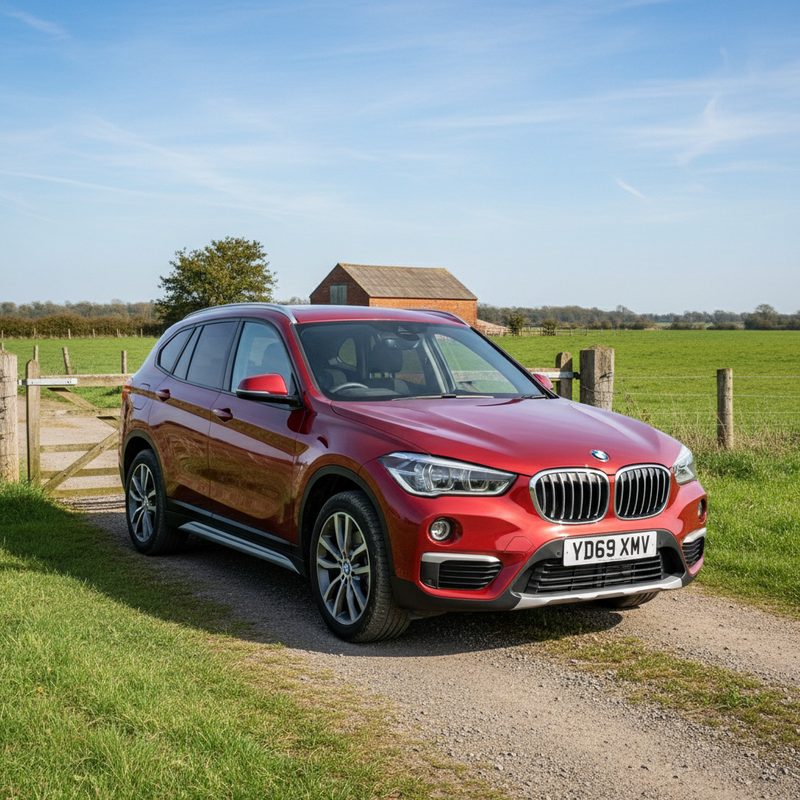
How Much Does a BMW X1 Cost to Run Per Year
Discover the comprehensive annual running costs of a BMW X1, including insurance, fuel, servicing, and maintenance, to help you budget effectively.
Understanding the BMW X1
The BMW X1 is a compact SUV that has garnered attention for its blend of practicality, performance, and premium features. As a used car, it appeals to a wide range of buyers, from families needing space to professionals seeking a stylish vehicle. However, before diving into ownership, it’s essential to understand the running costs associated with this model. This guide will break down the total annual cost estimate, insurance, fuel, servicing, common repairs, and how it compares to rival vehicles in the same class.
Total Annual Cost Estimate Breakdown
For a typical UK driver covering around 10,000 miles a year, the annual running costs of a BMW X1 can be broken down into several key components: insurance, fuel, servicing, and repairs. Let’s consider a realistic scenario for a driver who opts for a mid-range model, such as the BMW X1 sDrive18d.
Insurance Costs
Insurance for the BMW X1 varies significantly based on factors such as the driver’s age, location, and driving history. For a 30-year-old driver, the average annual premium for a BMW X1 might range from £600 to £800. However, younger drivers, particularly those under 25, could see premiums soar to £1,200 or more due to the higher risk associated with their age group.
Fuel Costs
The BMW X1 sDrive18d boasts a manufacturer-claimed fuel economy of around 60 miles per gallon (MPG). However, real-world driving conditions often yield lower figures. Many drivers report achieving around 50 MPG in mixed driving scenarios. At current UK fuel prices, averaging around £1.50 per litre, a driver covering 10,000 miles annually would spend approximately £1,200 on fuel, assuming a fuel price of £1.50 per litre and a consumption rate of 50 MPG.
Servicing Costs
Servicing is another significant factor in the total cost of ownership. A minor service for the BMW X1 typically costs around £200 at a dealership, while a major service can reach £400. Many owners opt for independent garages, where prices can be about 20% lower. Over a year, budgeting around £300 for servicing is reasonable, assuming one minor service and one major service every two years.
Repairs and Maintenance
Common repairs for the BMW X1 include brake pad replacements, which can cost around £150 per axle, and tyre replacements, averaging £100 each. Other potential costs include suspension repairs, clutch replacements, and timing belt changes, which can range from £300 to £800 depending on the specific issue and mileage. Setting aside £500 annually for unexpected repairs is prudent.
Total Estimated Annual Cost
When combining these figures, the total estimated annual running cost for a BMW X1 sDrive18d can be summarised as follows:
- Insurance: £600 - £800
- Fuel: £1,200
- Servicing: £300
- Repairs: £500
This brings the total annual cost to approximately £2,600 - £2,800. This estimate can vary based on individual circumstances, driving habits, and the specific model year of the X1.
Insurance Breakdown
Insurance is often one of the largest expenses for car owners, and the BMW X1 is no exception. The insurance group for the BMW X1 can range from 22 to 36, depending on the engine size and trim level. For example, the sDrive18d is generally in the lower end of this range, making it more affordable to insure compared to higher-performance models.
Annual Costs by Age Bracket
- Under 25: £1,200 - £1,800
- 25-35: £600 - £800
- 35-50: £500 - £700
- Over 50: £400 - £600
Tips to Reduce Premiums
- Shop Around: Use comparison websites to find the best deals, as prices can vary significantly between providers.
- Increase Excess: Opting for a higher voluntary excess can lower your premium, but ensure you can afford the excess in case of a claim.
- Telematics Insurance: Consider a black box policy, which can reward safe driving with lower premiums.
- Secure Parking: If you have off-street parking, inform your insurer, as this can reduce your premium.
- Limit Modifications: Keep your BMW X1 as close to standard as possible, as modifications can increase insurance costs.
Fuel Costs Analysis
Fuel costs are a significant part of running any vehicle, and the BMW X1 is no different. While the manufacturer claims impressive fuel efficiency, real-world driving often tells a different story.
Real-World MPG vs Manufacturer Claims
As mentioned, while the BMW X1 sDrive18d is rated for 60 MPG, many drivers report achieving around 50 MPG under typical driving conditions. This discrepancy can be attributed to various factors, including driving style, traffic conditions, and vehicle load.
Annual Spend at Current UK Fuel Prices
With fuel prices currently averaging £1.50 per litre, and considering the real-world fuel economy of 50 MPG, the annual fuel expenditure for a driver covering 10,000 miles would be calculated as follows:
- Total gallons needed: 10,000 miles / 50 MPG = 200 gallons
- Litres per gallon: 1 gallon = 4.54 litres, so 200 gallons = 908 litres
- Cost of fuel: 908 litres x £1.50 = £1,362
Thus, a more realistic annual fuel cost for a BMW X1 owner would be approximately £1,362.
Driving Style Impact
Driving style plays a crucial role in fuel consumption. Aggressive driving, frequent acceleration, and heavy braking can significantly reduce fuel efficiency. Conversely, adopting a smooth driving style, maintaining steady speeds, and ensuring regular vehicle maintenance can help improve fuel economy.
Servicing Costs
Servicing is essential for maintaining the performance and reliability of your BMW X1. Understanding the servicing schedule and associated costs can help you budget effectively.
Full Service Schedule
The BMW X1 typically requires a minor service every 12 months or 10,000 miles and a major service every two years or 20,000 miles. The minor service generally includes an oil change, oil filter replacement, and a general inspection, while the major service adds air filter and spark plug replacements, along with a more thorough inspection of the vehicle.
Dealer vs Independent Garage Costs
- Minor Service at Dealer: £200
- Major Service at Dealer: £400
- Minor Service at Independent Garage: £160
- Major Service at Independent Garage: £320
By opting for an independent garage, you could save around 20% on servicing costs. Over time, these savings can add up, making it a worthwhile consideration for budget-conscious owners.
DIY Savings
For those with mechanical skills, performing minor services at home can lead to significant savings. An oil change kit, including oil and filters, can cost around £50, and completing the service yourself could save you £150 or more annually.
Common Repair Costs
Owning a BMW X1 comes with the potential for repairs, and understanding these costs can help you prepare for unexpected expenses.
Brake Costs
Brake pads typically need replacing every 30,000 to 40,000 miles, costing around £150 per axle. If both front and rear pads need replacing, you could be looking at £300.
Tyre Costs
Tyres for the BMW X1 can cost approximately £100 each, with a full set costing around £400. Depending on driving habits and road conditions, you may need to replace tyres every 30,000 to 50,000 miles.
Suspension Repairs
Suspension issues can arise, particularly in older models or those driven on rough roads. Repair costs can range from £300 to £600, depending on the extent of the damage and whether parts need replacing.
Clutch Replacement
Clutch replacements can be costly, ranging from £500 to £1,000, depending on the model and labour costs. This is typically required every 80,000 to 100,000 miles.
Timing Belt/Chain Costs
While the BMW X1 uses a timing chain that typically lasts the life of the engine, if it does require replacement, costs can range from £300 to £800.
Wear Items and Consumables
Regular maintenance involves replacing various wear items and consumables. Understanding these costs can help you budget effectively for your BMW X1.
Common Consumables
- Oil and Filters: Expect to replace the oil filter and engine oil during each minor service, costing around £50.
- Air Filters: These should be replaced every 20,000 miles, costing about £30.
- Wiper Blades: Replacing wiper blades can cost around £20 for a pair, typically needed every 12 months.
- Brake Pads: As mentioned, brake pads will need replacing every 30,000 to 40,000 miles, costing around £150 per axle.
Annual Consumables Cost Estimate
If you consider the costs of these consumables, budgeting around £300 annually for wear items and consumables is reasonable. This includes oil changes, air filters, and wiper blades.
Comparison with Rivals
When considering the BMW X1, it’s essential to compare its running costs with rival vehicles in the compact SUV segment. Let’s look at three competitors: the Audi Q3, Volvo XC40, and Mercedes-Benz GLA.
Audi Q3
The Audi Q3 offers similar performance and luxury but tends to have slightly higher servicing costs, with minor services averaging around £250 and major services around £450. Insurance costs are comparable, but fuel efficiency is slightly lower, averaging around 45 MPG, leading to higher fuel costs.
Volvo XC40
The Volvo XC40 is known for its safety features and practicality. Insurance costs are similar to the BMW X1, but servicing can be more expensive, with minor services costing £220 and major services reaching £420. Fuel economy is competitive, averaging around 50 MPG.
Mercedes-Benz GLA
The Mercedes-Benz GLA offers a premium feel but comes with higher running costs. Insurance premiums are higher, averaging £700 to £900, and servicing costs are similar to the Audi Q3. Fuel efficiency is comparable, but overall running costs tend to be higher due to more expensive parts and servicing.
Dave's Money-Saving Tips
Owning a BMW X1 doesn’t have to break the bank. Here are some actionable tips to help reduce running costs:
- Join a Car Club: Many car clubs offer discounts on servicing and parts, which can save you money over time.
- Use Fuel Apps: Apps like PetrolPrices can help you find the cheapest fuel in your area, potentially saving you £100 or more annually.
- Regular Maintenance: Keeping up with regular maintenance can prevent costly repairs down the line. Set reminders for servicing and inspections.
- Shop Around for Insurance: Don’t settle for the first insurance quote. Use comparison sites to find the best deal and save up to £200 annually.
- Consider Tyre Pressure: Maintaining the correct tyre pressure can improve fuel efficiency, potentially saving you £50 a year on fuel costs.
Conclusion
In conclusion, the BMW X1 is a versatile and stylish compact SUV that can be a great choice for many drivers. However, understanding the running costs is crucial for making an informed decision. With an estimated annual cost of around £2,600 to £2,800, including insurance, fuel, servicing, and repairs, it’s vital to budget accordingly. By considering the tips outlined in this guide, you can effectively manage and potentially reduce your running costs. Before purchasing, always check any BMW X1 with Dave's free vehicle intelligence report to ensure you’re making a smart investment.
Check BMW X1, instantly with Dave's free vehicle intelligence report.
Check any BMW X1 with Dave's free vehicle intelligence report