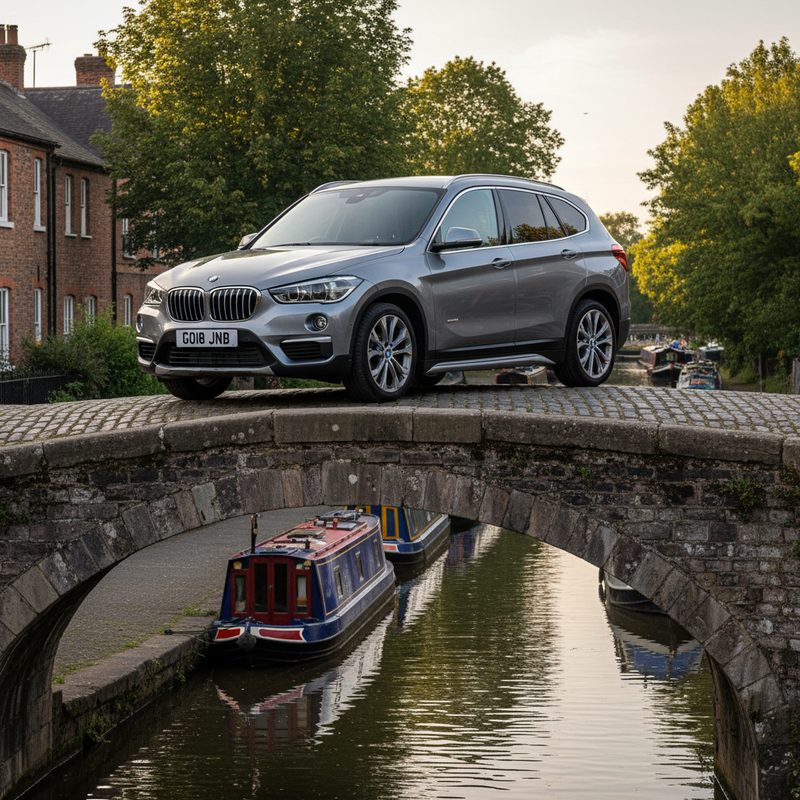
BMW X1 at 80,000 Miles — Compact SUV Mileage Check
This guide covers everything you need to know about purchasing a BMW X1 at 80,000 miles, including what to expect, common issues, and pricing advice.
Understanding the BMW X1 at 80,000 Miles
When considering a used BMW X1 with 80,000 miles on the clock, it’s essential to understand what this mileage means for the vehicle's overall condition and performance. The BMW X1 is known for its blend of luxury, practicality, and driving dynamics, making it a popular choice in the compact SUV segment. However, like any vehicle, the X1 will experience wear and tear as it accumulates mileage. At 80,000 miles, you can expect a mix of performance and potential maintenance issues that could arise.
The BMW X1 is built to last, but at this mileage, it’s crucial to assess the service history and how well the previous owner maintained the vehicle. Regular servicing is vital for any BMW, and a well-documented service history can indicate that the car has been cared for properly. Look for evidence of oil changes, brake replacements, and other routine maintenance tasks. A neglected vehicle can lead to costly repairs down the line.
What to Expect from the BMW X1 at This Mileage
At 80,000 miles, the BMW X1 should still provide a solid driving experience, but you may notice some differences compared to a lower-mileage model. The engine should still perform well, especially if it’s a petrol variant, as these engines tend to be more resilient than their diesel counterparts. However, you should be prepared for some common issues that can arise at this mileage.
One of the first things to check is the engine oil. BMW recommends changing the oil every 10,000 to 15,000 miles, so if the previous owner has adhered to this schedule, the engine should be in good shape. However, if the oil hasn’t been changed regularly, you might find sludge buildup, which can lead to engine problems.
Another aspect to consider is the transmission. The X1 typically comes with an automatic transmission, which can be prone to wear and tear. At 80,000 miles, it’s wise to check for any signs of slipping or rough shifting. If the transmission fluid hasn’t been changed, it could lead to more significant issues down the line.
Components That Typically Need Attention at This Mileage
As the mileage creeps up, certain components of the BMW X1 will require more attention. Here’s a breakdown of the parts that are likely to need servicing or replacement at around 80,000 miles:
-
Brakes: The brake pads and discs are wear items that should be inspected closely. Depending on driving style and conditions, you might need to replace the brake pads at this mileage. If the previous owner has not replaced them recently, you should factor in the cost of new pads and possibly discs into your budget.
-
Suspension: The suspension components, including shock absorbers and bushings, can wear out over time. Listen for any knocking noises when driving over bumps, which could indicate that the suspension needs attention. Replacing worn suspension parts can be costly, so it’s wise to check this before purchasing.
-
Tyres: Tyres are another critical component to inspect. At 80,000 miles, the tread depth should be checked, and you should also look for uneven wear patterns, which could indicate alignment issues. If the tyres are worn out, you will need to budget for replacements.
-
Cooling System: The cooling system, including the radiator and water pump, should be inspected for leaks or signs of wear. If the coolant hasn’t been changed regularly, it could lead to overheating issues, which can be detrimental to the engine.
-
Battery: Depending on the age of the battery, it may need replacing soon. A battery typically lasts around 4-5 years, so if the X1 is approaching this age, it’s worth checking the battery’s condition.
-
Electronics: BMWs are known for their advanced electronics, which can sometimes be finicky. At 80,000 miles, check that all electronic features, such as infotainment systems and sensors, are functioning correctly. Repairs can be expensive, so it’s best to ensure everything is in working order before you buy.
Is the Price Usually Right for This Mileage? What Discount to Expect
When it comes to pricing, a BMW X1 at 80,000 miles can vary significantly based on its condition, service history, and market demand. Generally, you can expect to pay between £10,000 and £15,000 for a well-maintained model at this mileage. However, if the vehicle shows signs of neglect or has a poor service history, you should negotiate for a lower price.
Discounts can be expected based on the condition of the vehicle and any repairs that may be needed. If you identify issues such as worn brakes or suspension components, you could negotiate a discount of £500 to £1,000 off the asking price, depending on the severity of the problems. It’s essential to do your research and compare prices for similar models in your area to ensure you’re getting a fair deal.
Red Flags in the MOT History at This Mileage
The MOT history is a crucial document when considering a used BMW X1. At 80,000 miles, you should pay particular attention to any recurring issues that may indicate underlying problems. Here are some red flags to look for:
-
Frequent Failures: If the vehicle has a history of failing its MOT, especially for serious issues like emissions or structural integrity, it’s a significant red flag. This could indicate that the previous owner did not maintain the car properly.
-
Advisories: While advisories are not failures, they can indicate potential future problems. Look for repeated advisories on the same components, such as brakes or suspension, as this could suggest that they are nearing the end of their lifespan.
-
Mileage Discrepancies: Check for any inconsistencies in the mileage recorded during previous MOT tests. If the mileage appears to jump significantly from one year to the next, it could indicate that the odometer has been tampered with.
-
Service History: A lack of service history can be a red flag. If the MOT history shows that the vehicle has not been regularly serviced, it could lead to potential issues down the line. Always ask for a full service history to ensure the car has been well cared for.
-
Rust and Corrosion: Check the MOT history for any mentions of rust or corrosion. As vehicles age, they can develop rust, especially in areas like the wheel arches and undercarriage. If the MOT history shows advisories for rust, it’s worth inspecting the vehicle thoroughly.
Dave's Verdict — Worth the Risk or Walk Away?
When considering a BMW X1 at 80,000 miles, it’s essential to weigh the pros and cons. On one hand, the X1 is a well-built vehicle that offers a premium driving experience, practicality, and a strong reputation for reliability. If you find a model with a solid service history and no major issues, it can be a worthwhile investment.
However, if the vehicle shows signs of neglect, has a poor MOT history, or requires significant repairs, it may be best to walk away. The potential costs of repairs can quickly add up, negating any savings you might have made on the purchase price.
Before making a decision, consider getting a comprehensive inspection done by a trusted mechanic. This can help identify any hidden issues that may not be immediately apparent. Additionally, check the vehicle’s mileage history with a free report to ensure there are no discrepancies.
In conclusion, a BMW X1 at 80,000 miles can be a great buy if you do your homework. Pay attention to the vehicle’s condition, service history, and MOT records. With careful consideration, you can find a reliable compact SUV that meets your needs without breaking the bank. Always remember, a well-maintained car can offer years of enjoyable driving, while a neglected one can lead to headaches and unexpected costs. Make the right choice, and happy car hunting!
Check BMW X1, instantly with Dave's free vehicle intelligence report.
Check any BMW X1's mileage history with Dave's free report