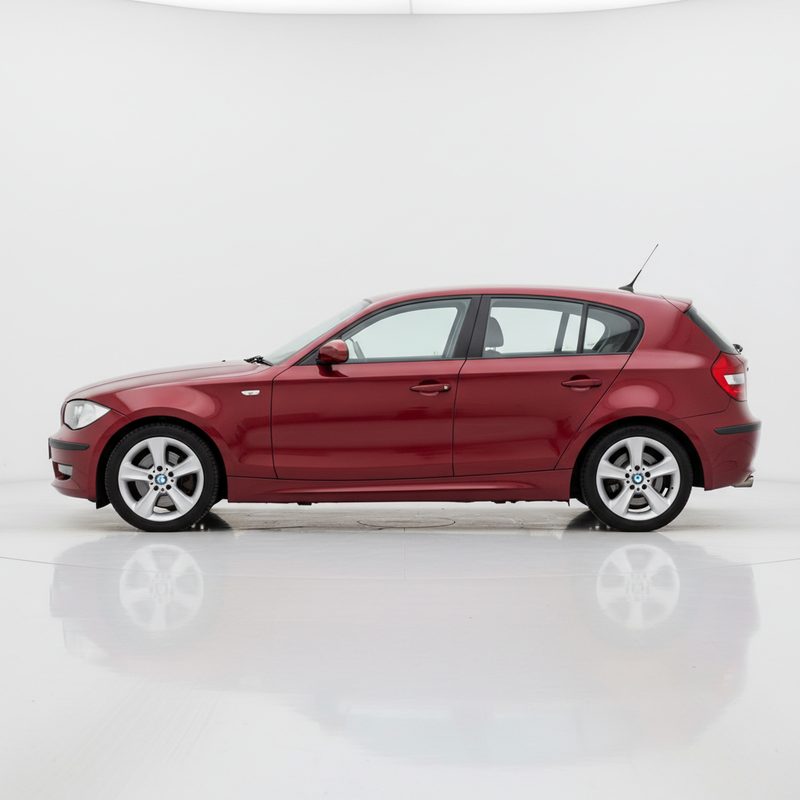
BMW 1 Series Depreciation — Best Year to Buy Used for Value
Explore the depreciation trends of the BMW 1 Series, find the best year to buy for value, and learn how to minimise depreciation when purchasing.
Understanding Depreciation in the BMW 1 Series
When it comes to buying a used car, understanding depreciation is crucial. It’s the silent thief that can rob you of your investment if you're not careful. The BMW 1 Series, a popular choice among hatchback enthusiasts, has its own unique depreciation curve that every potential buyer should be aware of.
So, what exactly does the depreciation curve look like for the BMW 1 Series? Generally speaking, new cars lose around 15-20% of their value in the first year alone. For the BMW 1 Series, this trend holds true, with the car typically losing about 20% of its value in the first year. After that, the depreciation rate slows down, averaging around 10-15% per year for the next few years.
For example, if you purchase a brand-new BMW 1 Series for £30,000, you might find it valued at around £24,000 after one year. By the end of the third year, it could be worth approximately £18,000, and by year five, you might be looking at a value of around £14,000. This gives you a clear picture of how quickly the value drops initially, but also how it stabilises over time.
Sweet Spot Age — Best Year to Buy for Value
Now that we’ve established the depreciation curve, let’s talk about the sweet spot age for the BMW 1 Series. The best time to buy a used BMW 1 Series is typically between three to five years old. Why is this the case? Well, after three years, the car has already taken the brunt of its initial depreciation, making it a more financially savvy choice.
For instance, a 2018 BMW 1 Series that originally sold for £30,000 might now be available for around £18,000. This represents a significant saving while still offering a relatively new vehicle. Moreover, cars in this age bracket often come with a good amount of warranty left, which can provide peace of mind for buyers.
Additionally, by the time you reach the five-year mark, the car’s value has stabilised, and you can often find well-maintained examples with lower mileage. This is particularly important for the BMW 1 Series, as many owners tend to care for their vehicles, ensuring they are in good condition when it comes time to sell.
Which Variants/Specs Hold Value Best
When it comes to the BMW 1 Series, not all variants are created equal in terms of resale value. Typically, the more desirable models tend to hold their value better. For instance, the BMW 1 Series M Sport models are particularly sought after due to their sporty aesthetics and enhanced performance features.
In terms of engine specifications, the 118i and 120d variants are popular choices. The 120d, with its diesel engine, offers a great balance of performance and fuel economy, making it a favourite among buyers looking for a practical yet sporty option. This model tends to retain its value better than the entry-level 114i, which, while cheaper, is less desirable in the used market.
Moreover, options such as the M Sport package, navigation systems, and premium sound systems can also enhance resale value. Buyers are often willing to pay a premium for these features, so if you’re considering a purchase, look for models that come equipped with these desirable extras.
Factors That Affect This Model's Resale Value
Several factors can influence the resale value of a BMW 1 Series. First and foremost, mileage plays a significant role. A well-maintained vehicle with lower mileage will always fetch a higher price than a similar model with high mileage. Generally, a car with under 60,000 miles is considered desirable, while anything over 80,000 miles may start to see a significant drop in value.
Another crucial factor is service history. A full service history, particularly from a BMW dealership, can significantly boost a car's resale value. Buyers are more inclined to purchase a vehicle that has been regularly serviced and maintained, as it indicates that the car has been cared for properly.
Condition is also paramount. A car that has been kept in pristine condition, free from dents, scratches, and interior wear, will command a higher price. Additionally, the colour of the car can impact its value; neutral colours like black, white, and grey tend to be more popular and therefore hold their value better than more vibrant shades.
Lastly, market demand can fluctuate based on trends. For example, as electric and hybrid vehicles gain popularity, the demand for petrol and diesel cars may decline, affecting their resale values. Keeping an eye on market trends can help you make an informed decision about when to buy or sell.
How to Minimise Depreciation When You Buy
Minimising depreciation when purchasing a used BMW 1 Series is all about making smart choices. First, consider buying a car that is already a few years old, as discussed earlier. This way, you avoid the steepest part of the depreciation curve.
Next, look for models that are in high demand. As mentioned, M Sport variants and those with desirable features tend to hold their value better. Additionally, consider the colour and condition of the vehicle; opting for a well-maintained model in a popular colour can make a significant difference in resale value.
Another tip is to negotiate wisely. Research the market value of the specific model you’re interested in and use that information to your advantage during negotiations. If you can secure a good deal, you’ll have a better chance of minimising depreciation.
Finally, consider extending the warranty or purchasing an aftermarket warranty. This can provide peace of mind and potentially increase the car’s resale value, as buyers are often willing to pay more for a vehicle that comes with a warranty.
Dave's Recommendation on Timing Your Purchase
Timing your purchase can be just as important as the model you choose. The best time to buy a used BMW 1 Series is typically at the end of the month or the end of the year. Dealerships often have sales targets to meet, and they may be more willing to negotiate on price during these times.
Additionally, consider the season. The winter months can be a great time to buy, as demand for cars tends to dip during this period. You might find better deals and less competition from other buyers.
If you’re looking for the best value, aim for a model that’s around three to five years old, as this is when you’ll find the best balance between price and condition. Keep an eye on the market and be ready to act when you see a good deal.
Conclusion
In conclusion, understanding the depreciation of the BMW 1 Series is essential for making a smart used car purchase. By knowing the depreciation curve, identifying the sweet spot age, and recognising which variants hold their value best, you can make an informed decision that will save you money in the long run.
Remember to consider factors that affect resale value, such as mileage, service history, and condition, and take steps to minimise depreciation when you buy. Timing your purchase can also play a significant role in getting the best deal.
So, are you ready to find the best year to buy a used BMW 1 Series? Check with me, Dave, and let’s get you behind the wheel of a fantastic car that won’t break the bank when it comes to depreciation. Happy car hunting!
Check BMW 1 Series, instantly with Dave's free vehicle intelligence report.
Check a specific year with Dave