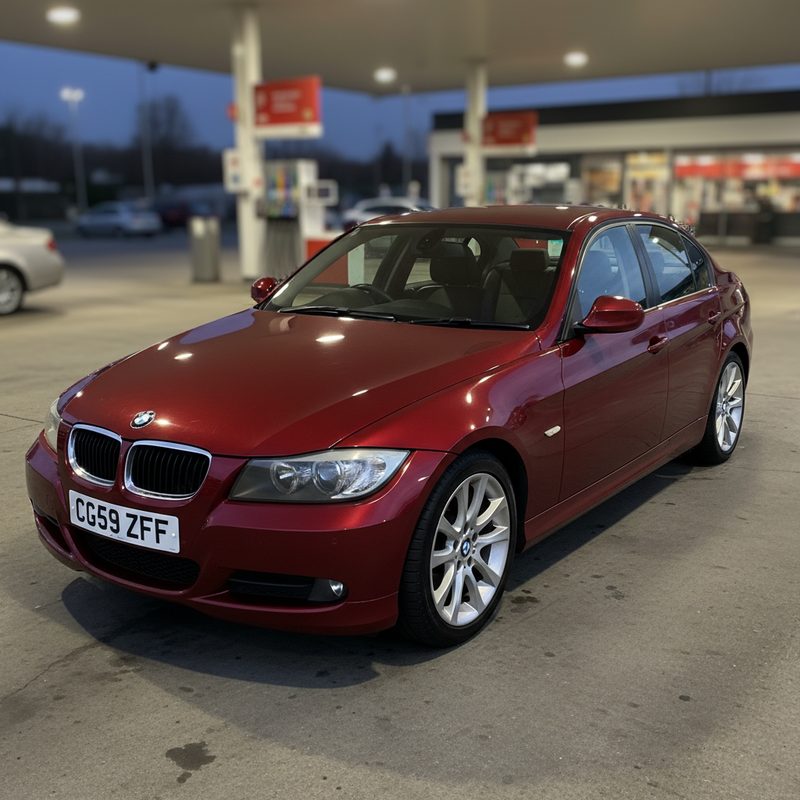
BMW 3 Series Depreciation — Best Year to Buy Used for Value
This guide delves into the depreciation of the BMW 3 Series, highlighting the best year to buy, variants that hold value, and tips to minimise depreciation.
Understanding Depreciation in the BMW 3 Series at 80,000 Miles — What to Budget For
Depreciation is a crucial factor to consider when purchasing a used car, particularly for models like the BMW 3 Series, which is known for its performance and luxury. The depreciation curve for the BMW 3 Series typically follows a predictable pattern, with the most significant drop occurring within the first three years of ownership. According to data from various automotive sources, a new BMW 3 Series can lose approximately 50-60% of its value within the first three years. For instance, a brand-new model priced at £35,000 could be worth around £15,000 to £17,500 after three years.
As the vehicle ages, the rate of depreciation slows down. By the fifth year, the average depreciation rate for the BMW 3 Series stabilises, with typical values hovering around 60-65% of the original price. This trend is essential for potential buyers to understand, as it indicates that purchasing a slightly older model may offer better value for money. The depreciation curve can be influenced by various factors, including mileage, condition, service history, and AutoTrader, all of which play a role in determining the resale value of the vehicle.
Sweet Spot Age — Best Year to Buy for Value
Identifying the best year to buy Buying a Used 2016 BMW 3 Series F30 — What to Check involves analysing the depreciation curve and understanding the sweet spot where value meets performance. Generally, the ideal age for a used BMW 3 Series is between three to five years old. At this stage, the vehicle has already undergone the steepest depreciation, yet it still retains many modern features and technologies that newer models offer.
For example, a 2018 BMW 3 Series, which would now be around five years old, is often available for around £20,000 to £25,000, depending on the variant and mileage. This price point represents a significant saving compared to a new model while still providing a high level of performance and luxury. Additionally, vehicles in this age range are often still under warranty, providing peace of mind for buyers.
Moreover, the 2018 model year introduced several updates, including improved infotainment systems and enhanced fuel efficiency, making it a desirable option for buyers looking for a balance of cost and modern features. Therefore, focusing on models from 2018 to 2020 can yield excellent value, as they are likely to have already absorbed the bulk of their depreciation while still offering a contemporary driving experience.
Which Variants/Specs Hold Value Best
When considering the BMW 3 Series, not all variants depreciate at the same rate. Certain specifications and engine options tend to hold their value better than others. For instance, the M Sport models, known for their sporty aesthetics and enhanced performance, often command higher resale values compared to the standard models. This is primarily due to their desirability among enthusiasts and the perception of higher performance.
Additionally, diesel variants, particularly the 320d, have historically held their value well, thanks to their balance of performance and fuel efficiency. A well-maintained 2018 BMW 320d could retain around 65-70% of its original value, making it a smart choice for buyers looking for longevity in their investment. On the other hand, petrol variants, while popular, may not hold their value as robustly due to the increasing shift towards diesel and hybrid options in the market.
Furthermore, buyers should consider the trim levels. The higher-specification trims, such as the M Sport or the Luxury models, tend to have better resale values compared to the base models. This is often due to the additional features and technology that come with these trims, which are more appealing to the second-hand market. Therefore, when searching for a used BMW 3 Series, it’s advisable to focus on M Sport or higher trims, as they are likely to offer better value retention over time.
Factors That Affect This Model's Resale Value
Several factors can influence the resale value of the BMW 3 Series, and understanding these can help buyers make informed decisions. Firstly, mileage is a significant factor; lower mileage generally correlates with higher resale values. A BMW 3 Series with under 40,000 miles is likely to command a premium compared to one with over 80,000 miles.
Condition is another critical aspect. A well-maintained vehicle with a full service history will always attract a better price than one with a patchy maintenance record. Buyers should look for vehicles that have been serviced regularly at authorised dealerships, as this often indicates that the car has been cared for properly.
Market demand also plays a crucial role in determining resale values. The BMW 3 Series is a popular choice in the UK, and its desirability can lead to better resale prices. However, fluctuations in the market, such as economic downturns or shifts in consumer preferences, can impact values. For instance, during the COVID-19 pandemic, many used car prices surged due to a shortage of new vehicles, affecting the depreciation rates of models like the BMW 3 Series.
Additionally, external factors such as fuel prices and environmental regulations can influence resale values. With the increasing emphasis on low-emission vehicles, diesel variants may see a decline in demand, potentially affecting their resale values. Buyers should stay informed about market trends and consider how these factors may impact their investment in a used BMW 3 Series.
How to Minimise Depreciation When You Buy
Minimising depreciation when purchasing a used BMW 3 Series involves strategic planning and informed decision-making. Firstly, timing your purchase can significantly impact the price you pay. Buying a vehicle at the end of the financial year or during the winter months, when demand is typically lower, can lead to better deals. Additionally, purchasing a model that is just about to be replaced by a newer version can also yield savings, as dealers often offer discounts to clear out older stock.
Another effective strategy is to opt for a model with a good service history and low mileage. As mentioned earlier, these factors can enhance resale value. Furthermore, consider purchasing a vehicle that has been well-reviewed for reliability and performance, as these models tend to depreciate more slowly. Researching models with strong reputations for longevity can pay off in the long run.
Additionally, consider the colour and specification of the vehicle. Neutral colours like black, grey, or white tend to have broader appeal and can help maintain resale value. On the other hand, more unique colours may limit your buyer pool, potentially leading to a more significant depreciation.
Finally, keep the vehicle in excellent condition. Regular maintenance, timely servicing, and addressing any minor issues promptly can help preserve the car's value. Keeping the interior and exterior clean and well-maintained will also make the vehicle more appealing to potential buyers when it comes time to sell.
Dave's Recommendation on Timing Your Purchase
When it comes to timing your purchase of a used BMW 3 Series, my recommendation is to keep an eye on the market trends and be strategic. The best time to buy is typically during the winter months, particularly between November and February, when demand for used cars tends to dip. During this period, dealers are often more willing to negotiate on price, and you may find better deals.
Additionally, consider the timing of new model releases. BMW often unveils new models in the autumn, which can lead to a decrease in demand for the outgoing models. This is an excellent opportunity to secure a good deal on a slightly older model that has already undergone significant depreciation.
Moreover, if you're looking for the best value, aim for models that are around three to five years old. These vehicles have already absorbed the bulk of their depreciation while still offering many modern features and technologies. By focusing on these age ranges and being mindful of market conditions, you can maximise your investment in a used BMW 3 Series.
Conclusion
In summary, understanding the depreciation trends of the BMW 3 Series is essential for making an informed purchasing decision. By identifying the sweet spot age, focusing on variants that hold their value best, and being aware of the factors that affect resale value, buyers can navigate the used car market more effectively. Additionally, implementing strategies to minimise depreciation and timing your purchase wisely can significantly enhance the value of your investment. If you're considering a used BMW 3 Series, take the time to research and evaluate your options, and don't hesitate to GOV.UK MOT history with me for tailored advice.
Check BMW 3 Series, instantly with Dave's free vehicle intelligence report.
Check a specific year with Dave