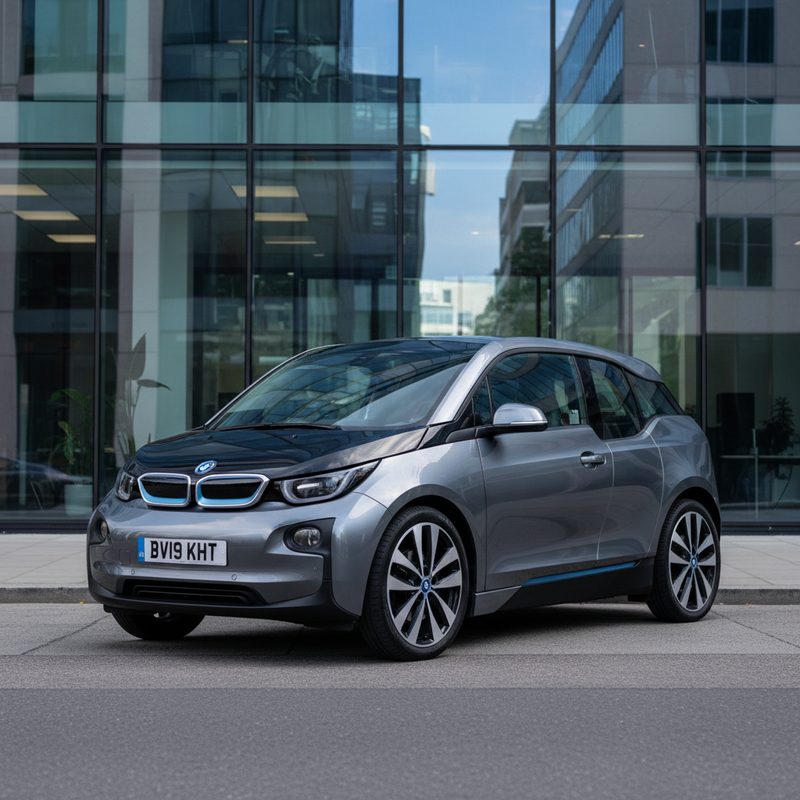
Used BMW i3 — Common Problems Before Buying
Know the common BMW i3 problems before buying used, from 12V battery failures and body panel cracks to Range Extender issues and charging system faults.
Used BMW i3 — Common Problems Before Buying
The BMW i3 is a genuinely innovative electric car, but like any vehicle, it has its quirks and known issues. Understanding these before handing over your money can save you from unpleasant surprises and help you negotiate a fair price. This guide covers the most commonly reported problems with used BMW i3 models across all production years, from the original 60 Ah cars through to the later 120 Ah versions.
Battery and Electrical System Issues
Battery Degradation
The most significant concern with any used EV is battery health, and while the i3 generally performs well in this regard, early 60 Ah models (2013 to 2016) are now reaching the age where noticeable degradation is common. A car showing less than 80% State of Health (SoH) will have significantly reduced range. Always get a battery diagnostic before purchasing. Our detailed guide on battery health when buying used covers exactly how to do this.
12V Auxiliary Battery Failure
This is perhaps the single most common issue with the BMW i3 across all years. The small 12V auxiliary battery that powers the car electronics, lights, and locks is separate from the main high-voltage drive battery. When it fails — and it does so with frustrating regularity — the car can become completely immobilised, unable to start or even unlock electrically.
The original 12V battery typically lasts only 3 to 4 years. Replacement costs around £200 to £350 at a BMW dealer, or £100 to £180 if you source and fit the battery yourself. The i3 uses an AGM (Absorbent Glass Mat) battery, and BMW recommends coding the new battery to the car using diagnostic software, though many owners report success without this step.
When viewing a used i3, ask when the 12V battery was last replaced. If the seller does not know, factor in an immediate replacement as a precautionary measure.
Drivetrain Malfunction Warnings
Some i3 owners report intermittent "Drivetrain Malfunction" warnings on the dashboard. These can be caused by a variety of issues, from software glitches to genuine hardware faults. Common causes include:
- Failed or failing electric motor contactors
- Issues with the onboard charger
- High-voltage battery management system faults
- Wiring harness corrosion or connector issues
Any drivetrain warning should be investigated with BMW diagnostic equipment before purchase. A car displaying these warnings is best avoided unless the seller can demonstrate the fault has been properly resolved.
Range Extender (REx) Specific Problems
If you are considering an i3 with the optional Range Extender, be aware of these additional potential issues:
Fuel System Problems
The 647cc two-cylinder petrol engine is designed to run infrequently, only kicking in when the battery level drops below a threshold. In practice, many owners rarely use the REx, which can lead to stale fuel in the system. Symptoms include rough running, difficulty starting the REx, and fault codes related to fuel quality or injection.
Regular use of the REx (at least once a month) helps prevent these issues. If you are buying a used i3 REx, ask the seller about their usage patterns. A car that has had the REx exercised regularly is preferable.
REx Coolant Leaks
The Range Extender has its own separate cooling system, and leaks from the coolant circuit have been reported, particularly around hose connections and the expansion tank. Check for any signs of coolant loss or staining around the REx engine bay area (located at the rear of the car).
REx Activation Issues
Some owners experience problems with the REx failing to activate when needed, or activating and then shutting down unexpectedly. This can be caused by software issues, sensor faults, or mechanical problems with the engine itself. A diagnostic check should reveal any stored fault codes related to the REx system.
Bodywork and Structural Concerns
Plastic Body Panels
The i3 outer body panels are made from thermoplastic, which does not rust and is relatively resistant to minor dents. However, these panels can crack on impact rather than dent like metal, and repairs can be expensive due to the specialist nature of the material. Check all panels carefully for cracks, especially around the wheel arches and bumpers.
The plastic panels are also prone to discolouration over time, particularly on lighter colours. Some owners report a chalky or faded appearance after several years of UV exposure. While this is largely cosmetic, it can be difficult and costly to rectify.
CFRP Structure
The carbon-fibre-reinforced plastic passenger cell is incredibly strong, but damage from a significant accident can be very expensive to repair — sometimes uneconomically so. Always check for accident history through an HPI check and inspect the MOT history for any advisory notes about structural integrity.
Door Seals and Water Ingress
The i3 unique coach-style rear-hinged back doors create an unusual seal geometry. Some owners report water ingress around the rear door seals, particularly as the car ages and seals deteriorate. Check for dampness or water staining in the rear footwells and around the door sills.
Suspension and Tyres
Tyre Wear and Cost
The BMW i3 uses narrow, tall tyres in unusual sizes (155/70 R19 front, 175/60 R19 rear on most models). These tyres are more expensive than standard sizes and are not carried by every tyre shop. Expect to pay £100 to £150 per tyre fitted. The narrow tyres can also wear quickly if alignment is not correct, so check tread depth and look for uneven wear patterns.
Suspension Noise
Some i3 owners report clunking or knocking noises from the front suspension, particularly over rough surfaces. This is often caused by worn anti-roll bar links or drop links, which are relatively inexpensive to replace (around £100 to £200 including labour). More serious suspension issues are rare but should be investigated during a pre-purchase inspection.
Interior and Technology
iDrive System Glitches
The i3 infotainment system can suffer from occasional software glitches, including frozen screens, Bluetooth connectivity problems, and navigation system errors. In many cases, a software update from a BMW dealer resolves these issues. Check that the iDrive system is responsive during your viewing and test all functions including Bluetooth pairing, navigation, and the parking sensors.
Heating System
The i3 uses an electric heat pump for cabin heating, which is efficient but can develop faults. A failing heat pump can result in poor cabin heating performance and increased energy consumption from the battery. If you test drive during cold weather and the cabin takes an unusually long time to warm up, this could indicate a heat pump issue. Replacement costs can be significant, ranging from £1,000 to £2,000.
Seat Wear
Depending on the interior specification, i3 seats can show wear relatively quickly. The base cloth seats hold up reasonably well, but the optional leather and SensaTec (synthetic leather) trim can crack or peel, particularly on the driver seat bolsters. Inspect the seats carefully and factor in the cost of any refurbishment.
Charging-Related Issues
Onboard Charger Failure
The i3 onboard charger (which converts AC power from a wallbox or public charger to DC for the battery) can occasionally fail. Symptoms include the car refusing to charge, charging at a reduced rate, or throwing fault codes during charging. A replacement onboard charger costs approximately £1,000 to £1,500 from BMW. Check that the car charges normally by plugging it in during your viewing if possible. Use Zap-Map to find a nearby public chargepoint if the seller does not have a home charger.
Charging Port Issues
The CCS charging port (on DC rapid-charging-equipped models) can develop issues with the connector pins or the locking mechanism. Ensure the charging flap opens and closes smoothly and that any connector you plug in locks securely in place.
What to Check During a Viewing
Here is a practical checklist for viewing a used BMW i3:
- Run a battery diagnostic to establish SoH (see our battery health guide)
- Check the 12V battery age and condition
- Inspect all body panels for cracks, chips, and discolouration
- Look for water ingress around door seals, particularly the rear doors
- Check tyre condition, tread depth, and look for uneven wear
- Test all electrical systems including iDrive, heating, and parking sensors
- Listen for suspension noises during a test drive over rough roads
- Verify the car charges correctly if facilities are available
- Check the MOT history on GOV.UK for patterns of advisory notes or failures
- Request a full service history and verify any warranty remaining on the battery
Cost of Ownership Considerations
Despite these potential issues, the BMW i3 remains a compelling used buy. Servicing costs are lower than equivalent petrol BMWs, there is zero road tax for pure electric models, and the car is fully ULEZ exempt. The main ongoing costs are tyres (due to the unusual sizes) and the occasional 12V battery replacement. For a full financial breakdown, our guide on running costs versus petrol provides a detailed comparison.
Insurance can be slightly higher than you might expect for a small car, owing to the specialist construction and repair costs. Get quotes before committing to a purchase.
Summary
The BMW i3 is a well-engineered car with relatively few serious issues, but the problems it does have can be expensive to fix if you are caught unaware. The 12V battery, body panel damage, and battery health are the three areas that deserve the most scrutiny. Armed with this knowledge and a systematic approach to your pre-purchase inspection, you will be well placed to find a good example and enjoy the unique driving experience that the i3 delivers. For a broader perspective on value, see our guide on whether the BMW i3 is worth buying used.
Check BMW i3, instantly with Dave's free vehicle intelligence report.
Check your specific EV with Dave