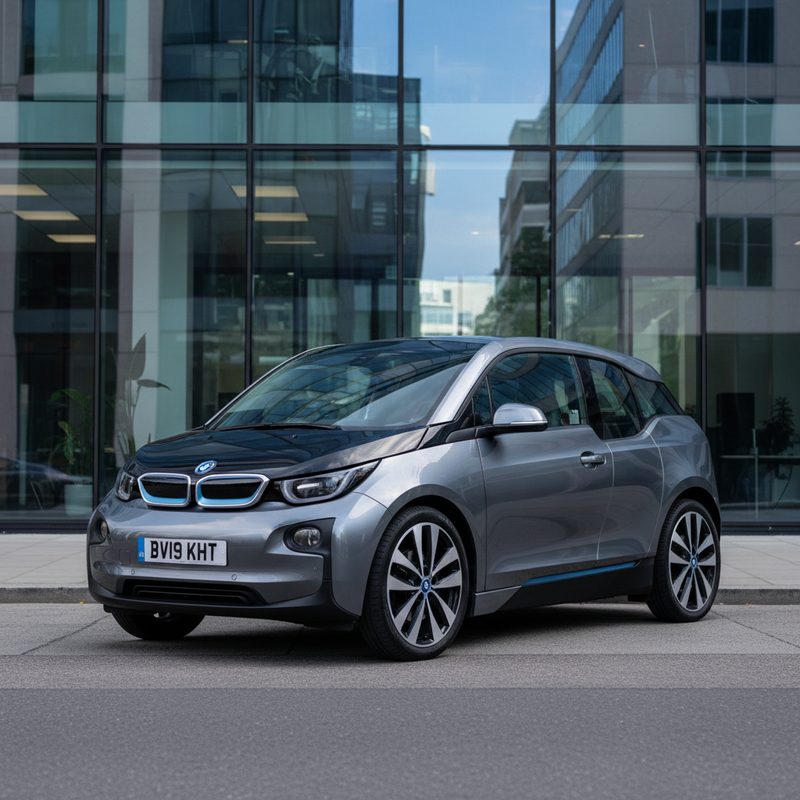
Used BMW i3 — Running Costs Vs Petrol
See how the BMW i3 running costs compare to petrol cars with a full annual breakdown of fuel, tax, servicing, insurance and total savings for UK drivers.
Used BMW i3 — Running Costs vs Petrol
One of the most compelling reasons to buy a Used BMW i3 is the potential to slash your motoring costs. But how much will you actually save compared to running a petrol car? This guide puts hard numbers on every major cost category — from fuel and tax to servicing and insurance — so you can see exactly where your money goes and how much stays in your pocket.
The Comparison Cars
For a fair comparison, we will pit the BMW i3 against two petrol alternatives that occupy a similar market position: the BMW 1 Series (F20, 118i) and the Volkswagen Golf (Mk7, 1.4 TSI). Both are popular compact hatchbacks that a used i3 buyer might otherwise consider.
We will assume annual mileage of 8,000 miles, which is close to the UK average, and a mix of urban and suburban driving where the i3 excels.
Fuel and Charging Costs
This is where the i3 advantage is most dramatic.
BMW i3 (94 Ah, home charging at 24.5p/kWh): Real-world efficiency: approximately 3.8 miles per kWh. Annual energy consumption: 8,000 / 3.8 = 2,105 kWh. Annual cost: 2,105 x £0.245 = £516.
On an off-peak EV tariff at 7p/kWh, this drops to just £147 per year.
BMW 118i (petrol): Real-world fuel economy: approximately 40 mpg. Annual fuel consumption: 8,000 / 40 = 200 gallons = 909 litres. At £1.42 per litre: £1,291 per year.
Volkswagen Golf 1.4 TSI: Real-world fuel economy: approximately 42 mpg. Annual fuel consumption: 8,000 / 42 = 190 gallons = 866 litres. At £1.42 per litre: £1,230 per year.
Annual fuel saving with the i3: £714 to £775 at standard electricity rates, or £1,083 to £1,144 on an off-peak EV tariff. For a more detailed look at i3 charging expenses, see our BMW i3 charging costs guide.
Road Tax (Vehicle Excise Duty)
BMW i3: £0 per year. All pure electric vehicles registered before 1 April 2025 pay zero road tax in the UK.
BMW 118i: £190 per year (standard rate for cars registered after April 2017).
VW Golf 1.4 TSI: £190 per year.
Annual saving with the i3: £190.
London ULEZ and Congestion Charge
If you drive in London, the savings become even more significant.
BMW i3: Exempt from the ULEZ charge (£12.50 per day) and eligible for the Congestion Charge discount (currently 100% discount with registration).
Petrol alternatives: Subject to the full £12.50 daily ULEZ charge if they do not meet Euro 4 standards (most pre-2006 petrols), and the full £15 daily Congestion Charge.
A London commuter entering the Congestion Zone five days a week could save over £3,000 per year on the Congestion Charge alone, plus up to £3,250 on ULEZ charges. Even occasional London visitors will appreciate the exemptions.
Servicing and Maintenance
Electric vehicles have far fewer moving parts than petrol cars, which translates directly into lower maintenance costs.
BMW i3 annual servicing:
- Typical annual service: £150 to £250
- Brake fluid change (every 2 years): £80 to £120
- Cabin filter: £40 to £60
- No oil changes, no spark plugs, no timing belt, no exhaust
- Brake pads last 2 to 3 times longer due to regenerative braking
- Average annual maintenance cost: £200 to £350
BMW 118i annual servicing:
- Full service: £280 to £400
- Oil and filter changes
- Spark plug replacement (every 40,000 to 60,000 miles)
- Brake pads and discs (more frequent replacement)
- Potential exhaust system, clutch, and timing chain costs
- Average annual maintenance cost: £400 to £650
VW Golf 1.4 TSI annual servicing:
- Full service: £250 to £350
- Similar consumables to the BMW
- DSG gearbox oil change if applicable
- Average annual maintenance cost: £350 to £550
Annual maintenance saving with the i3: £150 to £300.
Insurance
This is one area where the i3 does not always win. Due to its specialist construction (CFRP body, unusual repair requirements) and relatively high new price, insurance can be surprisingly expensive for what is a small car.
Typical annual insurance costs (assuming a 40-year-old driver with full no-claims):
- BMW i3: £450 to £700
- BMW 118i: £400 to £600
- VW Golf 1.4 TSI: £350 to £550
The i3 may cost £50 to £150 more per year to insure than petrol rivals. Some specialist EV insurers offer competitive rates, so it is worth shopping around. Be sure to mention that the car is kept on a driveway or in a garage and that you have a home charger, as these factors can reduce premiums.
Before buying, you can check the exact road tax cost on GOV.UK using the registration number.
Tyres
The i3 uses unusual tyre sizes (155/70 R19 front, 175/60 R19 rear) which are more expensive than standard fitments.
- BMW i3 tyres: £100 to £150 each, typically needing replacement every 20,000 to 25,000 miles. Annual cost for 8,000 miles per year: approximately £160 to £240.
- Petrol alternatives: £60 to £100 per tyre. Annual cost: approximately £100 to £160.
The i3 tyre costs are roughly £60 to £80 more per year than petrol rivals.
Total Annual Running Cost Comparison
Here is the complete picture for 8,000 miles per year:
| Cost Category | BMW i3 (home, standard) | BMW i3 (home, off-peak) | BMW 118i | VW Golf 1.4 TSI |
|---|---|---|---|---|
| Fuel/Charging | £516 | £147 | £1,291 | £1,230 |
| Road Tax | £0 | £0 | £190 | £190 |
| Servicing | £275 | £275 | £525 | £450 |
| Insurance | £575 | £575 | £500 | £450 |
| Tyres | £200 | £200 | £130 | £130 |
| Total | £1,566 | £1,197 | £2,636 | £2,450 |
Annual saving with the i3 versus the BMW 118i: £1,070 at standard rates, £1,439 on an off-peak tariff.
Annual saving versus the VW Golf: £884 at standard rates, £1,253 on an off-peak tariff.
Over five years of ownership, the i3 saves between £4,420 and £7,195 compared to a petrol alternative. That is a genuinely transformative amount of money.
The Depreciation Factor
Used car depreciation is often the single largest cost of car ownership. The i3 has already experienced the steepest part of its depreciation curve, meaning that a used example purchased today will lose value more slowly than it did when new.
A 2017 94 Ah i3 purchased for around £10,000 to £12,000 today might be worth £7,000 to £9,000 in three years, representing a loss of roughly £1,000 per year. A similar-age BMW 118i might depreciate at a comparable rate in absolute terms but started from a higher purchase price.
The Wider Financial Picture
Beyond the direct running cost comparison, consider these additional financial factors:
- Home charger installation: A one-off cost of £800 to £1,200, potentially subsidised by the OZEV grant via GOV.UK. This investment pays for itself within 1 to 2 years through reduced charging costs.
- Battery health: A degraded battery increases charging frequency and costs slightly. Check battery health before purchase to avoid surprises.
- Potential battery replacement: Unlikely to be needed for many years on a healthy battery, but worth factoring in for older models. See our guide on battery degradation.
- Public charging costs: If you rely on public chargers rather than home charging, your savings will be reduced. Use Zap-Map to find the most affordable options.
The Verdict
The used BMW i3 is substantially cheaper to run than comparable petrol cars. The savings are most dramatic for drivers who can charge at home on an off-peak tariff, but even those paying standard electricity rates will save over £800 per year. Add in ULEZ and Congestion Charge exemptions for London drivers, and the financial case becomes overwhelming.
The only areas where the i3 costs more are insurance (marginally) and tyres (due to unusual sizes). These minor additional costs are far outweighed by the savings on fuel, tax, and maintenance. For anyone looking to reduce their motoring expenses while driving a genuinely premium, enjoyable car, the used BMW i3 makes excellent financial sense. Review the best years to buy to find the model that balances purchase price with running cost efficiency.
Check BMW i3, instantly with Dave's free vehicle intelligence report.
Check your specific EV with Dave