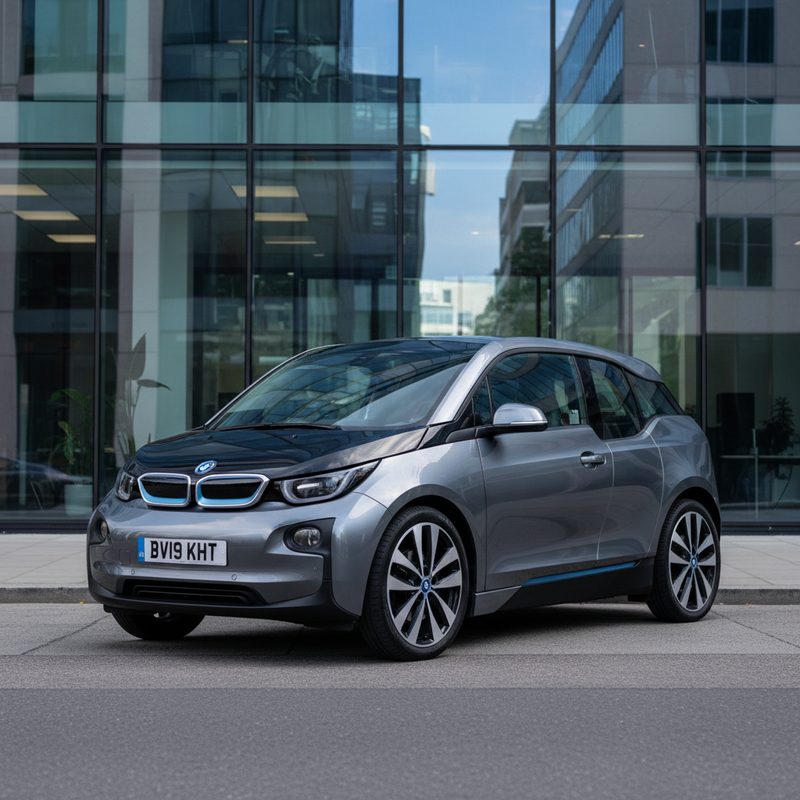
BMW i3 Range Extender vs Pure Electric — Which to Buy Used
Deciding between the BMW i3 Range Extender and Pure Electric? This guide breaks down key differences, costs, and considerations for a smart used car purchase.
Understanding the BMW i3
The BMW i3 is a compact electric vehicle that has carved out a niche for itself in the UK market since its launch. Known for its distinctive design and innovative use of materials, the i3 is available in two variants: the fully electric model and the Range Extender (REx). The latter features a small petrol engine that acts as a generator to recharge the battery, providing peace of mind for those concerned about range anxiety. As you consider purchasing a used i3, it's essential to understand the differences between these two models, their respective advantages, and what to look for when buying.
Battery Health — What to Check and Expect
Battery health is a critical factor when considering any electric vehicle, especially the BMW i3. The battery pack in the i3 is designed to last for many years, but like all lithium-ion batteries, it can degrade over time. When evaluating a used i3, checking the battery's state of health (SoH) is paramount. A healthy battery should ideally retain around 80% of its original capacity after several years of use.
You can assess battery health through a few methods. First, ask the seller for any battery health reports or diagnostics they may have. Additionally, consider using a service like Dave's free EV health report, which can provide insights into the battery's condition based on its history.
The cost of replacing the battery can be significant, often exceeding £5,000, so understanding its current state can save you from unexpected expenses down the line. Furthermore, look for signs of battery degradation, such as reduced range during test drives. The i3's electric variant typically offers a range of around 120 miles on a full charge, while the Range Extender can push this further with the petrol engine kicking in.
Real-World Range vs Manufacturer Claims
One of the most common concerns for potential electric vehicle buyers is range. BMW claims that the i3 can achieve around 160 miles on a full charge for the pure electric model under ideal conditions. However, real-world figures often fall short of these claims due to various factors, including driving style, weather conditions, and the use of climate control.
In practice, many drivers report achieving between 80 to 120 miles on a single charge, depending on their driving habits. The Range Extender model offers a different experience, as it can seamlessly switch to petrol power when the battery runs low, effectively eliminating range anxiety. However, this comes with the trade-off of increased running costs due to fuel consumption.
When considering which model to buy, think about your typical driving patterns. If you primarily drive short distances and have access to charging facilities, the pure electric i3 may suffice. Conversely, if you often embark on longer journeys, the Range Extender could provide the flexibility you need. It's also worth noting that the i3's battery can take around 4-5 hours to charge from a standard home socket, while a dedicated wall box can reduce this time to about 3 hours.
Charging Costs and Infrastructure
Charging costs are another essential consideration when choosing between the BMW i3 variants. The cost of electricity in the UK is generally lower than petrol, making electric vehicles more economical in the long run. On average, charging an i3 from empty to full can cost around £5-£7, depending on your electricity tariff. This is significantly cheaper than filling up a petrol tank, especially with rising fuel prices.
When it comes to charging infrastructure, the UK has made significant strides in recent years. Public charging points are increasingly available, with networks like ChargePoint and Pod Point expanding rapidly. However, the availability of rapid chargers can vary by location, so it's wise to plan your routes accordingly if you opt for the pure electric model.
For the Range Extender, you’ll still need to consider charging costs, as the petrol engine will only kick in once the battery is depleted. This means you’ll need to balance your charging habits with fuel consumption. If you frequently find yourself near charging stations, the pure electric model might be more convenient and cost-effective.
Common Problems Specific to This EV/Hybrid
Like any vehicle, the BMW i3 has its share of common issues that potential buyers should be aware of. For the pure electric model, battery degradation is the most significant concern, as previously mentioned. However, other issues can arise, such as problems with the electric motor, software glitches, and issues with the regenerative braking system.
The Range Extender model may face additional challenges, particularly with the petrol engine. Owners have reported issues with the engine not starting, which can be frustrating if you rely on it for longer journeys. Regular maintenance is crucial, and it’s advisable to check the service history of any used i3 you’re considering. Look for evidence of regular servicing and any recalls that may have been addressed.
For a more comprehensive understanding of potential issues, you can refer to guides like Used BMW i3 — Common Problems Before Buying. This resource can help you identify red flags during your search for a used i3.
Running Cost Savings vs Petrol/Diesel
One of the most appealing aspects of owning an electric vehicle like the BMW i3 is the potential for significant savings on running costs. Compared to petrol or diesel vehicles, the i3 offers lower fuel costs, reduced maintenance expenses, and potential tax benefits. For instance, electric vehicles are exempt from road tax, which can save you around £150 annually compared to a petrol or diesel equivalent.
In terms of maintenance, electric vehicles generally require less upkeep than their petrol counterparts. The absence of an internal combustion engine means fewer moving parts, leading to lower servicing costs. Additionally, the regenerative braking system in the i3 can extend brake pad life, further reducing maintenance expenses.
When comparing the running costs of the i3 to a petrol or diesel vehicle, consider the total cost of ownership. While the initial purchase price of a used i3 may be higher than a comparable petrol model, the savings on fuel, tax, and maintenance can make it a more economical choice in the long run. For a detailed breakdown of these costs, check out Used BMW i3 — Running Costs Vs Petrol.
Dave's Verdict — Is It Worth Going Electric?
Deciding between the BMW i3 Range Extender and the pure electric model ultimately comes down to your lifestyle and driving habits. If you primarily drive short distances and have access to charging facilities, the pure electric i3 is an excellent choice, offering lower running costs and a more environmentally friendly option.
On the other hand, if you frequently embark on longer journeys or find yourself in areas with limited charging infrastructure, the Range Extender provides the flexibility of petrol power when needed. However, be mindful of the additional running costs associated with petrol and the potential for engine-related issues.
Regardless of which model you choose, always conduct thorough research and consider getting a comprehensive health check for any used i3 you’re considering. This can help you avoid potential pitfalls and ensure you make a sound investment. Remember, a well-maintained i3 can provide years of enjoyable and economical driving.
In conclusion, the BMW i3 is a compelling option in the used car market, whether you opt for the Range Extender or the pure electric model. By understanding the nuances of each variant and conducting proper due diligence, you can make an informed decision that suits your needs and budget. Don’t forget to check the MOT history and consider a DVLA vehicle check to verify the vehicle's history before making your purchase. Happy car hunting!
Check BMW i3, instantly with Dave's free vehicle intelligence report.
Check any BMW i3 with Dave's free EV health report