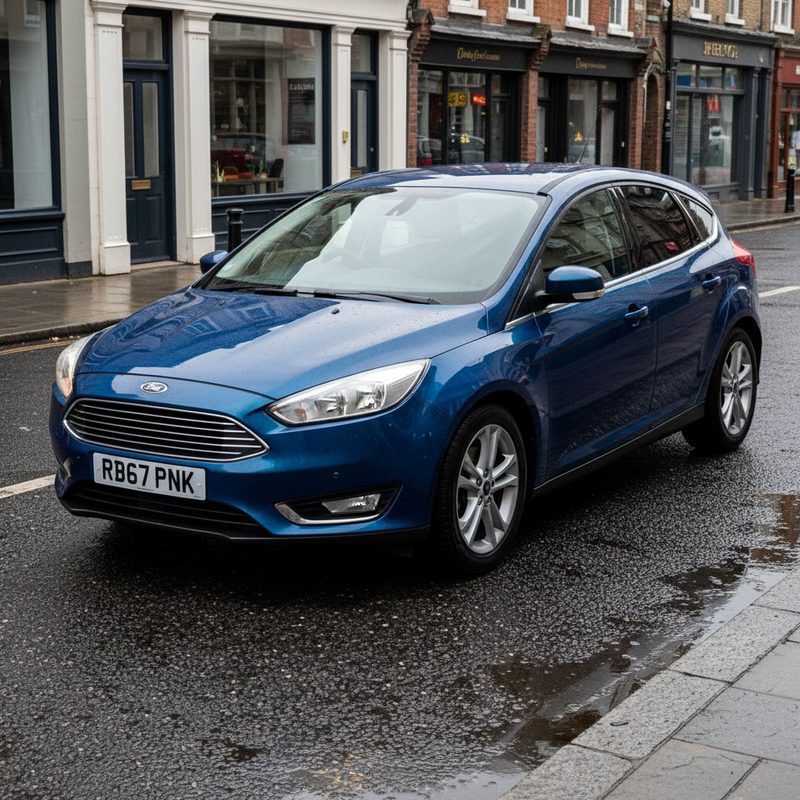
Ford Focus Resale Value — How Well Does It Hold?
Explore the resale value of the Ford Focus, including depreciation trends, best years to buy, and strategies to minimise value loss when purchasing.
Understanding the Ford Focus Resale Value
The Ford Focus has long been a staple in the UK car market, known for its practicality, driving dynamics, and overall reliability. However, when considering a used car purchase, understanding how well a model retains its value is crucial. Resale value can significantly impact your overall ownership costs, especially if you plan to sell or trade in the vehicle in the future. In this guide, we’ll delve into the depreciation trends of the Ford Focus, identify the sweet spot for purchasing, and provide insights on how to minimise depreciation when buying.
Depreciation Curve for the Ford Focus
The depreciation curve of a vehicle reflects how its value decreases over time. For the Ford Focus, the initial depreciation is steep, which is typical for most cars. Generally, a new car can lose around 20-30% of its value within the first year. For the Focus, this means that if you purchase a new model for about £25,000, it could be worth around £17,500 to £20,000 after just one year.
As the years progress, the rate of depreciation tends to slow down. By the end of the third year, a Ford Focus typically retains about 50-60% of its original value. This means that a three-year-old Focus, which might have cost £25,000 new, could be valued between £12,500 and £15,000.
By the time it reaches the five-year mark, the depreciation stabilises further, with the vehicle holding around 40-50% of its original value. This trend is advantageous for buyers looking for a used Focus, as purchasing a vehicle that is three to five years old often provides the best balance between price and remaining value.
For example, a five-year-old Ford Focus might be priced between £10,000 and £12,500, depending on its condition and mileage. This makes it an appealing option for those seeking a reliable vehicle without the steep initial depreciation hit.
Sweet Spot Age — Best Year to Buy for Value
Identifying the best year to buy a used Ford Focus can save you a significant amount of money while still providing a reliable vehicle. Based on the depreciation trends, the sweet spot for purchasing a Ford Focus is typically between three to five years old.
A three-year-old model often strikes the right balance between modern features and affordability. At this age, the car has already undergone the most significant depreciation, meaning you can acquire it for a much lower price than a new model while still enjoying many of the latest technological advancements and safety features. Additionally, by this time, the vehicle has likely been well-maintained, as it would still be under the manufacturer’s warranty.
If you’re considering a five-year-old Focus, you’ll benefit from even lower prices, often ranging from £10,000 to £12,500. This age group generally has a good selection of models available, including various trims and engine options. However, it’s essential to check the vehicle's history through the GOV.UK MOT history to ensure it has been well cared for and has a clean record.
Which Variants/Specs Hold Value Best
Not all Ford Focus variants depreciate at the same rate. Certain models and specifications tend to hold their value better than others. Generally, higher-spec models with more features and better performance tend to retain value more effectively. For instance, the ST and RS performance variants are often sought after in the used market, which helps them maintain a higher resale value compared to the base models.
The Ford Focus ST, known for its sporty handling and powerful engine, can command a premium in the used market. Buyers looking for a fun driving experience are often willing to pay more for these models, which can help reduce depreciation losses. Similarly, the Focus Titanium and Vignale trims, which offer additional luxury features, can also hold their value better than the entry-level models.
On the other hand, the lower-spec models, while more affordable, may not hold their value as well due to lower demand. If you’re considering a used Focus, it’s worth looking at the specifications and features that are most desirable in the market. Checking platforms like AutoTrader can give you insights into which variants are currently popular and how they compare in terms of pricing.
Factors That Affect This Model's Resale Value
Several factors can influence the resale value of a Ford Focus. Understanding these can help you make a more informed purchase decision.
Mileage
Mileage is one of the most significant factors affecting a car's resale value. Generally, lower mileage indicates less wear and tear, which can lead to a higher resale price. A Ford Focus with around 50,000 miles is often seen as a sweet spot for buyers, as it suggests the vehicle has been used but not excessively. However, you should also consider the vehicle's service history and overall condition. For more on this, check out our guide on Used Ford Focus with 50k Miles — Worth the Risk?.
Condition
The overall condition of the vehicle, both mechanically and aesthetically, plays a crucial role in determining its resale value. A well-maintained Ford Focus with a clean interior, no major dents or scratches, and a full service history will command a higher price than one that shows signs of neglect. Regular maintenance and timely repairs can help preserve the car's value over time.
Market Demand
The demand for specific models can fluctuate based on various factors, including economic conditions, fuel prices, and consumer preferences. For instance, during times of rising fuel prices, smaller, more fuel-efficient cars like the Ford Focus may see increased demand, positively impacting their resale values. Keeping an eye on market trends can help you time your purchase better.
Modifications
While some modifications can enhance a vehicle's appeal, others can detract from its resale value. For example, while a performance exhaust system might attract enthusiasts, it could turn off more conservative buyers. If you’re considering modifications, think carefully about how they might affect the car's future resale potential.
How to Minimise Depreciation When You Buy
Minimising depreciation when purchasing a used Ford Focus involves strategic decision-making. Here are some practical tips to help you keep your investment intact:
Buy Used, Not New
As mentioned earlier, purchasing a used Ford Focus that is three to five years old can save you a significant amount of money while avoiding the steep initial depreciation that new cars experience. This strategy allows you to benefit from the previous owner's investment while still enjoying a relatively modern vehicle.
Opt for Popular Variants
Choosing a popular variant or trim level can help ensure that your vehicle retains its value better. As discussed, higher-spec models like the ST or Titanium trims tend to have a stronger resale market. Consider what features are most desirable and aim for those when making your purchase.
Maintain the Vehicle
Regular maintenance is key to preserving your Ford Focus's value. Keeping up with service intervals, addressing any issues promptly, and maintaining a clean interior and exterior can help you achieve a higher resale price when it comes time to sell.
Keep Records
Maintaining comprehensive records of all services and repairs can positively impact the resale value. A well-documented service history demonstrates to potential buyers that the vehicle has been cared for and can provide peace of mind.
Timing Your Purchase
Timing can also play a role in minimising depreciation. Buying a used Ford Focus during off-peak times, such as after the new registration plates are released, can lead to better deals. Additionally, consider purchasing during the winter months when demand for used cars typically decreases.
Dave's Recommendation on Timing Your Purchase
In my experience, the best time to buy a used Ford Focus is typically in the late autumn or early winter months. During this period, many people are focused on purchasing new vehicles, which can lead to a surplus of used cars on the market. This oversupply often results in lower prices and better deals for savvy buyers.
Additionally, as the festive season approaches, many sellers are eager to offload their vehicles quickly, which can lead to further price reductions. Keep an eye on listings during this time and be prepared to negotiate. For more tips on how to approach negotiations, check out our guide on How Much to Offer on a Used Ford Focus — Exact Script.
Conclusion
The Ford Focus remains a strong contender in the used car market, thanks to its blend of practicality, reliability, and driving enjoyment. Understanding its depreciation trends, identifying the best years to buy, and being aware of the factors that affect resale value can empower you as a buyer. By following the tips outlined in this guide, you can make a more informed purchase decision and minimise depreciation losses. Remember, the key to a successful used car purchase lies in research, timing, and careful consideration of the vehicle's condition and specifications. Happy car hunting!
Check Ford Focus, instantly with Dave's free vehicle intelligence report.
Check a specific year with Dave