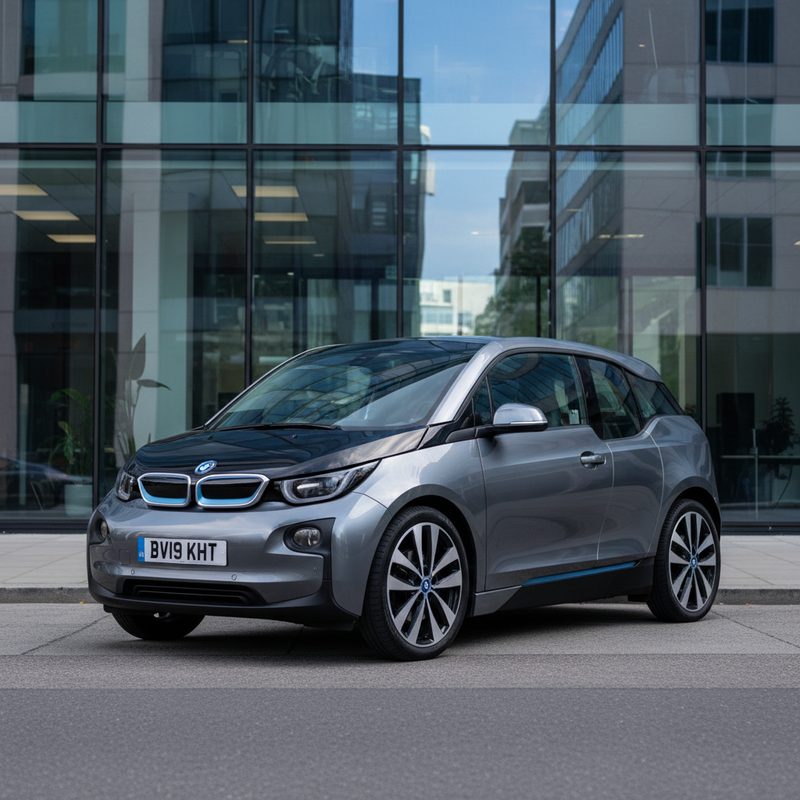
Used BMW i3 Buying Guide: Battery Health and Range
This guide covers everything you need to know about buying a used BMW i3, from battery health to real-world range and running costs.
Understanding the BMW i3
The BMW i3 is a compact electric vehicle (EV) that has gained popularity for its unique design and eco-friendly credentials. Launched in 2013, it was one of the first premium electric cars on the market, showcasing BMW's commitment to sustainable mobility. The i3 is built with a lightweight carbon-fibre reinforced plastic body, which contributes to its efficiency and performance. As a potential buyer, understanding the nuances of this vehicle is crucial, especially when it comes to battery health and real-world performance.
Battery Health: What to Check and Expect
Battery health is arguably the most critical aspect to consider when buying a used BMW i3. The i3 is equipped with a lithium-ion battery, and like all EV batteries, it can degrade over time. Battery degradation can significantly impact the car's range and performance, so it’s essential to assess the battery's condition before making a purchase.
When checking the battery health, look for the following:
-
Battery Capacity: The i3 originally comes with a 22 kWh or 33 kWh battery, depending on the model and year. As a general rule of thumb, a healthy battery should retain at least 70-80% of its original capacity after several years of use. You can use tools like the BMW i3 battery degradation guide to understand what to expect in terms of capacity loss.
-
Battery Management System (BMS): The i3 features a BMS that monitors the battery's health and performance. A well-functioning BMS can help prolong battery life by optimising charging and discharging cycles. Ask the seller if they have had any issues with the BMS or if it has been serviced recently.
-
Service History: A comprehensive service history can provide insights into how well the car has been maintained. Check if the battery has been serviced or replaced, as this can affect the overall lifespan of the vehicle.
-
Diagnostic Tools: If possible, use a diagnostic tool to check the battery's state of health (SoH). This can give you a precise reading of the battery's current capacity compared to its original capacity.
-
Warranty: Many used BMW i3s may still be under the manufacturer's warranty, which typically covers the battery for eight years or 100,000 miles. Ensure you check the warranty status and what it covers.
Real-World Range vs Manufacturer Claims
One of the most common concerns with electric vehicles is range anxiety. The BMW i3 has a manufacturer-claimed range of around 90-150 miles, depending on the model and driving conditions. However, real-world range can vary significantly based on several factors:
- Driving Style: Aggressive acceleration and high speeds can reduce range. Conversely, smooth driving can help maximise battery efficiency.
- Weather Conditions: Cold weather can have a notable impact on battery performance, reducing range by up to 30%. Similarly, using heating or air conditioning can also drain the battery faster.
- Terrain: Hilly or mountainous terrain can affect how far you can go on a single charge. If you frequently drive in such areas, expect a reduction in range.
- Payload: Carrying extra weight can also affect range. If you often travel with passengers or heavy loads, consider how this might impact your driving experience.
In practice, many owners report achieving around 70-90 miles on a full charge under normal driving conditions. If you’re considering a used BMW i3, it’s wise to test drive the vehicle and see how it performs in your typical driving environment.
Charging Costs and Infrastructure
Charging infrastructure is a crucial consideration for any EV owner. The BMW i3 can be charged at home using a standard 3-pin plug, but for faster charging, a dedicated home charger is recommended. Here’s what you need to know about charging costs and options:
- Home Charging: Installing a home charger can cost between £800 and £1,500, depending on the type and installation requirements. However, this is a worthwhile investment for regular users, as it allows for overnight charging at home.
- Public Charging: The UK has a growing network of public charging stations, with options ranging from slow chargers to rapid chargers. Charging at a public station can cost anywhere from £0.20 to £0.50 per kWh, depending on the provider. Rapid chargers can charge the i3 to 80% in about 30 minutes, making them ideal for longer journeys.
- Cost of Charging: To calculate the cost of charging, consider the battery capacity. For example, charging a 22 kWh battery from empty to full at £0.30 per kWh would cost around £6.60. This is significantly cheaper than filling up a petrol or diesel vehicle.
- Charging Apps: Use apps like Zap-Map or PlugShare to locate charging stations and check their availability. These tools can help you plan your journeys and ensure you’re never caught short.
Common Problems Specific to the BMW i3
While the BMW i3 is generally well-regarded for its build quality and performance, there are some common issues to be aware of when buying used:
-
Battery Issues: As mentioned earlier, battery degradation is a concern. Look for signs of reduced range and check the battery's health report.
-
Electrical Problems: Some owners have reported issues with the car's electrical systems, including problems with the infotainment system and dashboard displays. Ensure all electronic features are functioning correctly during your test drive.
-
Braking System: The regenerative braking system can sometimes malfunction, leading to reduced efficiency. Test the brakes thoroughly to ensure they respond well.
-
Interior Wear: The i3’s interior is made from sustainable materials, but some owners have reported premature wear and tear. Inspect the seats and dashboard for any signs of damage.
-
Tyre Wear: Due to the i3’s unique design and weight distribution, tyre wear can be uneven. Check the tyres for any signs of excessive wear and ensure they are within legal limits.
For a more detailed breakdown of potential issues, refer to the BMW i3 common problems guide.
Running Cost Savings vs Petrol/Diesel
One of the main advantages of owning an electric vehicle like the BMW i3 is the potential for significant running cost savings compared to petrol or diesel vehicles. Here’s how the costs stack up:
- Fuel Costs: As mentioned earlier, charging an i3 is generally cheaper than filling up a petrol or diesel car. The average cost of electricity in the UK is around £0.14 per kWh, which translates to about £3.50 for a full charge of a 22 kWh battery.
- Maintenance Costs: Electric vehicles typically have lower maintenance costs due to fewer moving parts. The i3 does not require oil changes, and brake wear is reduced thanks to regenerative braking. This can lead to substantial savings over time.
- Tax Benefits: Electric vehicles are exempt from road tax in the UK, which can save you around £165 annually. Additionally, you may qualify for grants or incentives for home charging installation.
- Insurance Costs: Insurance for the i3 can vary, but it generally falls into a lower insurance group compared to many petrol and diesel vehicles. Check the Thatcham insurance groups for specific ratings.
In summary, the running costs of a BMW i3 can be significantly lower than traditional vehicles, making it an attractive option for budget-conscious buyers. For a more detailed analysis of running costs, check out the BMW i3 running costs vs petrol guide.
Dave's Verdict: Is It Worth Going Electric?
The BMW i3 stands out as a unique option in the used electric vehicle market. Its quirky design, premium feel, and eco-friendly credentials make it an appealing choice for many drivers. However, potential buyers must be diligent in their research, particularly concerning battery health and real-world performance.
If you’re considering a used BMW i3, I highly recommend checking the battery health using a free EV health report. This can provide you with invaluable insights into the vehicle's condition and help you make an informed decision. Additionally, take the time to test drive the car and ensure it meets your needs in terms of range and comfort.
In conclusion, the BMW i3 can be a fantastic investment for those looking to transition to electric driving. With lower running costs, minimal maintenance, and the satisfaction of driving a sustainable vehicle, it’s worth considering. Just be sure to do your homework and check for any potential issues before you buy. Happy car hunting!