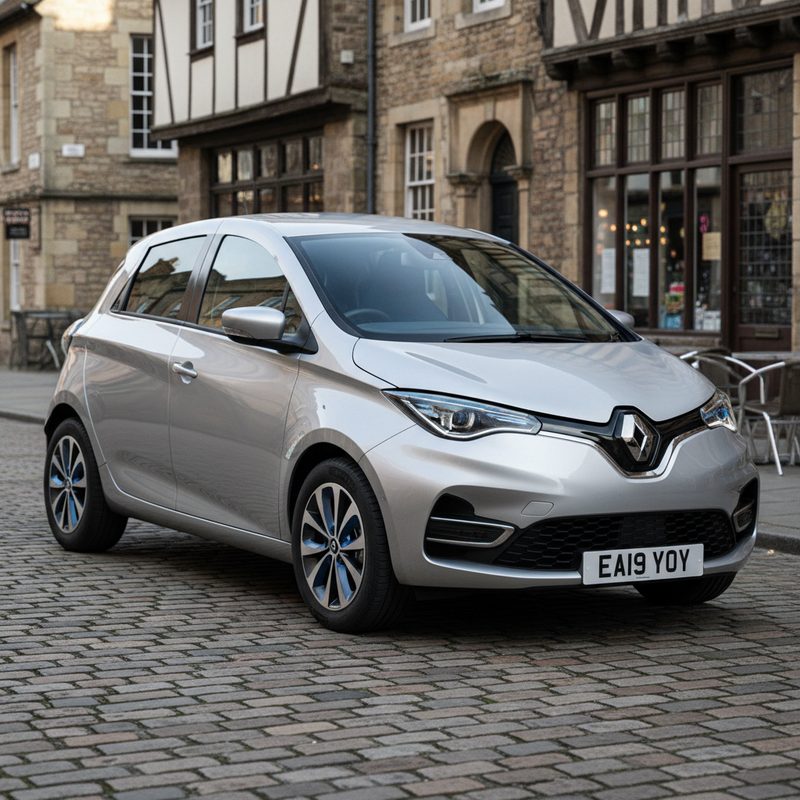
Renault Zoe Battery Lease vs Owned: Which to Buy Used
Deciding between a battery lease or ownership for a used Renault Zoe? This guide breaks down the key factors to consider for a smart purchase.
Understanding the Renault Zoe
The Renault Zoe has become a popular choice for those looking to enter the electric vehicle (EV) market in the UK. With its compact size, decent range, and affordability, it’s no wonder that many buyers are considering this model. However, one of the most significant decisions you’ll face when buying a used Zoe is whether to opt for a battery lease or to purchase the battery outright. Each option has its advantages and disadvantages, and understanding these can help you make a more informed decision.
Battery Lease vs. Owned: The Basics
When you buy a Renault Zoe, you have two primary options regarding the battery: lease it or own it. If you choose to lease the battery, you’ll pay a monthly fee to Renault for the battery’s use, while if you buy the battery outright, you own it completely and won’t have any ongoing costs associated with it.
If you are weighing up alternatives, our guide to Honda e Used Buying Guide covers similar ground from a different angle.
Battery Lease
Leasing the battery typically involves a monthly fee that can range from £50 to £100, depending on the battery size and the mileage you expect to cover. This option can be appealing as it often means lower upfront costs when purchasing the vehicle. However, you’ll need to consider the long-term implications of these monthly payments.
Battery Ownership
Owning the battery means you pay a higher upfront cost but avoid any ongoing lease fees. This can be more economical in the long run, especially if you plan to keep the car for several years. Additionally, owning the battery can make the car more appealing to future buyers, as they won’t have to deal with a lease agreement.
Pros and Cons of Battery Leasing
Advantages
- Lower Initial Cost: Leasing the battery can significantly reduce the initial purchase price of the vehicle, making it more accessible for buyers on a budget.
- Battery Maintenance: If the battery fails or degrades significantly, Renault is responsible for its replacement or repair, which can save you money and hassle.
- Flexibility: If your driving needs change, you can return the car and lease a different model without worrying about the battery.
Disadvantages
- Ongoing Costs: The monthly lease payments can add up over time, potentially costing you more than outright ownership.
- Mileage Limits: Most leases come with mileage restrictions, and exceeding these can result in hefty fees.
- Resale Complications: Selling a car with a battery lease can complicate the process, as the new owner will need to take over the lease.
Pros and Cons of Battery Ownership
Advantages
- No Ongoing Payments: Once you’ve paid for the battery, there are no further costs associated with it, which can lead to significant savings over time.
- Higher Resale Value: A car with an owned battery is often more attractive to potential buyers, as they won’t have to deal with a lease.
- Full Control: You have complete control over the battery and its maintenance, without any restrictions imposed by a leasing agreement.
Disadvantages
- Higher Upfront Cost: The initial purchase price will be higher if you buy the battery outright, which might be a barrier for some buyers.
- Risk of Degradation: If the battery degrades significantly, you’ll be responsible for any replacement costs, which can be substantial.
- Limited Warranty: Depending on the age of the vehicle, the battery may not be covered under warranty for as long as a leased battery would be.
Battery Health: What to Check and Expect
Regardless of whether you choose to lease or own the battery, understanding its health is crucial. The battery is the heart of any electric vehicle, and its condition will directly impact your driving experience.
For more on this topic, take a look at our Peugeot e-2008 Real Range and Charging Guide guide.
Key Indicators of Battery Health
- State of Charge (SoC): This indicates How Much charge the battery can hold. A healthy battery should maintain a high SoC, ideally above 80% of its original capacity.
- State of Health (SoH): This metric shows the overall health of the battery compared to its original capacity. A SoH of 70-80% is generally acceptable for a used Zoe, but anything below that could indicate potential issues.
- Battery Management System (BMS): Ensure that the BMS is functioning correctly. This system monitors the battery’s performance and can alert you to any issues.
What to Expect
When buying a used Renault Zoe, you should expect to check the battery’s health using a diagnostic tool or by requesting a report from the seller. It’s advisable to get a free EV health report, which can provide insights into the battery’s condition and any potential issues. You can check any Renault Zoe with Dave's free EV health report.
Real-World Range vs Manufacturer Claims
The Renault Zoe has a manufacturer-claimed range of around 250 miles on a full charge, but real-world conditions often yield different results. Factors such as driving style, weather, and terrain can significantly impact the actual range.
You might also find our Used BMW i3 guide useful alongside this one.
What Affects Real-World Range?
- Driving Style: Aggressive acceleration and high speeds can reduce range. Smooth driving habits can help maximise efficiency.
- Weather Conditions: Cold weather can decrease battery efficiency, leading to a reduced range. Similarly, using the heating or air conditioning can also impact how far you can go on a single charge.
- Terrain: Hilly areas can drain the battery faster than flat terrain due to the increased energy required to climb.
Real-World Expectations
In practice, many owners report achieving between 150 to 200 miles on a full charge, depending on the factors mentioned above. This is still a respectable range for daily commuting and short trips, but it’s essential to factor this into your decision-making process.
Charging Costs and Infrastructure
Charging costs are a vital consideration when deciding to buy a used Renault Zoe. Understanding how much it will cost to charge your vehicle and the available infrastructure can help you budget effectively.
We have covered related ground in our Used Nissan Leaf Buying Guide guide, which is worth reading if this subject interests you.
Charging Costs
- Home Charging: If you have a home charging point, the cost to charge your Zoe will depend on your electricity tariff. On average, charging a Zoe from empty to full can cost between £5 to £10, depending on the battery size and your electricity rates.
- Public Charging: Public charging can vary widely in cost. Rapid chargers can charge your battery to 80% in about 30 minutes but may charge a premium for the convenience. Expect to pay between £0.20 to £0.50 per kWh at public stations.
- Charging Speed: The Zoe can accept up to 22 kW on AC charging and 50 kW on DC fast charging. This means that while home charging is slower, it’s often more economical.
Infrastructure Availability
The UK has made significant strides in expanding its EV charging infrastructure, with thousands of charging points available across the country. Apps like Zap-Map can help you locate nearby charging stations, and many local councils are installing more chargers to support the growing number of EVs on the road. However, it’s still wise to plan your journeys, especially if you’re travelling long distances.
Common Problems Specific to the Renault Zoe
Like any vehicle, the Renault Zoe has its share of common issues that potential buyers should be aware of. Understanding these can help you avoid costly repairs down the line.
If things go wrong after purchase, Citizens Advice can help you understand your legal rights.
Typical Issues
- Battery Degradation: Over time, all EV batteries will degrade. It’s crucial to check the battery health before purchase to ensure it’s within acceptable limits.
- Charging Port Problems: Some owners have reported issues with the charging port, including difficulty connecting the charger or the port becoming loose over time.
- Software Glitches: The Zoe’s infotainment system can sometimes experience glitches, leading to issues with navigation or connectivity.
What to Do
When considering a used Renault Zoe, it’s wise to have a thorough inspection done. A trusted mechanic familiar with EVs can help identify any potential issues. Additionally, reviewing the vehicle’s MOT history can provide insights into past problems and repairs.
Running Cost Savings vs Petrol/Diesel
One of the most attractive aspects of owning an electric vehicle like the Renault Zoe is the potential for significant running cost savings compared to petrol or diesel vehicles.
You can look up the exact insurance group for any car on Thatcham's website before getting quotes.
Cost Comparisons
- Fuel Costs: Charging an electric vehicle is generally cheaper than filling up a petrol or diesel car. With electricity prices fluctuating, you can expect to spend about £1.50 to £2.00 per 100 miles in a Zoe, compared to £10-£15 for a petrol or diesel equivalent.
- Maintenance Costs: EVs typically have lower maintenance costs due to fewer moving parts. You won’t need to worry about oil changes or exhaust systems, which can save you money over time.
- Tax Benefits: Electric vehicles are often exempt from road tax, and you may also benefit from lower insurance premiums due to the lower risk associated with EVs. Check the GOV.UK road tax for specifics.
Dave's Verdict: Is It Worth Going Electric?
Deciding whether to go electric with a used Renault Zoe ultimately comes down to your personal circumstances and driving habits. If you primarily drive short distances and have access to charging at home, the Zoe can be an excellent choice.
The battery lease option can make the initial purchase more affordable, but it’s essential to weigh that against the long-term costs. On the other hand, owning the battery outright can provide peace of mind and potentially greater savings in the long run.
In conclusion, the Renault Zoe is a solid entry point into the world of electric vehicles. With proper research and consideration of your needs, you can make a smart decision that suits your lifestyle. Don’t forget to check any Renault Zoe with Dave's free EV health report to ensure you’re making a wise investment. Whether you choose to lease or own, the Zoe offers a practical and economical solution for modern driving needs.