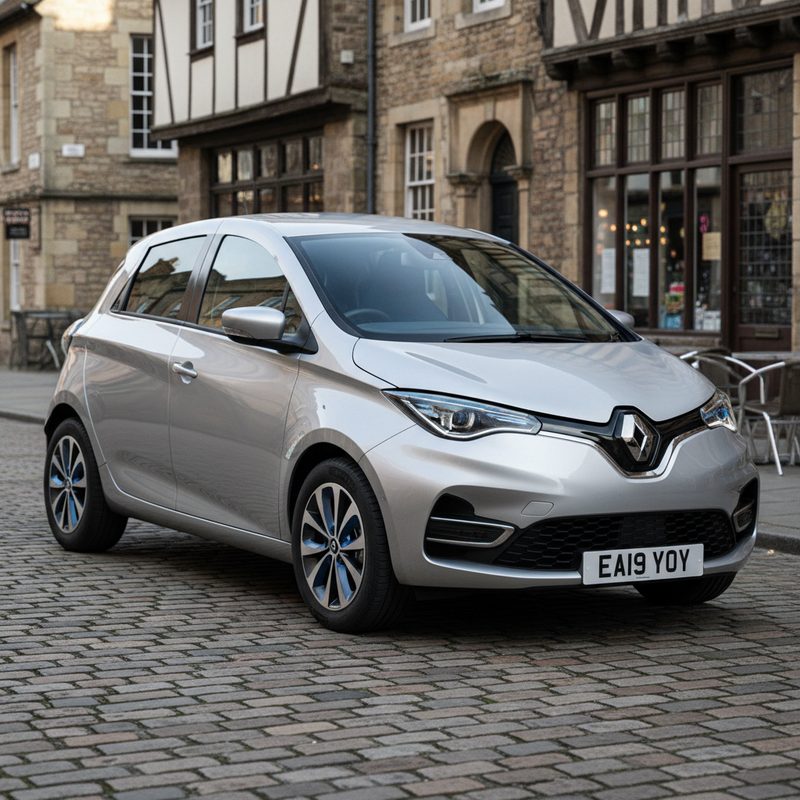
Renault Zoe R135 Used Buying Guide UK
This comprehensive guide provides insights into buying a used Renault Zoe R135, focusing on battery health, charging costs, and common issues.
Introduction to the Renault Zoe R135
The Renault Zoe R135 is a popular choice among electric vehicle (EV) enthusiasts in the UK, known for its practicality, affordability, and impressive range. As the electric vehicle market continues to grow, the Zoe has established itself as a reliable option for those looking to transition from petrol or diesel cars. This guide aims to provide you with all the necessary information to make an informed decision when purchasing a used Renault Zoe R135.
The Zoe R135, which features a 52 kWh battery, offers a real-world range of approximately 245 miles on a single charge, making it suitable for both urban commuting and longer journeys. However, as with any used vehicle, there are several factors to consider before making a purchase, particularly regarding battery health, charging infrastructure, and potential issues specific to this model.
Understanding Battery Health
One of the most critical aspects of buying a used electric vehicle is understanding the health of the battery. The battery is the heart of any EV, and its condition directly impacts the vehicle's performance and range. The Renault Zoe R135 uses a lithium-ion battery, which, like all batteries, can degrade over time.
What to Check
When inspecting a used Renault Zoe, it’s essential to check the battery's state of health (SoH). A healthy battery should ideally retain around 80% of its original capacity after several years of use. You can obtain this information through a diagnostic tool or by asking the seller for a battery health report. Additionally, you can check the vehicle's service history for any battery replacements or significant repairs.
Another important factor is the battery warranty. Renault typically offers an eight-year or 100,000-mile warranty on the battery, which can provide peace of mind when purchasing a used vehicle. Make sure to verify whether the warranty is still valid and what it covers.
Expectations for Battery Degradation
Battery degradation can vary significantly based on usage patterns, charging habits, and environmental factors. For instance, frequent rapid charging can accelerate degradation. According to various studies, the Renault Zoe's battery can lose about 1-2% of its capacity per year under normal usage. Therefore, if you’re considering a model that’s a few years old, expect some loss in range, but not enough to make it unusable.
For a deeper understanding of battery health in electric vehicles, you might want to check out the Used BMW i3: Battery Degradation What To Expect guide, which provides insights applicable to various EVs.
Real-World Range vs Manufacturer Claims
While the manufacturer claims a range of up to 245 miles for the Zoe R135, real-world conditions often tell a different story. Factors such as driving style, terrain, and weather conditions can significantly affect the actual range.
Factors Influencing Range
In urban settings, the Zoe can perform well, with regenerative braking helping to extend the range. However, on the motorway, speeds above 70 mph can lead to a noticeable drop in range. Cold weather can also impact battery performance, reducing the effective range by up to 20%.
User Experiences
Many owners report achieving around 200 miles in mixed driving conditions, which is still commendable. It’s advisable to consider your typical driving patterns when evaluating the Zoe's suitability for your needs. If you frequently undertake longer journeys, ensure that the range aligns with your expectations.
For further insights into how real-world performance stacks up against manufacturer claims, consider exploring the Used BMW i3: Used Buying Guide Battery Health.
Charging Costs and Infrastructure
Charging costs are a significant consideration for any EV buyer. The Renault Zoe R135 can be charged at home, at public charging stations, or via rapid chargers, each with varying costs and times.
Home Charging
Charging at home is generally the most cost-effective option. If you have a dedicated home charging point, you can expect to pay around 5-15 pence per kWh, depending on your electricity tariff. For a full charge of the 52 kWh battery, this translates to approximately £2.60 to £7.80, depending on your energy provider.
Public Charging
Public charging stations can vary widely in terms of cost. Some offer free charging, while others may charge up to 40 pence per kWh. Rapid chargers can charge the Zoe to 80% in about 1 hour, making them convenient for longer trips. However, the costs can add up, so it’s wise to factor these into your overall running costs.
For a detailed breakdown of charging costs specific to the Renault Zoe, refer to the Used Renault Zoe: Charging Costs Guide.
Charging Infrastructure
The UK has made significant strides in expanding its EV charging infrastructure. As of now, there are thousands of public charging points across the country, with many located in urban areas, shopping centres, and service stations. Apps like Zap-Map can help you locate nearby charging stations and check their availability in real-time.
Common Problems Specific to the Renault Zoe
While the Renault Zoe R135 is generally regarded as reliable, like any vehicle, it can have its share of issues. Being aware of these can save you time and money in the long run.
Known Issues
Some owners have reported problems with the vehicle's electronics, particularly with the infotainment system and dashboard displays. Software glitches can occasionally occur, but these are often resolved through updates. Another common issue is related to the charging port, which can become loose over time, leading to charging difficulties.
Battery Management System
The battery management system (BMS) is crucial for maintaining battery health, and any faults in this system can lead to reduced performance. It’s advisable to check if the vehicle has had any BMS updates or repairs during its service history.
Warranty Considerations
If you’re buying a used Zoe, ensure that any outstanding recalls have been addressed. You can check the vehicle's history using the GOV.UK DVLA check to see if there are any unresolved issues.
Running Cost Savings vs Petrol/Diesel
One of the most appealing aspects of owning an electric vehicle is the potential for savings on running costs compared to traditional petrol or diesel vehicles. The Renault Zoe R135 is no exception.
Fuel Savings
With petrol prices fluctuating, the cost of running a petrol or diesel vehicle can be significant. In contrast, the cost of charging an EV is generally much lower. For instance, if you were to drive 10,000 miles a year, you might spend around £1,000 on electricity for the Zoe, compared to £1,500 or more on petrol for a conventional car, depending on fuel prices and efficiency.
Maintenance Costs
Electric vehicles typically have lower maintenance costs due to fewer moving parts. The Zoe does not require oil changes, and brake wear is reduced thanks to regenerative braking. However, it’s essential to budget for tyre replacements and other consumables, which can still add up.
Insurance Considerations
Insurance costs can vary significantly for EVs. The Renault Zoe is generally rated in the lower insurance groups, making it more affordable to insure compared to many petrol or diesel vehicles. You can check specific insurance group ratings on the Thatcham insurance groups website.
Dave's Verdict: Is It Worth Going Electric?
The Renault Zoe R135 presents a compelling case for those considering a switch to electric. With its impressive range, low running costs, and the environmental benefits of driving an EV, it’s an excellent choice for many drivers. However, potential buyers should be diligent in checking battery health, understanding charging costs, and being aware of common issues.
If you’re contemplating a used Renault Zoe, I recommend checking any vehicle with my free EV health report. This tool can provide you with valuable insights into the battery's condition and overall vehicle health, ensuring you make a well-informed decision.
In conclusion, the Renault Zoe R135 stands out as a practical and economical choice in the used EV market. By doing your homework and understanding the nuances of electric vehicle ownership, you can enjoy the benefits of going electric without the pitfalls that sometimes accompany used car purchases.
With the right information and preparation, you can confidently navigate the used car market and find a Renault Zoe that meets your needs and budget.