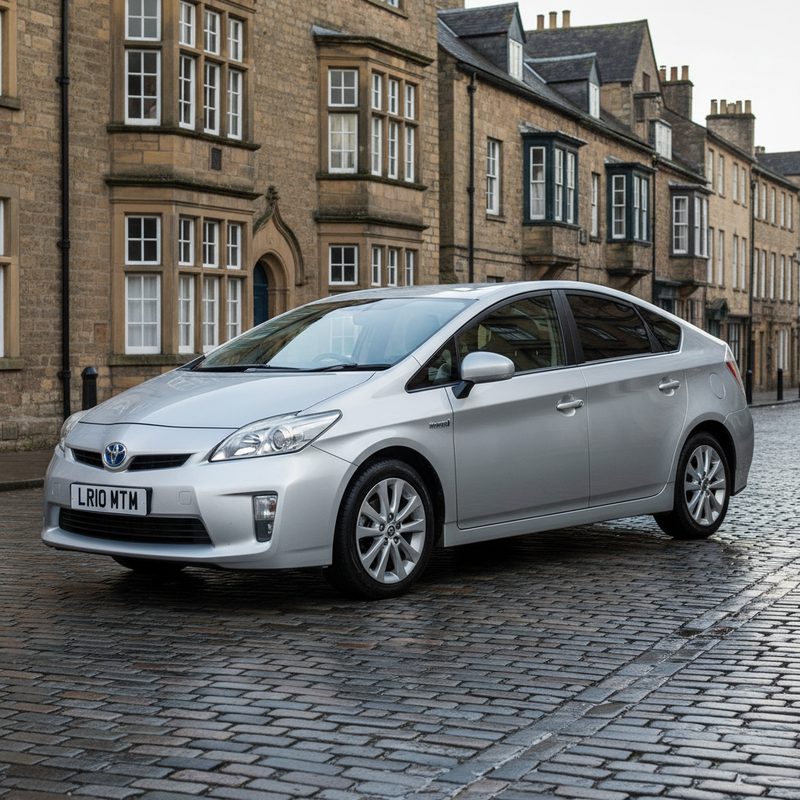
Toyota Prius Used Buying Guide — Hybrid Pioneer Still Relevant
The Toyota Prius remains a strong contender in the hybrid market. This guide covers essential aspects to consider when buying a used Prius, from battery health to running costs.
Introduction
The Toyota Prius has long been a symbol of hybrid technology, often regarded as the pioneer of eco-friendly motoring. Since its introduction, it has evolved through various generations, each iteration improving on the last in terms of efficiency, comfort, and technology. For those considering a used Prius, understanding its strengths and weaknesses is crucial to making an informed decision. This guide dives deep into the essential aspects of buying a used Toyota Prius, ensuring you know what to look for and what to expect.
Battery Health — What to Check and Expect
One of the most critical components of any hybrid vehicle is its battery. The Toyota Prius uses a nickel-metal hydride (NiMH) battery in most of its models, which is known for its durability but can still degrade over time. When considering a used Prius, it’s essential to check the battery health thoroughly.
What to Look For
When inspecting a used Prius, ask the seller for any documentation regarding the battery's health. Many owners may have had their batteries tested, and this information can be invaluable. A well-maintained battery should retain at least 70-80% of its original capacity. If the battery capacity is significantly lower, it may indicate that the vehicle has been poorly maintained or has high mileage.
Diagnostic Tools
Consider using diagnostic tools that can read the battery's state of health. Some garages offer battery health checks specifically for hybrids. Additionally, you can check the vehicle's history via the GOV.UK DVLA check to see if there have been any previous battery-related issues.
Replacement Costs
If you find that the battery is nearing the end of its life, be prepared for replacement costs that can range from £1,500 to £3,000, depending on the model and where you source the battery. Toyota does offer warranties on their hybrid batteries, typically lasting up to 8 years or 100,000 miles, so check if the vehicle you’re considering is still under warranty.
Real-World Range vs Manufacturer Claims
The Prius is known for its impressive fuel economy, but real-world performance can differ from manufacturer claims. Toyota advertises that the Prius can achieve around 70-80 miles per gallon (mpg) under optimal conditions. However, various factors can affect this figure, including driving style, terrain, and load.
Understanding Real-World Conditions
In urban settings, the Prius excels, often achieving closer to the higher end of the mpg spectrum. However, on motorways, where speeds are higher, the fuel efficiency may drop significantly. Many drivers report averages of around 50-60 mpg in mixed driving conditions, which is still commendable compared to traditional petrol or diesel vehicles.
Factors Influencing Range
The driving mode can also influence the range. The Prius features different driving modes, such as Eco and EV mode, which can help maximise efficiency. However, relying solely on EV mode is often impractical for longer journeys, as the electric-only range is limited to about 1-2 miles before the petrol engine kicks in.
Real-World Testing
Before making a purchase, consider asking the seller about their driving experience with the vehicle. Real-world feedback can provide insights into what you can expect in terms of fuel economy. Additionally, forums and user reviews can offer a wealth of information on how different Prius models perform in everyday conditions.
Charging Costs and Infrastructure
While the Prius is primarily a hybrid vehicle, understanding the charging aspect is still relevant, especially for plug-in hybrid variants like the Prius Plug-in. Charging costs can vary significantly based on your electricity provider and charging habits.
Home Charging
For those who opt for a plug-in hybrid, charging at home is the most convenient option. The average cost of electricity in the UK is around 14p per kWh. If the Prius Plug-in has a battery capacity of approximately 8.8 kWh, a full charge would cost about £1.23. This can provide an electric-only range of around 30 miles, which is ideal for short commutes.
Public Charging Infrastructure
The UK has been improving its charging infrastructure, with numerous public charging points available. However, the availability of charging stations can vary by region. Apps like Zap-Map can help locate nearby charging points, and understanding the costs associated with public charging is essential. Some public chargers may charge per hour, while others may have a flat fee.
Cost Comparison
When comparing the running costs of a used Prius to traditional petrol or diesel vehicles, the savings can be significant. With petrol prices averaging around £1.30 per litre, the cost per mile for a petrol vehicle can be considerably higher than that of a Prius, especially when factoring in the potential for free or low-cost charging options.
Common Problems Specific to the Prius
Like any vehicle, the Toyota Prius is not immune to issues. While it is generally regarded as reliable, there are some common problems that potential buyers should be aware of.
Brake Issues
One of the most frequently reported issues involves the brake system. Some owners have experienced premature wear on the brake pads and rotors, particularly in earlier models. It's advisable to check the brake components during a pre-purchase inspection and ask about any previous brake work that has been done.
Inverter Problems
Another concern is the inverter, which converts the battery's DC power to AC power for the electric motor. Some models have been known to experience inverter failures, which can be costly to repair. Look for any service history that indicates the inverter has been checked or replaced.
Software Updates
The Prius also relies heavily on software for its hybrid system. Occasionally, software glitches can occur, leading to warning lights on the dashboard. Ensure that the vehicle has received all necessary software updates, as these can often resolve minor issues and improve performance.
General Wear and Tear
As with any used car, general wear and tear should be considered. Check for signs of rust, particularly on older models, and inspect the interior for excessive wear. A thorough inspection can help identify any potential issues before they become more significant problems.
Running Cost Savings vs Petrol/Diesel
One of the most appealing aspects of owning a Toyota Prius is the potential for significant savings on running costs compared to traditional petrol or diesel vehicles. The combination of high fuel efficiency and lower maintenance costs makes the Prius an attractive option for budget-conscious buyers.
Fuel Efficiency
As mentioned earlier, the Prius can achieve impressive fuel economy figures. In contrast, many petrol vehicles average around 35-45 mpg, while diesel vehicles may achieve slightly better figures. Over time, these savings can add up, especially for those who drive long distances regularly.
Tax Benefits
In the UK, hybrid vehicles like the Prius benefit from lower road tax rates compared to their petrol and diesel counterparts. The tax band for a Prius is often significantly lower, resulting in annual savings of £100 or more. Additionally, some local councils offer incentives for hybrid vehicles, such as reduced parking fees or access to congestion charge zones.
Maintenance Costs
Maintenance costs for the Prius are generally lower than those for traditional vehicles. The hybrid system often requires less frequent servicing, and many parts are designed for longevity. However, it’s essential to factor in potential battery replacement costs, which can be a significant expense if the battery is nearing the end of its life.
Dave's Verdict — Is It Worth Going Electric?
The Toyota Prius has established itself as a reliable and efficient hybrid vehicle, making it a solid choice for those considering a used car. Its fuel efficiency, lower running costs, and eco-friendly credentials make it an appealing option for many drivers. However, potential buyers should be aware of the common issues associated with the model and ensure they conduct thorough checks before making a purchase.
Final Thoughts
In conclusion, if you’re considering a used Toyota Prius, take the time to assess battery health, real-world performance, and any common problems associated with the model. With the right research and preparation, you can find a reliable hybrid that meets your needs. Don’t forget to check any Toyota Prius with Dave's free EV health report to ensure you’re making a smart investment. The Prius may have been a pioneer in hybrid technology, but it still holds its ground in the current market, offering a blend of efficiency, practicality, and savings that many drivers will find appealing.
Additional Resources
For further insights into hybrid vehicles, consider checking out our guide on the used BMW i3 — common problems before buying or the used BMW i3 — running costs vs petrol. These resources can provide additional context and help you make a more informed decision when considering a hybrid vehicle.
Check Toyota Prius, instantly with Dave's free vehicle intelligence report.
Check any Toyota Prius with Dave's free EV health report