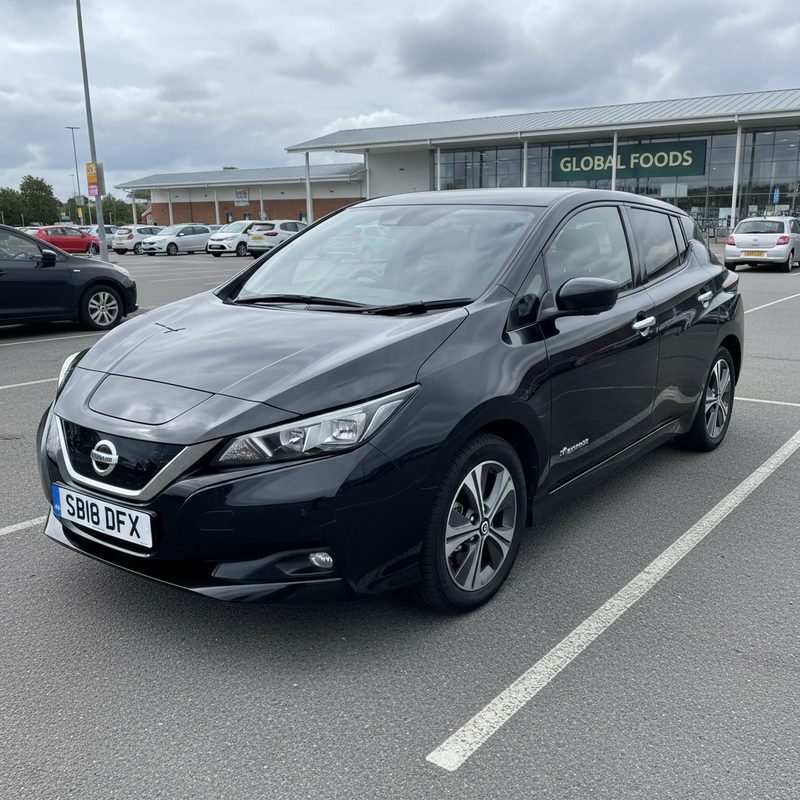
Used Nissan Leaf Buying Guide: What to Check
This guide covers everything you need to know before buying a used Nissan Leaf, from battery health to common problems and running costs.
Introduction
The Nissan Leaf has become a household name in the electric vehicle (EV) market, known for its practicality, affordability, and eco-friendliness. If you're considering a used Nissan Leaf, you're not alone; many buyers are making the switch to electric for various reasons, including lower running costs and reduced environmental impact. However, buying a used EV comes with its own set of challenges and considerations that differ from traditional petrol or diesel vehicles. In this guide, we’ll delve into the critical aspects you need to check before making your purchase, ensuring you make an informed decision.
Battery Health: What to Check and Expect
One of the most crucial factors to consider when buying a used Nissan Leaf is the health of its battery. Unlike traditional cars, the battery is the heart of an electric vehicle, and its condition can significantly affect your driving experience.
Understanding Battery Degradation
Battery degradation is a natural process that occurs over time, and it’s essential to understand how much capacity a used Leaf has lost. Typically, a Nissan Leaf battery can last between 8 to 10 years, depending on usage and charging habits. You should expect some degradation, but ideally, you want a Leaf that retains at least 70-80% of its original battery capacity.
How to Check Battery Health
When inspecting a used Leaf, ask the seller for the battery health report. This can often be found in the car's onboard diagnostics or through an app that interfaces with the vehicle. You can also check the battery capacity through a DVLA vehicle check to see if there have been any reported issues.
Additionally, consider using Dave's free EV health report, which can provide you with a comprehensive overview of the battery's condition. This report can help you gauge whether the Leaf is worth your investment or if you should keep looking.
If you are weighing up alternatives, our guide to Best Used Electric Cars Under £25,000 UK 2025 covers similar ground from a different angle.
Signs of a Problematic Battery
Be on the lookout for warning signs that may indicate battery issues. If the car has a significantly reduced range compared to what the seller claims, or if it takes longer to charge than expected, these could be red flags. A well-maintained Leaf should offer a range of around 100-150 miles on a full charge, depending on the model year and battery size. If the range is significantly lower, it’s worth investigating further.
Real-World Range vs Manufacturer Claims
When it comes to electric vehicles, the manufacturer’s claimed range often differs from real-world performance. Nissan advertises the Leaf as having a range of up to 239 miles for the latest models, but this is under ideal conditions. Factors such as driving style, weather, and terrain can all impact the actual range.
What to Expect in Real-World Conditions
In everyday driving conditions, you might find that the Leaf's range is closer to 100-120 miles, especially in colder weather or if you frequently use the heating or air conditioning. If you’re planning to use the Leaf for longer commutes or road trips, it’s essential to factor in these variables.
Testing the Range
If possible, take the Leaf for a test drive and monitor the battery percentage as you drive. Pay attention to how the range indicator behaves under different driving conditions. If you notice a rapid decline in range, it may indicate battery health issues or inefficiencies in the vehicle.
For more on this topic, take a look at our Used Hyundai Ioniq Electric guide.
Charging Costs and Infrastructure
Charging costs are another critical consideration when buying a used Nissan Leaf. While electric vehicles are generally cheaper to run than petrol or diesel cars, understanding the charging infrastructure and costs can help you budget more effectively.
Home Charging vs Public Charging
If you have off-street parking, installing a home charging point can significantly reduce your charging costs. A typical home charger can charge a Leaf from empty to full in about 7-8 hours, depending on the model. The cost of charging at home can vary, but on average, it’s around £5-£7 for a full charge, translating to roughly 3-5 pence per mile.
Public charging, on the other hand, can be more expensive. Rapid chargers can cost between £0.30 to £0.60 per kWh, which can add up quickly if you rely on them for daily use. Always check the charging network in your area and consider signing up for membership schemes that can offer discounted rates.
Charging Infrastructure in the UK
The UK has made significant strides in expanding its EV charging infrastructure, with thousands of charging points available across the country. Websites like AutoTrader can help you locate nearby charging stations. However, it’s wise to plan your routes and charging stops, especially if you’re travelling outside urban areas where charging points may be sparse.
You might also find our ULEZ Compliant Used Cars guide useful alongside this one.
Common Problems Specific to the Nissan Leaf
Like any vehicle, the Nissan Leaf has its share of common issues that prospective buyers should be aware of. Understanding these problems can help you make a more informed decision and potentially save you from costly repairs down the line.
Known Issues to Look For
One common issue with older Nissan Leaf models is the failure of the 12V battery, which powers the car's electronics. If the 12V battery is weak or dead, it can lead to various electrical problems. Always check the condition of this battery during your inspection.
Another issue that has been reported is related to the car’s regenerative braking system. If you notice any unusual sounds or a lack of responsiveness when braking, it’s worth having a technician take a closer look.
Checking for Recalls
Before finalising your purchase, check if the specific Leaf model has any outstanding recalls. You can do this through the GOV.UK MOT history website, which provides information on recalls and any past issues. If there are any recalls, ensure they have been addressed before you buy.
We have covered related ground in our Used Renault Zoe guide, which is worth reading if this subject interests you.
Running Cost Savings vs Petrol/Diesel
One of the primary reasons many people switch to electric vehicles is the potential for significant savings on running costs. The Nissan Leaf is no exception, offering lower fuel and maintenance costs compared to traditional petrol or diesel cars.
Fuel Savings
With the average cost of petrol hovering around £1.40 per litre, the savings from switching to an electric vehicle can be substantial. As mentioned earlier, charging a Leaf can cost you around £5-£7 for a full charge, which translates to a cost of about 3-5 pence per mile. In contrast, petrol vehicles can cost upwards of 12-15 pence per mile, depending on fuel efficiency.
Maintenance Costs
Electric vehicles generally have fewer moving parts than their petrol or diesel counterparts, which can lead to lower maintenance costs. The Leaf doesn’t require oil changes, and brake wear is reduced thanks to regenerative braking. However, you should still budget for regular maintenance checks, especially for the battery and electrical systems.
Tax Benefits
Another financial incentive for owning an electric vehicle is the exemption from road tax for cars under a certain price threshold. As of now, the Nissan Leaf falls into this category, meaning you can save on annual road tax costs. Check the GOV.UK road tax website for the latest information on tax exemptions and rates.
Dave's Verdict: Is It Worth Going Electric?
The Nissan Leaf is a solid choice for anyone considering a switch to electric. With its practical design, decent range, and lower running costs, it offers a compelling alternative to traditional vehicles. However, it’s essential to do your homework before making a purchase.
Final Thoughts
Before you buy a used Nissan Leaf, ensure you check the battery health, understand the real-world range, and be aware of the charging costs and infrastructure. Don’t forget to look for common issues and check for any recalls. By taking these steps, you can make a more informed decision and enjoy the benefits of electric driving.
In conclusion, if you’re ready to make the leap to electric, the Nissan Leaf is worth considering. Just remember to use Dave's free EV health report to get a comprehensive overview of the vehicle’s condition before you commit. Happy car hunting!