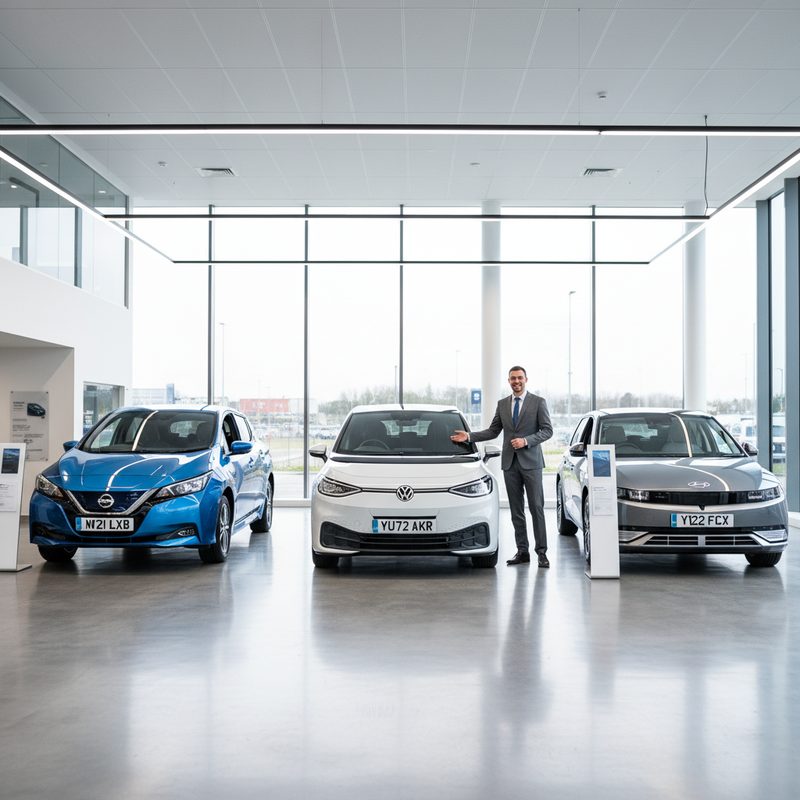
ULEZ Compliant Used Cars: Cheapest Options That Pass
Looking for a ULEZ compliant used car that won't drain your wallet? Explore the best options available and how to make an informed choice.
Understanding ULEZ and Its Impact on Car Buyers
The Ultra Low Emission Zone (ULEZ) was introduced in London to tackle air pollution and encourage drivers to switch to cleaner vehicles. If you’re considering a used car, it’s crucial to know whether it meets ULEZ standards. As of now, petrol cars must meet Euro 4 standards, while diesel vehicles need to comply with Euro 6. This means that many older models will be subject to daily charges if they don’t meet these criteria, which can add up quickly, making your bargain buy less of a steal.
So, what’s a savvy buyer to do? Well, you’ll want to focus on vehicles that are not only ULEZ compliant but also fit your budget. Luckily, there are plenty of options out there that won’t have you reaching for your wallet every time you drive into the zone. Let’s dive into the cheapest ULEZ compliant used cars that are currently available and what you should keep in mind when making your choice.
The Best ULEZ Compliant Used Cars on a Budget
Electric Vehicles (EVs)
Electric vehicles are the poster children of ULEZ compliance. They produce zero tailpipe emissions, which means they can zip around London without incurring any charges. Here are some of the most affordable options:
1. Used BMW i3
The BMW i3 has been a popular choice since its launch. With its quirky design and impressive electric range of around 160 miles, it’s perfect for city driving. Prices for a used i3 can start as low as £10,000, depending on the model year and mileage. Plus, it’s packed with tech and has a surprisingly spacious interior for a compact car. If you’re curious about the running costs, check out our guide on Used BMW i3: Running Costs Vs Petrol.
2. Used Renault Zoe
The Renault Zoe is another fantastic option, especially for those who want a practical hatchback. With a real-world range of about 200 miles, it’s ideal for both urban and suburban driving. Prices can start around £8,000 for earlier models, making it one of the cheapest EVs on the market. If you’re concerned about charging costs, our detailed guide on Used Renault Zoe: Charging Costs Guide can help you understand what to expect.
3. Used Nissan Leaf
The Nissan Leaf has been a staple in the EV market for years. With a range of up to 150 miles, it’s practical and reliable. You can find used models starting from around £9,000. The Leaf also benefits from a large community of owners, meaning you’ll find plenty of resources and support if you need it.
Hybrid Vehicles
If you’re not quite ready to go full electric, hybrids are a great compromise. They typically combine a petrol engine with an electric motor, offering better fuel efficiency and lower emissions. Here are a couple of budget-friendly hybrids:
4. Used Toyota Prius
The Toyota Prius is synonymous with hybrid technology. Known for its reliability and fuel efficiency, it’s a solid choice for those looking to save on running costs. Prices for used Priuses can start from around £8,500. Plus, they have a spacious interior and a decent boot, making them family-friendly.
5. Used Honda Insight
The Honda Insight offers a more conventional look compared to the Prius but still boasts impressive fuel economy. With prices starting around £9,000, it’s a great option for those who want a hybrid without the quirky design of some other models. The Insight is also known for its reliability, which is always a bonus.
Battery Health: What to Check and Expect
When buying a used electric or hybrid vehicle, battery health is paramount. A car’s battery is its lifeblood, and if it’s on its last legs, you could be in for a nasty surprise. Most EVs and hybrids come with warranties that cover battery performance for a certain number of years or miles, but it’s essential to check the specifics.
For instance, the BMW i3’s battery typically lasts around 8-10 years, but you’ll want to check the state of health (SoH) when considering a used model. A good SoH is usually above 80%. If you’re unsure how to assess battery health, our guide on Used BMW i3: Battery Degradation What To Expect can provide valuable insights.
Key Indicators of Battery Health
- Range: If the car’s range is significantly lower than what’s advertised, it could indicate battery degradation.
- Charging Time: If the vehicle takes longer than usual to charge, it might be a sign of battery issues.
- Battery Management System (BMS): Ensure the BMS is functioning correctly, as it monitors the battery’s health and performance.
Real-World Range vs Manufacturer Claims
One of the biggest discrepancies in the EV world is the difference between the manufacturer’s claimed range and what you can realistically expect in everyday driving. Factors such as driving style, weather conditions, and even the use of air conditioning can all impact range.
For example, while the Renault Zoe might claim a range of 250 miles under ideal conditions, real-world usage often sees that drop to around 200 miles, especially in colder weather. It’s essential to factor this into your decision-making process. If you regularly make long trips, you might want to consider a model with a bit more range.
Tips for Maximising Range
- Drive Smoothly: Aggressive acceleration and braking can drain your battery faster.
- Use Eco Mode: Many EVs have an eco mode that optimises performance for efficiency.
- Plan Your Routes: If you know you’ll be driving in areas with charging points, you can plan your trips accordingly.
Charging Costs and Infrastructure
Charging your EV or hybrid can be a bit of a minefield, especially with various charging networks and pricing structures. Understanding the costs involved is crucial for budgeting.
Home Charging vs Public Charging
- Home Charging: If you have a driveway, installing a home charger can be cost-effective. The average cost of electricity in the UK is around 14p per kWh, meaning a full charge for a vehicle with a 40 kWh battery would cost about £5.60.
- Public Charging: Public charging can vary widely in cost. Some networks charge by the minute, while others charge per kWh. It’s essential to check the pricing structure of the charging network you plan to use.
Finding Charging Points
Apps like Zap-Map can help you locate charging points, and many EVs come with built-in navigation systems that can direct you to the nearest charger. However, always check the availability and compatibility of the charging points, as not all chargers are suitable for every vehicle.
Common Problems Specific to EVs and Hybrids
While electric and hybrid vehicles are generally reliable, they aren’t without their issues. Here are some common problems to watch out for:
Battery Issues
As mentioned earlier, battery health is crucial. Look for signs of degradation and ensure the battery has been well-maintained. Some models may also experience software glitches that can affect performance.
Charging Problems
Issues with charging ports or cables can arise, especially in older models. Ensure the charging equipment is in good condition and that the vehicle can charge without issues.
Brake Wear
Regenerative braking systems in hybrids and EVs can reduce wear on brake pads, but they still require maintenance. Check the condition of the brakes during your inspection.
Software Updates
Some EVs require regular software updates to optimise performance. Ensure that any updates have been completed, as this can affect the vehicle's efficiency and range.
Running Cost Savings vs Petrol/Diesel
One of the most appealing aspects of owning an electric or hybrid vehicle is the potential for savings on running costs. Let’s break down the numbers:
Fuel Costs
- Electric Vehicles: As mentioned, charging a 40 kWh battery at home costs around £5.60. In contrast, petrol prices can hover around £1.30 per litre. If your petrol car averages 40 mpg, you’d spend about £10 for the same distance.
- Hybrids: While hybrids still use petrol, they’re generally more efficient than traditional combustion engines. You can expect to save around 30-50% on fuel costs compared to a petrol or diesel equivalent.
Maintenance Costs
Electric vehicles typically have lower maintenance costs due to fewer moving parts. There’s no need for oil changes, and brake wear is reduced thanks to regenerative braking. However, it’s essential to keep an eye on battery health and charging systems.
Tax Benefits
ULEZ compliant vehicles often benefit from lower road tax rates. For instance, many electric vehicles are exempt from road tax altogether, while hybrids may fall into lower tax bands. You can check your vehicle’s tax status on the GOV.UK road tax checker.
Dave's Verdict: Is It Worth Going Electric?
In my humble opinion, making the switch to an electric or hybrid vehicle is worth it, especially if you’re in or around London. Not only do you save on ULEZ charges, but you also benefit from lower running costs and contribute to a cleaner environment. Plus, with the growing infrastructure for charging and the increasing availability of affordable used options, there’s never been a better time to consider going electric.
However, it’s essential to do your homework. Check the battery health, understand the real-world range, and factor in charging costs. If you’re unsure about a specific model, don’t hesitate to check out our free vehicle intelligence report to get the lowdown on any electric car you’re considering.
In conclusion, whether you opt for a used BMW i3, a Renault Zoe, or a hybrid like the Toyota Prius, you’ll be making a smart choice that aligns with both your budget and environmental goals. Happy car hunting, and may your next ride be both economical and eco-friendly!