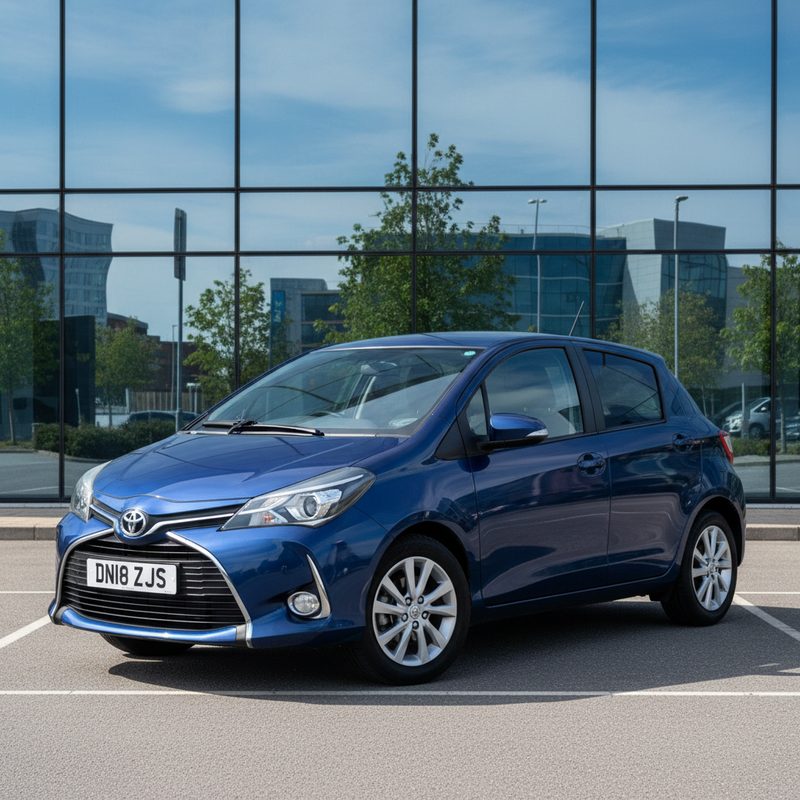
Toyota Yaris Hybrid Used Buying Guide — Best Self-Charging Buy
Discover everything you need to know about purchasing a used Toyota Yaris Hybrid, from battery health to running costs, ensuring a smart buy.
Introduction to the Toyota Yaris Hybrid
The Toyota Yaris Hybrid has carved a niche for itself as a reliable, efficient, and practical choice for those looking to dip their toes into the world of hybrid vehicles. Known for its self-charging capabilities, this compact hatchback combines the benefits of electric driving with the convenience of a petrol engine. As a used car buyer, understanding the nuances of the Yaris Hybrid will help you make an informed decision. This guide will delve into various aspects of the Yaris Hybrid, including battery health, real-world range, charging infrastructure, common issues, and running costs compared to petrol and diesel alternatives.
Battery Health — What to Check and Expect
When considering a used Toyota Yaris Hybrid, the health of the battery is paramount. Unlike fully electric vehicles, hybrids like the Yaris use a combination of a petrol engine and an electric motor, which means the battery plays a crucial role in overall performance and efficiency. The Yaris Hybrid typically features a nickel-metal hydride (NiMH) battery, which is known for its durability but can still experience degradation over time.
Key Indicators of Battery Health
-
Battery Capacity: The Yaris Hybrid's battery capacity is usually around 1.5 kWh. When inspecting a used model, ask for the battery’s state of health (SoH) report, which indicates how much capacity remains compared to when it was new. A healthy battery should retain at least 80% of its original capacity.
-
Charging Cycles: Like any rechargeable battery, the Yaris Hybrid's battery undergoes charging cycles. A well-maintained battery will have fewer cycles, which generally translates to better longevity. Check the service history for any battery replacements or issues.
-
Warning Lights: Pay attention to any warning lights on the dashboard during your test drive. A battery warning light could indicate underlying issues that may require immediate attention.
-
Battery Warranty: Toyota typically offers an 8-year warranty on hybrid batteries, which can provide peace of mind. If the car you’re considering is still under warranty, that’s a bonus.
-
Free EV Health Report: To ensure you’re making a wise investment, consider checking any Yaris Hybrid with Dave's free EV health report. This comprehensive assessment can provide insights into the battery's condition and overall vehicle performance.
Real-World Range vs Manufacturer Claims
One of the most common misconceptions about hybrid vehicles is their range. The Toyota Yaris Hybrid boasts a manufacturer-claimed combined fuel economy of around 70-80 mpg, which translates to a real-world electric-only range of approximately 1-2 miles. However, when combined with the petrol engine, you can expect a total range of about 500 miles on a full tank and a fully charged battery.
Understanding Real-World Performance
In practice, the real-world range can vary significantly based on driving habits, terrain, and weather conditions. For instance, urban driving tends to yield better fuel economy due to frequent stop-and-go conditions, allowing the electric motor to take over more often. Conversely, highway driving may see a dip in efficiency as the petrol engine takes precedence.
It's essential to test drive the vehicle in various conditions to gauge its performance. While the Yaris Hybrid is designed for efficiency, understanding its limitations will help you manage your expectations. If you frequently drive long distances, consider how the hybrid's range aligns with your needs.
Charging Costs and Infrastructure
One of the appealing aspects of the Toyota Yaris Hybrid is its self-charging capability. Unlike fully electric vehicles, the Yaris Hybrid does not require plugging in to charge. Instead, it uses regenerative braking and the petrol engine to recharge the battery. However, understanding the costs associated with charging and the available infrastructure can help you make a more informed decision.
Charging Costs
Since the Yaris Hybrid primarily charges itself, you won't incur traditional charging costs like you would with a fully electric vehicle. However, it’s worth noting that if you do plug in for a top-up at a public charging station, the costs can vary. Typically, charging at home using a standard socket may cost around £1-£2 for a full charge, depending on your electricity rates.
Charging Infrastructure
While the Yaris Hybrid doesn’t rely on charging stations, it’s still useful to be aware of the charging infrastructure in your area. If you ever consider upgrading to a fully electric vehicle in the future, having access to reliable charging points will be crucial. Websites like AutoTrader can help you locate nearby charging stations.
Common Problems Specific to the Yaris Hybrid
Every car has its quirks, and the Toyota Yaris Hybrid is no exception. While it is generally regarded as a reliable vehicle, there are some common issues that potential buyers should be aware of.
Potential Issues
-
Battery Degradation: As mentioned earlier, battery health is critical. Over time, the battery may lose capacity, affecting performance. Regular checks and maintenance can mitigate this risk.
-
Brake System: Some owners have reported issues with the brake system, particularly the regenerative braking feature. Listen for unusual noises during test drives, and ensure the brakes feel responsive.
-
Electrical Problems: Given the hybrid nature of the Yaris, electrical issues can arise. Look out for any dashboard warning lights and ensure all electronic features are functioning correctly.
-
Interior Wear and Tear: Depending on the age and mileage of the vehicle, the interior may show signs of wear. Check for any unusual wear on the seats, dashboard, and controls, as this can indicate how well the previous owner maintained the car.
-
Service History: Always request a full service history. This will give you insight into how well the car has been cared for and whether any common issues have been addressed.
For a deeper dive into potential problems with other hybrid models, check out our guide on Used BMW i3 — Common Problems Before Buying.
Running Cost Savings vs Petrol/Diesel
One of the primary reasons buyers consider hybrid vehicles like the Toyota Yaris is the potential for savings on running costs. The Yaris Hybrid offers significant advantages over traditional petrol and diesel vehicles, especially in urban settings.
Fuel Efficiency
With a combined fuel economy of around 70-80 mpg, the Yaris Hybrid can save you a considerable amount on fuel costs compared to petrol or diesel alternatives, which typically average around 40-50 mpg. Over time, these savings can add up significantly, especially if you do a lot of city driving.
Road Tax and Insurance
Another financial benefit of the Yaris Hybrid is its lower road tax. As a low-emission vehicle, it often falls into the lower tax bands, meaning you could pay as little as £0-£20 annually, depending on the specific model and emissions. This is a stark contrast to many petrol and diesel vehicles, which can incur higher taxes.
Insurance costs for the Yaris Hybrid are also generally lower than those for traditional vehicles. The Thatcham insurance groups provide a useful reference for understanding how insurance costs are determined based on the vehicle's safety and security features. You can find more information on Thatcham insurance groups.
Maintenance Costs
Maintenance for the Yaris Hybrid is typically on par with conventional vehicles, but the hybrid system may require specialised knowledge. Regular servicing is crucial to keep the hybrid system functioning optimally. However, Toyota's reputation for reliability means you’re less likely to encounter major issues.
Dave's Verdict — Is It Worth Going Electric?
After weighing the pros and cons, the Toyota Yaris Hybrid stands out as an excellent choice for anyone looking to transition to hybrid driving without the hassle of plugging in. Its self-charging capability, combined with impressive fuel efficiency and low running costs, makes it a practical option for urban commuters and families alike.
However, it’s essential to consider your driving habits. If you frequently travel long distances, the Yaris Hybrid's range may not meet your needs. For city dwellers, though, it’s hard to beat the convenience and savings this little hatchback offers.
Ultimately, the decision to go hybrid should align with your lifestyle and budget. If you’re still on the fence, I highly recommend checking any Toyota Yaris Hybrid with Dave's free EV health report to ensure you’re making a sound investment. With the right knowledge and preparation, you can confidently navigate the used car market and find a Yaris Hybrid that suits your needs perfectly.
Conclusion
In summary, the Toyota Yaris Hybrid is a compelling option for those looking to embrace hybrid technology without the complexities of a fully electric vehicle. By understanding battery health, real-world range, charging costs, common problems, and running cost savings, you’ll be well-equipped to make an informed decision. Whether you’re commuting to work or running errands around town, the Yaris Hybrid offers a blend of efficiency, reliability, and practicality that’s hard to ignore. Happy car hunting!
Check Toyota Yaris Hybrid, instantly with Dave's free vehicle intelligence report.
Check any Toyota Yaris Hybrid with Dave's free EV health report