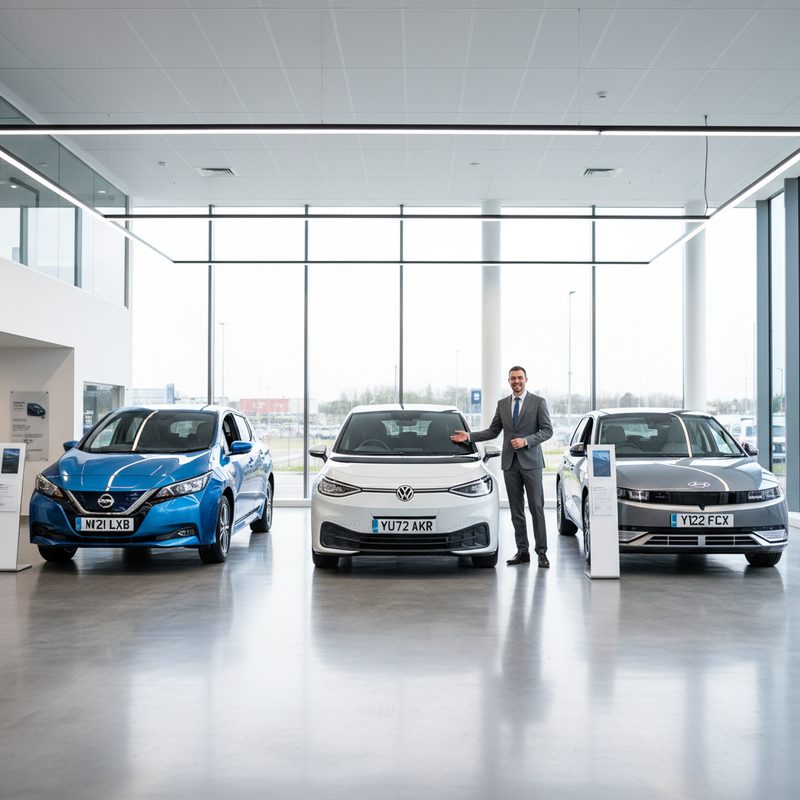
How Much Does It Cost to Charge an EV at Home UK 2025
Learn about the costs associated with charging an electric vehicle at home in the UK, including practical tips for saving money and understanding your energy usage.
Understanding the Basics of EV Charging Costs
Electric vehicles (EVs) are becoming increasingly popular in the UK, and for good reason. They offer a cleaner alternative to petrol and diesel cars, often with lower running costs. But one question that often pops up is: how much does it actually cost to charge an EV at home? Well, let’s dive into the nitty-gritty of charging costs, so you can make an informed decision when considering an electric vehicle.
First off, let’s talk about the basics. The cost of charging your EV at home primarily depends on two factors: the electricity rate you pay and the size of your car’s battery. In the UK, the average electricity cost is around 34p per kWh as of the latest figures. However, this can vary depending on your energy provider and the type of tariff you’re on. For instance, some providers offer cheaper rates during off-peak hours, which can be a great way to save money if you can charge your car overnight.
Calculating Charging Costs
To put it simply, the cost to charge your EV can be calculated using this formula:
Cost to Charge = Battery Capacity (kWh) x Electricity Rate (pence per kWh)
Let’s say you have a used BMW i3 with a battery capacity of 42 kWh. If you charge it from empty to full, it would cost you:
42 kWh x 34p = £14.28
Now, this is just a rough estimate and assumes you’re charging from completely empty, which isn’t usually the case. Most folks don’t let their batteries run down to zero, so you might find that your actual charging costs are lower.
Real-World Charging Scenarios
Let’s consider a few scenarios to give you a better idea of what to expect. If you drive an average of 30 miles a day, you might only need to charge your EV once or twice a week. The BMW i3, for example, has a real-world range of about 160 miles, so you could easily manage with a partial charge. If you only need to top up your battery by 20 kWh, your cost would be:
20 kWh x 34p = £6.80
Now, if you’re on a time-of-use tariff, you might be able to charge your car overnight when rates are lower. Some energy providers offer rates as low as 10p per kWh during off-peak hours, which could reduce your costs significantly. Charging your BMW i3 overnight could then cost:
20 kWh x 10p = £2.00
That’s a saving of £4.80 just by being a bit savvy about when you charge!
Charging Times and Infrastructure
Charging times can vary significantly depending on the type of charger you use. At home, you’ll typically be using a standard 3-pin plug or a dedicated home charging point. Let’s break it down:
3-Pin Plug Charging
Using a standard 3-pin plug, you can expect a charging rate of about 2.3 kW. This means that a full charge for your BMW i3 could take around 18 hours from empty to full. Not ideal if you need to use your car daily, but it’s a viable option for those who can charge overnight.
Home Charging Points
Investing in a dedicated home charging point can significantly reduce your charging time. Most home chargers provide between 3.7 kW to 7.4 kW, allowing you to charge your BMW i3 in about 4 to 8 hours, depending on the charger’s output. This is a much more practical solution for daily use.
Public Charging Infrastructure
While we’re focusing on home charging, it’s worth mentioning that the UK has been expanding its public charging infrastructure rapidly. Fast chargers can provide up to 22 kW or even 50 kW at some locations, allowing you to charge your car in a fraction of the time. However, these chargers typically come with a higher cost per kWh, so they’re best used in emergencies or for longer trips.
For those interested in the public charging landscape, you can check out resources like AutoTrader for maps of charging stations and their costs.
Common Problems with Charging EVs
Like any technology, charging an EV can come with its own set of challenges. Here are some common issues you might encounter:
Battery Degradation
Over time, your EV’s battery will naturally degrade, which can affect its range and charging efficiency. It’s crucial to monitor your battery health, especially if you’re considering a used EV. For example, the used BMW i3 — battery degradation what to expect guide can provide insights into how to assess battery health before making a purchase.
Charging Equipment Issues
Sometimes, the charging equipment can be the culprit. If you notice that your car isn’t charging as quickly as it should, it could be due to a faulty charger or issues with the electrical supply in your home. Always ensure your equipment is in good condition and consider consulting a professional if you suspect any problems.
Compatibility Problems
Not all EVs are compatible with every charging station. While most modern EVs can use standard charging points, older models might have limitations. Always check compatibility before heading out to charge.
Running Cost Savings Compared to Petrol/Diesel
One of the biggest draws of owning an EV is the potential savings on running costs compared to traditional petrol or diesel vehicles. Let’s break it down:
Fuel Costs
The average cost of petrol in the UK is around £1.40 per litre. If you have a petrol car that averages 40 miles per gallon, you’ll spend about £10 to drive 100 miles. In contrast, charging your EV for the same distance might only cost you around £3.50, depending on your charging rate and electricity costs. That’s a significant saving!
Maintenance Costs
EVs also tend to have lower maintenance costs. They have fewer moving parts than internal combustion engine vehicles, which means fewer things that can go wrong. You won’t have to worry about oil changes, fuel filters, spark plugs, or exhaust systems. This can lead to substantial savings over the lifespan of the vehicle.
Tax Benefits
Additionally, EV owners benefit from lower road tax rates. The UK government has various incentives for electric vehicle owners, including exemptions from road tax for zero-emission vehicles. You can check your vehicle’s tax status on the GOV.UK road tax checker.
Dave's Verdict — Is It Worth Going Electric?
So, is it worth making the switch to electric? In my opinion, absolutely! The savings on fuel and maintenance, combined with the environmental benefits, make a compelling case for going electric. Plus, with the UK government pushing for more EV infrastructure and incentives, it’s a great time to consider an electric vehicle.
However, it’s essential to do your homework. Before you commit, check the battery health of any used EV you’re considering. For instance, the used BMW i3 — used buying guide battery health can help you understand what to look for.
In conclusion, charging an EV at home can be cost-effective, especially if you’re savvy about your electricity rates and charging habits. With the right approach, you can enjoy all the benefits of electric driving without breaking the bank. So, if you’re considering an EV, don’t forget to check any electric car with Dave's free vehicle intelligence report for a deeper understanding of what you’re getting into. Happy driving!
Check any electric car with Dave's free vehicle intelligence report
Get Dave's free AI-powered vehicle check before you make a decision.