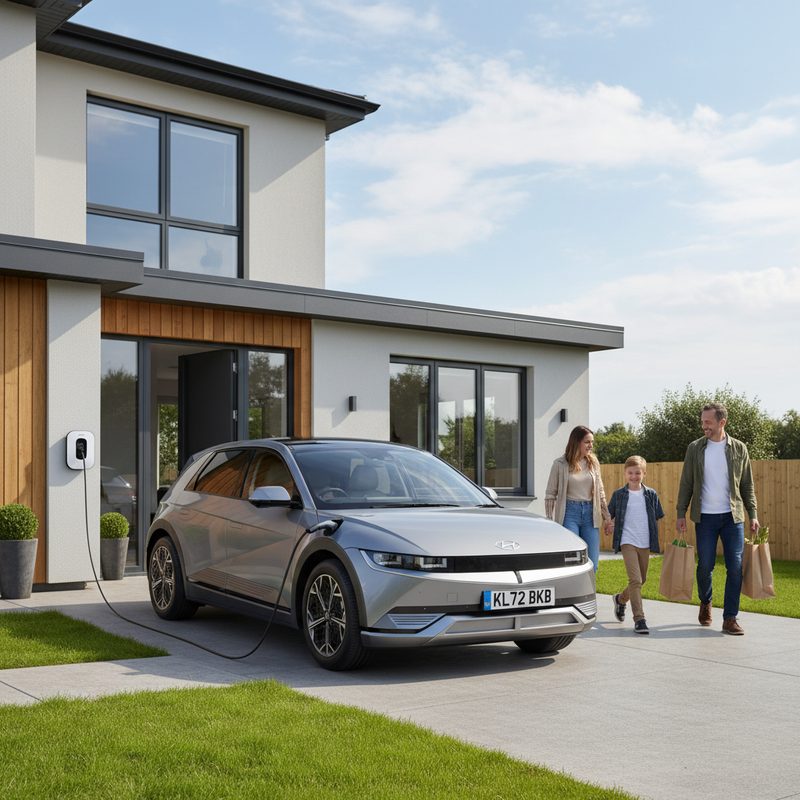
Best Used EVs for Families UK: Boot Space and Practicality
Explore the top used electric vehicles for families in the UK, highlighting boot space, practicality, and what to consider before buying.
Introduction
When it comes to family cars, practicality is king. You need space for the kids, the dog, the shopping, and possibly a small army of toys. But with the rise of electric vehicles (EVs), families are now faced with a new dilemma: which used EV offers the best balance of boot space and practicality? Fear not, dear reader! I’m here to guide you through the best used EVs for families in the UK, ensuring you make a smart choice without sacrificing comfort or convenience.
Electric vehicles have come a long way, and many now boast impressive boot space and family-friendly features. In this guide, we’ll explore various models, their practicality, and what to look for when buying a used EV. So, grab a cuppa, sit back, and let’s dive into the world of family-friendly electric cars!
Boot Space: Why It Matters
Boot space is crucial for any family car. Whether you're packing for a weekend getaway or just doing the weekly shop, you need to know that your vehicle can handle it all. In the realm of EVs, boot space can vary significantly, and some models may surprise you with their capacity.
When assessing boot space, consider not only the volume but also the shape and accessibility of the boot. A high lip can make loading heavy items a right faff, while a flat loading area can make life much easier. Additionally, think about how many seats you need. Some EVs come with a third row, which can be handy for larger families, but this often comes at the expense of boot space when all seats are in use.
For instance, the Kia e-Niro is a fantastic family EV that offers a generous boot space of around 451 litres with the rear seats up. This is more than enough for a family of four, plus all the paraphernalia that comes with them. On the other hand, the Nissan Leaf provides about 435 litres, which is still commendable but slightly less than the e-Niro. Both cars have a hatchback design, making it easier to load and unload your gear.
If you are weighing up alternatives, our guide to Toyota RAV4 Hybrid vs RAV4 PHEV covers similar ground from a different angle.
Top Used EVs for Families
Kia e-Niro
The Kia e-Niro is often hailed as one of the best family EVs on the market. With its spacious interior and impressive boot space, it’s a top contender for families looking to go electric. The e-Niro offers a range of up to 282 miles on a single charge, which is more than enough for most family outings.
In terms of practicality, the e-Niro shines with its 451-litre boot, which can expand to 1,405 litres with the rear seats folded down. This means you can easily fit a pushchair, shopping bags, and even a couple of suitcases for a weekend trip. Plus, the interior is designed with families in mind, featuring plenty of storage compartments for all those little bits and bobs that seem to multiply in a family car.
Nissan Leaf
The Nissan Leaf has been a staple in the EV market for years, and for good reason. It’s spacious, reliable, and offers a comfortable ride. The boot space of 435 litres is slightly less than the e-Niro, but it’s still ample for family needs. The Leaf’s rear seats can also fold down, allowing for larger items when needed.
One of the Leaf’s standout features is its tech-savvy interior. With a user-friendly infotainment system and advanced safety features, it’s a great choice for families who want a bit of modern flair. Plus, with a real-world range of around 150 to 200 miles depending on the model, it’s perfect for daily commutes and school runs.
For more on this topic, take a look at our Volvo XC40 Recharge Used Buying Guide guide.
Volkswagen ID.3
The Volkswagen ID.3 is another excellent option for families. With a boot capacity of 385 litres, it may not be the largest in this list, but it compensates with a spacious cabin and a comfortable ride. The ID.3 is designed with practicality in mind, featuring a flat loading floor and a wide opening, making it easy to load and unload.
The ID.3 also boasts a range of around 260 miles, which is impressive for a family car. It’s packed with tech, including a digital cockpit and various driver assistance features, making it a safe and enjoyable ride for the whole family. Plus, its stylish design means you won’t feel like you’re driving a ‘mum or dad car’.
Hyundai Kona Electric
The Hyundai Kona Electric is a compact SUV that packs a punch when it comes to family practicality. With a boot space of 332 litres, it’s not the biggest, but it’s cleverly designed to maximise usability. The rear seats fold down to offer additional space for larger items, making it versatile for family outings.
The Kona Electric offers a range of up to 300 miles, making it suitable for longer journeys without the dreaded range anxiety. It’s also equipped with a host of safety features and a comfortable interior, ensuring that your family travels in style and safety. Plus, the higher driving position gives you a better view of the road, which is always a bonus when navigating busy streets.
You might also find our Electric Car Tyre Costs guide useful alongside this one.
Peugeot e-2008
The Peugeot e-2008 is a stylish and practical choice for families. With a boot capacity of 405 litres, it’s spacious enough for everyday family needs. The e-2008 features a modern design and a comfortable interior, making it a pleasant place to spend time on longer journeys.
With a range of around 200 miles, it’s perfect for school runs and weekend trips. The e-2008 also comes with a range of tech features, including a touchscreen infotainment system and various driver assistance technologies, ensuring that you and your family stay connected and safe on the road.
Battery Health: What to Check and Expect
When buying a used EV, battery health is one of the most critical factors to consider. Unlike traditional petrol or diesel cars, EVs rely heavily on their batteries, and a degraded battery can significantly affect performance and range.
Most EV manufacturers provide a warranty for their batteries, often lasting around 8 years or 100,000 miles, but it’s essential to check the battery health before making a purchase. Look for cars that have been well-maintained and have a good service history. You can also check the battery degradation using tools like the DVLA vehicle check to see if there have been any issues reported.
We have covered related ground in our Honda e Used Buying Guide guide, which is worth reading if this subject interests you.
A healthy battery should retain at least 70-80% of its original capacity. If you find a used EV with a battery capacity significantly lower than this, it might be worth negotiating the price or looking for a different model. Additionally, consider asking for a battery health report from the seller, which can provide insights into the battery's current state.
Real-World Range vs Manufacturer Claims
One of the most significant concerns for potential EV buyers is the difference between the manufacturer’s claimed range and what you can expect in real-world conditions. While manufacturers often advertise impressive ranges, factors like driving style, weather conditions, and the use of heating or air conditioning can all impact how far you can actually go on a single charge.
For example, while the Kia e-Niro boasts a range of up to 282 miles, real-world tests often show that you can expect around 230 miles under normal driving conditions. Similarly, the Nissan Leaf’s claimed range of up to 239 miles may drop to around 180 miles in colder weather or during spirited driving.
It’s essential to manage your expectations when it comes to range. Always consider your typical driving patterns and how often you’ll need to charge. If your daily commute is short, you might not need to worry as much about range, but for longer journeys, it’s crucial to plan ahead and know where charging stations are located.
You can check the exact safety score for any model on the Euro NCAP website.
Charging Costs and Infrastructure
Charging costs are another vital consideration when looking at used EVs. The cost of charging can vary significantly depending on whether you charge at home or use public charging stations. On average, charging at home can cost around £5-£10 for a full charge, depending on your electricity tariff and the size of the battery.
Public charging stations can be more expensive, especially fast chargers, which can charge your vehicle in under an hour but may charge a premium for the convenience. It’s worth checking out the GOV.UK road tax for any potential exemptions or discounts available for EV owners, as this can help offset some of the costs.
When considering charging infrastructure, look for models that support various charging options. Most modern EVs come with Type 2 connectors, which are compatible with most public charging stations. Additionally, consider installing a home charging point if you have off-street parking, as this can make charging much more convenient.
Common Problems Specific to EVs/Hybrids
While EVs are generally reliable, they aren’t without their issues. Common problems can include battery degradation, software glitches, and issues with charging ports. It’s essential to research the specific model you’re interested in, as some may have known issues that could affect your purchase.
If things go wrong after purchase, Citizens Advice can help you understand your legal rights.
For example, the BMW i3 has been known to experience battery degradation over time, so it’s crucial to check the battery health before buying. Additionally, some models may have issues with their infotainment systems, which can be frustrating for families who rely on tech for navigation and entertainment.
Before making a purchase, it’s wise to read up on common problems for the specific model you’re considering. Resources like the Used BMW i3: Common Problems Before Buying can provide valuable insights into what to look out for.
Running Cost Savings vs Petrol/Diesel
One of the most appealing aspects of owning an EV is the potential savings on running costs compared to traditional petrol or diesel vehicles. EVs typically have lower fuel costs, as electricity is generally cheaper than petrol or diesel. On average, you can expect to save around £1,000 per year on fuel costs alone when switching from a petrol or diesel car to an electric vehicle.
Additionally, EVs often have lower maintenance costs. With fewer moving parts and no oil changes required, you can save on servicing and repairs. Many EVs also come with longer warranties, providing peace of mind for families who want to avoid unexpected expenses.
However, it’s essential to factor in the initial purchase price when considering running costs. While used EVs can be more affordable than new models, they may still have a higher upfront cost compared to some petrol or diesel alternatives. That said, the long-term savings on fuel and maintenance can make them a worthwhile investment for families.
Dave's Verdict: Is It Worth Going Electric?
In conclusion, the best used EVs for families in the UK offer a fantastic blend of boot space, practicality, and running cost savings. Models like the Kia e-Niro and Nissan Leaf stand out for their spacious interiors and impressive ranges, making them ideal for family life. While battery health and real-world range are crucial factors to consider, the long-term savings on fuel and maintenance can make going electric a smart choice.
If you’re considering a used EV, make sure to check any electric car with my free vehicle intelligence report. This will provide you with essential insights into the car’s history, battery health, and any potential issues, ensuring you make an informed decision. So, whether you’re carting the kids to school or heading off on a family adventure, there’s an electric vehicle out there that can meet your needs without compromising on space or comfort. Happy car hunting!