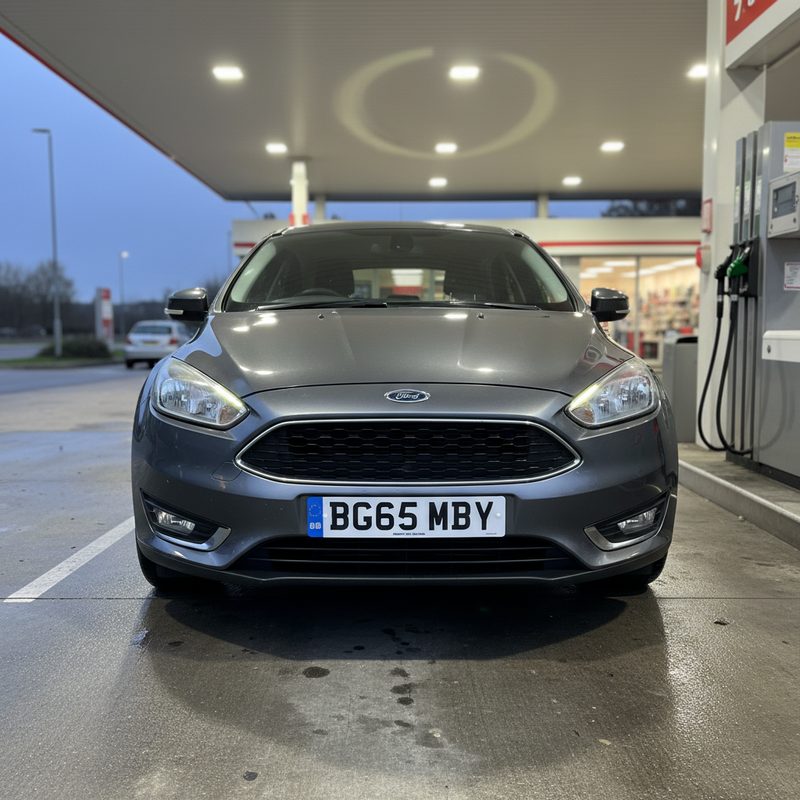
When Does a Ford Focus Stop Depreciating?
Explore the depreciation curve of the Ford Focus, the best years to buy, and how to minimise depreciation when purchasing this popular model.
Understanding Depreciation: The Basics
Ah, depreciation — the silent thief that sneaks up on car owners like a cat burglar in the night. It’s the reason your shiny new Ford Focus loses value faster than you can say "What’s the mileage?" But fear not! Understanding how depreciation works can help you make smarter decisions when buying a used Ford Focus.
In simple terms, depreciation is the decline in value of an asset over time. For cars, this is influenced by a variety of factors, including age, mileage, condition, and market demand. The Ford Focus, a beloved hatchback in the UK, has its own unique depreciation curve that we’ll explore in detail.
The Depreciation Curve for the Ford Focus
The Ford Focus has been a staple in the UK car market since its debut in 1998. Over the years, it has built a reputation for reliability, practicality, and a decent driving experience. However, like all cars, it doesn’t escape the clutches of depreciation.
Typically, the depreciation curve for a Ford Focus follows a standard pattern. In the first year, a new Focus can lose around 20-25% of its value. By the end of the second year, that figure can rise to about 30-35%. After that, the rate of depreciation tends to slow down, but it’s still significant.
For example, a brand-new Ford Focus priced at £25,000 might be worth around £18,750 after one year and about £16,250 after two years. By the time it reaches five years old, you could be looking at a value of around £10,000, depending on mileage and condition.
Interestingly, the depreciation rate can vary based on the model year. The Focus has undergone several redesigns, with the 2018 model being particularly popular. This model has shown to hold its value better than earlier versions, thanks to its modern features and improved fuel efficiency.
Sweet Spot Age: The Best Year to Buy for Value
Now that we’ve established the depreciation curve, let’s talk about the sweet spot — that magical age when a Ford Focus offers the best value for money. Generally, the best time to buy a used Focus is between three to five years old.
Why, you ask? Well, by this age, the car has already taken the biggest hit in depreciation, meaning you can snag a decent model without paying the premium of a nearly-new car. For instance, a three-year-old Ford Focus might be priced around £15,000, while a five-year-old version could go for about £10,000.
At this stage, you’re also likely to find a good selection of models with desirable features, such as advanced safety tech and infotainment systems that are still relevant today. Plus, you’ll avoid the initial depreciation shock that hits new cars like a ton of bricks.
For those keeping an eye on the market, the 2018 Ford Focus is a standout option. It combines modern design with a reputation for reliability, making it a solid choice for buyers looking to maximise their investment. If you want to dive deeper into this model, check out my guide on Buying a 2020 Ford Focus — Complete Guide.
Which Variants/Specs Hold Value Best?
Not all Ford Focus models are created equal when it comes to holding their value. Some variants are more sought after than others, and understanding which ones to look for can save you a pretty penny in the long run.
Generally, the more popular trims tend to hold their value better. For example, the ST-Line and Titanium models are often in higher demand due to their sporty aesthetics and additional features. These trims typically come equipped with better technology and more appealing interiors, making them attractive to buyers on the second-hand market.
Conversely, base models with fewer features may depreciate faster. While they might be cheaper upfront, they often lack the desirability that can help maintain value.
Another factor to consider is engine choice. The petrol engines, particularly the 1.0 EcoBoost, have gained a reputation for being both economical and fun to drive. Diesel variants, while once popular, have seen a decline in demand due to changing regulations and a shift towards greener alternatives. This shift can impact their resale value significantly.
If you’re curious about the risks of buying a used Focus with higher mileage, take a look at my article on Used Ford Focus with 75k Miles — Worth the Risk?.
Factors That Affect the Resale Value of a Ford Focus
Several factors can influence the resale value of a Ford Focus, and being aware of these can help you make a more informed purchase.
Mileage
Mileage is one of the most significant factors affecting a car's value. A Ford Focus with lower mileage will generally command a higher price than one with higher mileage. As a rule of thumb, aim for a model with under 60,000 miles if you want to maximise your investment.
Condition
The overall condition of the vehicle plays a crucial role in its resale value. A well-maintained Focus with a full service history will always be more appealing than one that’s been neglected. Look for signs of wear and tear, and don’t forget to check the MOT history on the GOV.UK MOT history page to ensure there are no red flags.
Market Demand
Market demand can fluctuate based on various factors, including fuel prices, environmental regulations, and consumer preferences. For instance, as more people shift towards electric vehicles, the demand for petrol and diesel cars may decline. Keeping an eye on market trends can help you time your purchase better.
Features and Specs
As mentioned earlier, certain features and specifications can enhance a car's desirability. Models with advanced safety features, infotainment systems, and appealing aesthetics are more likely to hold their value. If you’re considering a Focus, look for models equipped with Ford’s SYNC infotainment system or advanced driver-assistance features.
How to Minimise Depreciation When You Buy
While depreciation is inevitable, there are strategies you can employ to minimise its impact. Here are some tips to help you get the most out of your Ford Focus investment:
Buy Used, Not New
As we’ve discussed, buying a used Ford Focus, particularly one that’s three to five years old, can save you a significant amount of money. You’ll avoid the steep depreciation that hits new cars and still get a reliable vehicle.
Choose the Right Trim
Opt for a trim that’s known for holding its value. The ST-Line and Titanium models are great choices, as they tend to be more desirable in the used market.
Keep It Clean
Regular maintenance and cleaning can help preserve your car’s condition. A well-maintained vehicle is more attractive to potential buyers and can command a higher price.
Keep Records
Maintain a full service history and keep records of any repairs or upgrades. This documentation can reassure potential buyers and help justify a higher asking price when it’s time to sell.
Timing Your Sale
Timing is everything when it comes to selling your car. If you can, try to sell before the car hits the five-year mark, as this is when depreciation tends to slow down significantly.
Dave's Recommendation on Timing Your Purchase
Timing your purchase can be a game-changer when it comes to getting the best deal on a Ford Focus. Generally, the best time to buy is during the winter months, particularly around December and January.
Why winter, you ask? Well, many people are focused on holiday spending, and car dealerships often have lower foot traffic during this time. This can lead to better deals as dealers are keen to clear out inventory to make room for new models.
Additionally, keep an eye on the end of the month or quarter when dealerships are trying to hit sales targets. This can lead to even better discounts and negotiation opportunities. If you’re looking to haggle, check out my guide on Ford Focus — What to Say to Get £500 Off for some handy tips.
Conclusion
In conclusion, understanding the depreciation of a Ford Focus can help you make a more informed decision when buying used. By targeting models that are three to five years old, opting for desirable trims, and keeping an eye on market trends, you can minimise depreciation and maximise your investment.
Remember, depreciation is a natural part of car ownership, but with the right knowledge, you can navigate it like a pro. So, if you’re considering a Ford Focus, do your research, check the MOT history, and don’t hesitate to ask for advice. Happy car hunting!
Check Ford Focus, instantly with Dave's free vehicle intelligence report.
Check a specific year with Dave