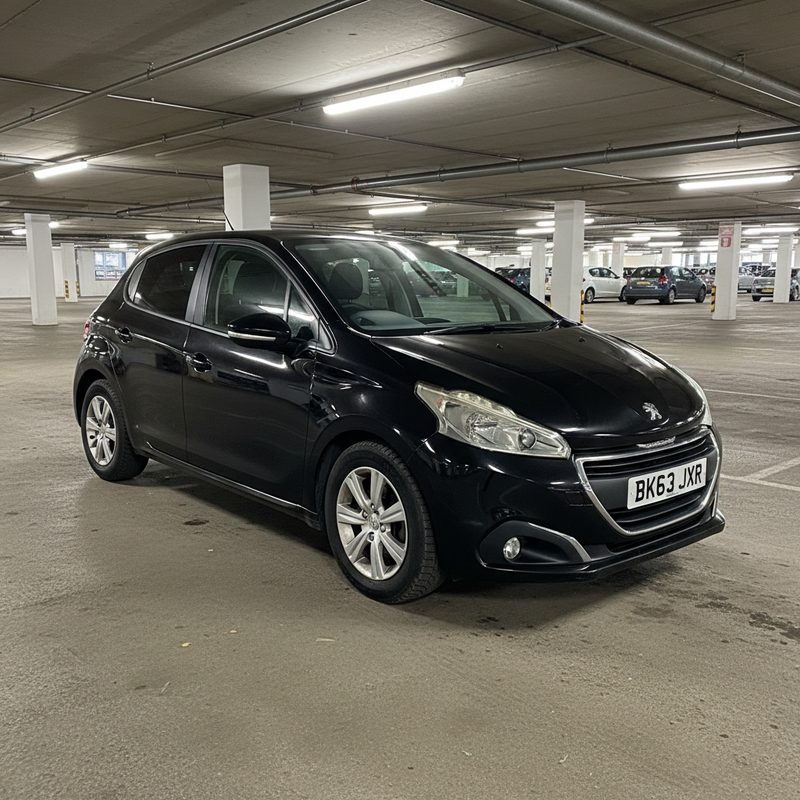
Peugeot 208 Depreciation Curve UK
Understanding the depreciation curve of the Peugeot 208 can help you make informed decisions when buying or selling this popular hatchback.
Understanding the Depreciation Curve of the Peugeot 208
The Peugeot 208 has become a popular choice among UK drivers, known for its stylish design, compact size, and efficient performance. However, like all vehicles, it experiences depreciation over time. Depreciation is the reduction in the value of a car as it ages, and understanding this curve can help you make smarter buying and selling decisions.
The depreciation curve for the Peugeot 208 typically follows a predictable pattern. New cars can lose as much as 20-30% of their value in the first year alone. For the Peugeot 208, this means that a brand-new model costing around £20,000 could be worth only £14,000 to £16,000 after just one year. As the car ages, the rate of depreciation generally slows down, but it remains significant.
The Depreciation Rates Over Time
To illustrate the depreciation curve, let’s break down the expected value loss over the first five years:
- Year 1: 20-30% depreciation. A new Peugeot 208 worth £20,000 may drop to £14,000 - £16,000.
- Year 2: Additional 15-20% depreciation. The car could now be valued at around £11,200 - £13,600.
- Year 3: A further 10-15% depreciation, bringing the value down to approximately £9,500 - £12,200.
- Year 4: Another 10% depreciation, with values around £8,500 - £11,000.
- Year 5: By this point, the car may have depreciated by about 5-10%, landing it in the £7,500 - £10,500 range.
These figures are averages and can vary based on factors such as mileage, condition, and market demand. The Peugeot 208 tends to hold its value better than some competitors, thanks to its reputation for reliability and stylish design.
Sweet Spot Age: Best Year to Buy for Value
When considering the best time to purchase a Peugeot 208, the sweet spot typically falls between the second and fourth years of the car's life. At this stage, the vehicle has already undergone the steepest part of its depreciation curve, allowing buyers to benefit from a significant reduction in price without sacrificing too much in terms of features or reliability.
If you are weighing up alternatives, our guide to Volkswagen Touran Depreciation covers similar ground from a different angle.
For instance, a three-year-old Peugeot 208 that originally sold for £20,000 may now be available for around £11,000 - £12,000. This price point often represents excellent value, as the car will still have plenty of life left and may even be under warranty, depending on the specifics of the purchase.
Additionally, cars in this age bracket often come with modern features and technology that older models lack, making them a smart investment. Buyers can check the history of any used Peugeot 208 through the GOV.UK MOT history service to ensure it has been well-maintained.
Which Variants/Specs Hold Value Best
Not all Peugeot 208 variants depreciate at the same rate. Generally, higher-spec models with more features tend to hold their value better than base models. For example, the Peugeot 208 GT Line or the Allure trim, which come with additional technology and comfort features, are often more sought after in the used market.
Moreover, engine choice plays a significant role in resale value. The petrol variants, particularly those with smaller engines, tend to be more popular among buyers looking for fuel efficiency. On the other hand, diesel models may see a decline in demand due to changing attitudes towards diesel vehicles, especially in urban areas where low-emission zones are becoming more common.
For more on this topic, take a look at our Ford Kuga Depreciation guide.
In terms of colour, neutral shades like black, grey, and white generally appeal to a broader audience, while more vibrant colours may attract niche buyers but could take longer to sell. Therefore, if you’re considering a Peugeot 208 for resale value, opting for a popular trim and a classic colour can enhance your investment.
Factors That Affect the Peugeot 208's Resale Value
Several factors influence the resale value of a Peugeot 208, and understanding these can help you make informed decisions when buying or selling. Here are some key considerations:
Mileage
Mileage is one of the most significant factors affecting a car's value. A Peugeot 208 with lower mileage will generally command a higher price than one with higher mileage. For instance, a well-maintained model with under 30,000 miles could be worth significantly more than one with over 60,000 miles. As a rule of thumb, aim for vehicles that have been driven less than the average UK mileage of around 12,000 miles per year.
Condition
The overall condition of the vehicle plays a crucial role in determining its resale value. A Peugeot 208 that has been well cared for, with a full service history and no significant damage, will be more attractive to potential buyers. Regular maintenance and keeping the car clean can help preserve its value. You can check the vehicle's history using the DVLA vehicle check service to ensure there are no hidden issues.
You might also find our Volkswagen T-Roc Depreciation guide useful alongside this one.
Market Demand
The demand for the Peugeot 208 can fluctuate based on market trends. For example, during times of economic uncertainty, buyers may gravitate towards smaller, more economical cars, which can boost the resale value of the 208. Conversely, if larger vehicles become more desirable, the 208 may see a decline in value. Keeping an eye on market trends can help you time your purchase or sale effectively.
Service History
A complete service history can significantly enhance a car's resale value. Buyers are often willing to pay more for a vehicle that has been regularly serviced and maintained. Ensure that any Peugeot 208 you consider has a documented service history, as this can provide peace of mind and justify a higher asking price.
How to Minimise Depreciation When You Buy
While depreciation is inevitable, there are strategies you can employ to minimise its impact on your investment. Here are some practical tips:
Choose the Right Model
Selecting a model that is known for holding its value can make a significant difference. As discussed, higher-spec variants of the Peugeot 208 tend to depreciate less than base models. Researching which trims and engine types are most popular can help you make a more informed decision.
We have covered related ground in our Vauxhall Astra Resale Value guide, which is worth reading if this subject interests you.
Buy Used
Purchasing a used Peugeot 208 rather than a new one can save you a considerable amount of money and shield you from the steepest depreciation. As mentioned earlier, buying a car that is two to four years old often represents the best value, allowing you to avoid the initial drop in value that new cars experience.
Maintain the Vehicle
Regular maintenance is key to preserving a car's value. Keeping up with service schedules, addressing minor repairs promptly, and maintaining the vehicle's appearance can all contribute to a higher resale value. Additionally, consider investing in a comprehensive warranty or service plan, which can provide added security and peace of mind.
Keep Mileage Low
If possible, try to keep the mileage on your Peugeot 208 low. This can be achieved by using public transport for shorter journeys or carpooling when feasible. Lower mileage not only helps maintain the car's value but can also lead to lower running costs and better fuel efficiency.
Timing Your Purchase: Dave's Recommendation
Timing your purchase can significantly affect the price you pay for a Peugeot 208. Generally, the best time to buy a used car is during the winter months, particularly between December and February. During this period, demand tends to be lower, and dealers may be more willing to negotiate on price to clear out stock.
If things go wrong after purchase, Citizens Advice can help you understand your legal rights.
Another strategic approach is to consider the end of the month or quarter, as dealerships often have sales targets to meet. This can lead to better deals as they seek to boost their sales figures. Additionally, keep an eye on seasonal trends; for example, convertibles and sports cars may see a drop in demand during colder months, while hatchbacks like the 208 remain consistently popular.
Lastly, always check platforms like AutoTrader for competitive pricing and to gauge the market before making a purchase. This will give you a clearer idea of what you should expect to pay and help you negotiate effectively.
Conclusion
Understanding the depreciation curve of the Peugeot 208 is essential for making informed decisions when buying or selling this popular hatchback. By knowing the best years to buy, which variants hold their value best, and how to minimise depreciation, you can protect your investment and ensure you get the most value for your money.
If you're considering purchasing a Peugeot 208, take the time to research its history and current market value. You can check any Peugeot 208's value with Dave's free report to ensure you're making a smart investment. With the right knowledge and timing, you can navigate the used car market effectively and secure a great deal on a Peugeot 208 that meets your needs.