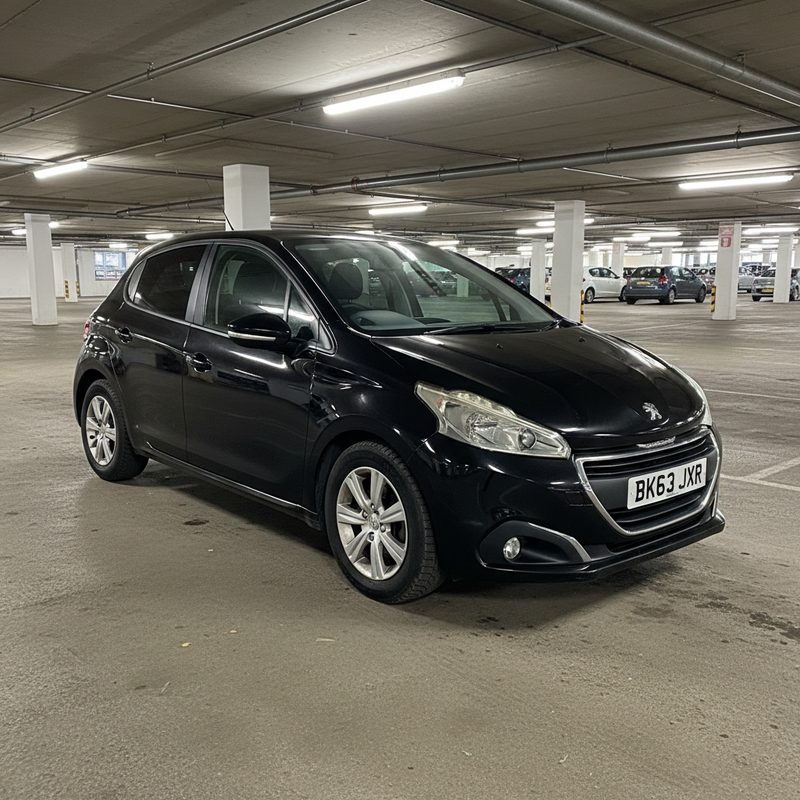
2017 Peugeot 208 GTi: Hot Hatch Nobody Remembers
The 2017 Peugeot 208 GTi is a hot hatch that deserves more attention. This guide dives into its features, common issues, and what you should know before buying.
Overview of the 2017 Peugeot 208 GTi
Ah, the Peugeot 208 GTi, the hot hatch that seems to have slipped through the cracks of automotive history. While everyone’s busy raving about the likes of the Ford Fiesta ST and VW Golf GTI, this little French number quietly goes about its business, offering a blend of performance, style, and practicality that’s hard to ignore. If you’re in the market for a used hot hatch, the 2017 208 GTi might just be the underdog you didn’t know you needed.
The 208 GTi is powered by a punchy 1.6-litre turbocharged engine that churns out a respectable 208 bhp. This means it can sprint from 0-60 mph in just 6.5 seconds, which is no slouch by any means. It’s paired with a six-speed manual gearbox that provides a satisfying driving experience, especially when you’re tearing through those country lanes or navigating the urban jungle. Plus, with a sporty suspension setup, the handling is sharp, making it a joy to drive.
But let’s not get carried away just yet. While the 208 GTi has plenty going for it, it’s essential to consider the whole picture before you dive in headfirst. In this guide, we’ll explore common problems, MOT failure patterns, pricing, running costs, and ultimately, whether this hot hatch is worth your hard-earned cash.
Common Problems and Known Issues
Like any used car, the 2017 Peugeot 208 GTi has its fair share of potential pitfalls. While it’s generally a reliable vehicle, there are a few common issues that you should be aware of before making your purchase.
Electrical Gremlins
One of the most frequently reported problems with the 208 GTi is electrical issues. Owners have reported problems with the infotainment system, including glitches and occasional failures of the touchscreen. While these issues might seem minor, they can be frustrating and costly to repair, especially if you’re not covered by a warranty.
Suspension Concerns
Another area to keep an eye on is the suspension. Some owners have reported that the suspension can feel a bit harsh, particularly on poorly maintained roads. While this is somewhat expected in a sporty hatch, excessive wear on suspension components can lead to costly repairs. It’s worth checking for any knocking noises or uneven tyre wear during your test drive.
Engine Woes
While the 1.6-litre engine is generally reliable, there have been reports of turbocharger issues, particularly if the car hasn’t been serviced regularly. A failing turbo can lead to a loss of power and increased fuel consumption, so always ask for a full service history when considering a used model.
Gearbox Troubles
Some owners have also noted that the manual gearbox can be a bit notchy, especially when cold. While this isn’t a deal-breaker, it’s something to be aware of. If you’re considering a used 208 GTi, make sure to take it for a good test drive to ensure the gearbox feels smooth and responsive.
MOT Failure Patterns
Now, let’s talk about MOTs. The Peugeot 208 GTi is generally well-regarded when it comes to passing its MOT, but there are a few common failure points you should keep in mind.
Brakes
One of the most common reasons for MOT failures in the 208 GTi is related to the braking system. Issues can arise with the brake pads and discs, particularly if the previous owner has been a bit heavy-footed. Always check the condition of the brakes and ask for any recent service records that detail brake replacements.
Emissions
Another area where the 208 GTi can stumble is emissions. If the car has not been maintained properly, it may struggle to pass the emissions test. This is particularly relevant for turbocharged engines, which can develop issues if not serviced regularly. Make sure to check the emissions history on the car’s MOT records.
Lights and Electrical Components
As mentioned earlier, electrical issues can plague the 208 GTi, and this extends to the MOT as well. Faulty lights, including headlights and indicators, can lead to an automatic failure. Always check that all lights are functioning correctly before taking the car for its MOT.
What You Should Expect to Pay
When it comes to pricing, the 2017 Peugeot 208 GTi offers a range of options depending on mileage, condition, and service history. As of now, you can expect to pay between £12,000 and £16,000 for a well-maintained model with reasonable mileage (around 30,000 to 50,000 miles).
Price Breakdown
- Low Mileage (under 30,000 miles): Expect to pay closer to £16,000. These models are often in excellent condition and may come with additional features or warranty coverage.
- Average Mileage (30,000 to 50,000 miles): Prices typically range from £12,000 to £14,500. This is where you’ll find a good balance between cost and condition.
- High Mileage (over 50,000 miles): You might find models priced around £10,000 to £12,000. While these can be great bargains, make sure to thoroughly check the service history and condition.
Always remember that prices can vary significantly based on location, so it’s worth shopping around and comparing listings in your area. And don’t forget to check the car’s history with a vehicle intelligence report to ensure you’re not buying someone else’s headache.
Running Costs Overview
When considering a used car, it’s essential to factor in running costs. The 2017 Peugeot 208 GTi is relatively economical for a hot hatch, but there are still a few things to keep in mind.
Insurance Costs
Insurance for the 208 GTi falls into Group 26, which is relatively reasonable for a performance car. Expect to pay between £800 and £1,200 annually, depending on your driving history, location, and whether you choose comprehensive or third-party coverage. Always shop around for the best deals, as insurance premiums can vary widely.
Fuel Economy
In terms of fuel economy, the 208 GTi offers a combined figure of around 50 mpg, which is impressive for a car with this level of performance. However, if you’re driving it like it’s meant to be driven (i.e., with a bit of enthusiasm), you might see that figure drop to around 30-35 mpg. Still, it’s better than many of its competitors in the hot hatch segment.
Servicing Costs
Servicing costs for the 208 GTi are fairly standard for a performance hatch. You can expect to pay around £150 to £250 for a basic service, while a more comprehensive service can set you back £300 to £400. It’s essential to keep up with regular servicing to avoid any potential issues down the line, especially with the turbocharged engine.
Dave's Honest Verdict
So, what’s the final verdict on the 2017 Peugeot 208 GTi? Is it a hidden gem or just another forgotten hot hatch? In my humble opinion, it’s definitely worth considering if you’re after something a bit different from the usual suspects.
The 208 GTi offers a fantastic driving experience, decent practicality, and surprisingly good fuel economy for a performance car. However, it’s essential to be aware of the common issues and ensure you’re buying a well-maintained model. If you can find one with a full service history and in good condition, you could be in for a treat.
In conclusion, if you’re looking for a hot hatch that stands out from the crowd and offers a unique driving experience, the 2017 Peugeot 208 GTi is a solid choice. Just make sure to do your homework, check the vehicle intelligence report, and take it for a good test drive. Happy car hunting!
Conclusion
In the world of hot hatches, the 2017 Peugeot 208 GTi may not be the first name that comes to mind, but it certainly deserves a spot on your shortlist. With its blend of performance, style, and practicality, it’s a car that can bring a smile to your face every time you get behind the wheel. Just remember to keep an eye out for common issues, check the MOT history, and be prepared for the running costs. With a little bit of diligence, you could end up with a fantastic used car that’s both fun and reliable.
Check Before You Buy
Before you make any decisions, I highly recommend checking any Peugeot 208 with my free vehicle intelligence report. It’s a quick and easy way to ensure you’re making a smart investment. Don’t leave it to chance, get the facts and drive away with confidence!