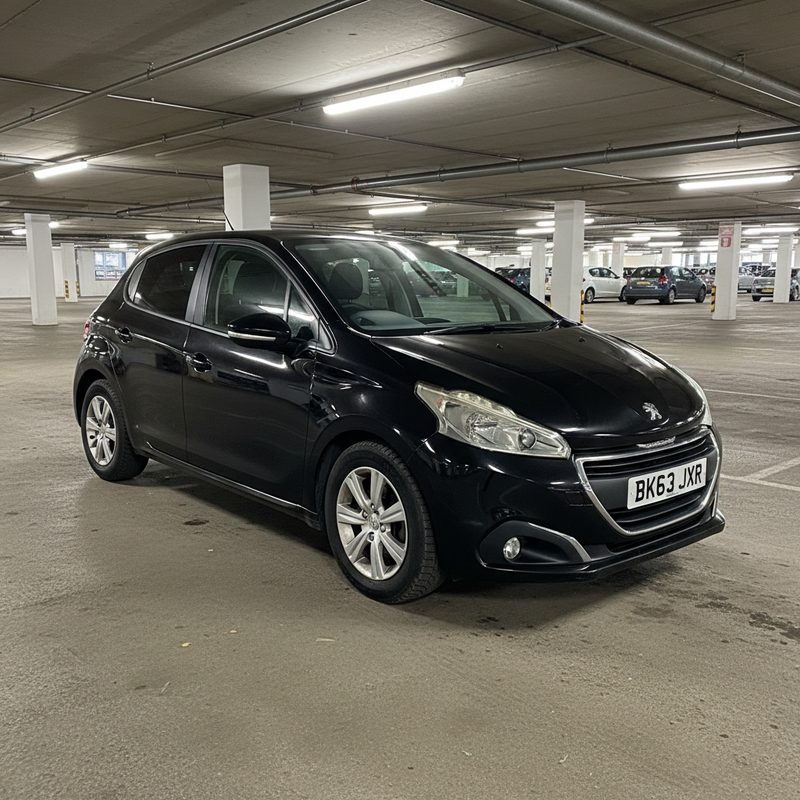
2018 Peugeot 208: Stylish but Reliable
The 2018 Peugeot 208 combines style and practicality. This guide delves into its reliability, common issues, costs, and more to help you decide if it's the right car for you.
Overview of the 2018 Peugeot 208
The 2018 Peugeot 208 is a compact hatchback that has garnered attention for its stylish design, comfortable interior, and efficient performance. With its sleek lines and modern aesthetics, the 208 stands out in a crowded market of small cars. It’s particularly appealing to urban drivers who appreciate its nimble handling and compact size, making it easy to navigate through tight city streets and park in small spaces.
Under the hood, the 208 offers a range of petrol and diesel engines that balance performance with fuel efficiency. The 1.2-litre PureTech petrol engine is particularly popular, providing a good mix of power and economy. The car also boasts a well-designed interior with quality materials, a user-friendly infotainment system, and ample boot space for a vehicle of its size. Overall, the 2018 Peugeot 208 is a strong contender in the used car market, especially for those seeking a stylish yet practical vehicle.
Is the 2018 Peugeot 208 a Good Buy?
When considering whether the 2018 Peugeot 208 is a good buy, it’s essential to weigh its strengths against potential drawbacks. One of the standout features of the 208 is its design; it’s often praised for its chic appearance, which appeals to younger buyers and those looking for something a bit different. The driving experience is another highlight, with responsive steering and a comfortable ride that makes it enjoyable for both city and motorway driving.
However, like any vehicle, the 208 has its downsides. While the interior is stylish, some may find the infotainment system a bit fiddly, particularly the touchscreen controls, which can be distracting while driving. Additionally, while the car is generally reliable, there are some common issues that prospective buyers should be aware of, which we’ll discuss in detail later.
In terms of pricing, the 2018 Peugeot 208 is competitive within its class. You can expect to pay between £9,000 and £14,000 depending on the trim level, mileage, and overall condition. This price range makes it accessible for many buyers, especially those looking for a reliable small car without breaking the bank.
Overall, if you’re after a stylish, compact hatchback that offers a good balance of comfort, efficiency, and practicality, the 2018 Peugeot 208 is worth considering. However, it’s crucial to do your homework and check the vehicle’s history before making a purchase.
Common Problems and Known Issues
While the 2018 Peugeot 208 is generally regarded as a reliable car, there are a few common problems that owners have reported. Being aware of these issues can help you make a more informed decision when purchasing a used model.
1. Electrical Issues
One of the most frequently mentioned problems with the 208 involves electrical components. Owners have reported issues with the central locking system, as well as problems with the infotainment system, including connectivity issues with Bluetooth and USB ports. While these problems can often be resolved with software updates or simple repairs, it’s worth checking that all electrical features are functioning correctly during your inspection.
2. Suspension Problems
Another area of concern is the suspension. Some drivers have noted that the suspension can feel a bit harsh over bumps, and there have been reports of premature wear on components such as the shock absorbers. If you’re considering a used 208, pay attention to how the car handles on uneven surfaces and listen for any unusual noises when driving over bumps.
3. Engine Performance
While the engines in the 208 are generally reliable, some owners have experienced issues with the 1.6-litre diesel engine, particularly in terms of performance and fuel efficiency. If you’re looking at a diesel model, ensure that it has a full service history and that the previous owner has kept up with regular maintenance.
4. Brake Wear
Brake wear can also be a concern, particularly if the car has been driven in urban conditions where frequent stopping is required. Check the brake pads and discs for signs of wear and ensure they have been replaced as needed. A well-maintained braking system is crucial for safety and performance.
By being aware of these common issues, you can approach your purchase with a more critical eye. Always consider having a trusted mechanic inspect the vehicle before finalising your purchase to avoid any nasty surprises down the line.
MOT Failure Patterns
Understanding the typical MOT failure patterns for the 2018 Peugeot 208 can provide valuable insights into the vehicle’s reliability and maintenance needs. The MOT test is a crucial aspect of vehicle ownership in the UK, ensuring that cars meet safety and environmental standards.
Common MOT Failures
-
Lighting and Signalling: One of the most common reasons for MOT failures across all vehicles, including the 208, is issues with lights. This includes blown bulbs, faulty indicators, and malfunctioning brake lights. Always check that all lights are functioning correctly before an MOT test.
-
Suspension and Steering: As mentioned earlier, suspension issues can lead to MOT failures. Inspect the suspension components for any signs of wear or damage. Additionally, steering components should be checked for play or excessive wear, as these can also result in a failed test.
-
Brakes: Brake performance is critical for passing an MOT. Ensure that the brake pads and discs are in good condition and that the braking system is functioning effectively. Any signs of uneven wear or reduced braking performance should be addressed before the test.
-
Tyres: Tyre condition is another common failure point. Check for adequate tread depth (the legal minimum is 1.6mm) and ensure there are no signs of damage or uneven wear. Replacing worn tyres can be a simple fix that significantly improves safety.
-
Emissions: For diesel models, emissions testing can be a concern. Ensure that the vehicle has been regularly serviced, and the emissions system is functioning correctly to avoid failing this aspect of the MOT.
By understanding these common failure points, you can take proactive steps to ensure that your 2018 Peugeot 208 remains in good condition and passes its MOT without issues. Regular maintenance and timely repairs can save you money and hassle in the long run.
What to Expect to Pay
When it comes to purchasing a used 2018 Peugeot 208, pricing can vary significantly based on several factors, including mileage, condition, and trim level. Here’s a breakdown of what you can expect to pay:
Price Ranges
- Base Models: For entry-level models with higher mileage (around 40,000 to 60,000 miles), you can expect to pay between £9,000 and £11,000. These models typically come with fewer features but still offer the core benefits of the 208.
- Mid-Range Models: If you’re looking for a mid-range model with a good balance of features and mileage (around 30,000 to 40,000 miles), prices generally range from £11,000 to £13,000. These models often include additional features such as upgraded infotainment systems and enhanced safety features.
- High-End Models: For top-spec models with low mileage (under 30,000 miles), prices can reach up to £14,000 or more. These models often come with premium features, including leather upholstery, advanced driver assistance systems, and larger alloy wheels.
Additional Costs
In addition to the purchase price, it’s essential to consider ongoing costs associated with owning a Peugeot 208. These include:
- Insurance: Insurance costs can vary based on your driving history, location, and the specific model. On average, you can expect to pay between £600 and £800 per year for comprehensive coverage.
- Fuel Costs: The 1.2-litre petrol engine offers good fuel efficiency, averaging around 55-60 mpg, while the diesel variant can achieve up to 70 mpg. Depending on your driving habits, you can expect to spend around £1,200 to £1,500 annually on fuel.
- Servicing and Maintenance: Regular servicing is crucial for keeping your 208 in good condition. Budget around £200 to £300 per year for routine maintenance, including oil changes, brake checks, and tyre rotations.
By factoring in these costs, you can better assess your budget and ensure that the 2018 Peugeot 208 fits your financial plans.
Running Costs Overview
When considering the running costs of the 2018 Peugeot 208, it’s essential to look at various aspects, including insurance, fuel economy, servicing, and tax. Understanding these costs will help you make an informed decision about whether this car is right for your budget.
Insurance Costs
Insurance is a significant factor in the overall running costs of any vehicle. The Peugeot 208 typically falls into insurance groups 10 to 14, depending on the specific model and trim level. For most drivers, this translates to annual premiums ranging from £600 to £800 for comprehensive coverage. It’s advisable to shop around and compare quotes from different insurers to find the best deal.
Fuel Economy
Fuel efficiency is another critical consideration, especially for those who do a lot of driving. The 1.2-litre petrol engine is known for its impressive fuel economy, achieving around 55-60 mpg in real-world conditions. The diesel variant, particularly the 1.6-litre engine, can reach up to 70 mpg, making it an attractive option for long-distance drivers. Depending on your driving habits, you can expect to spend approximately £1,200 to £1,500 annually on fuel.
Servicing and Maintenance
Regular servicing is vital for keeping your Peugeot 208 running smoothly. Most manufacturers recommend servicing every 12,000 miles or annually, whichever comes first. Budget around £200 to £300 per year for routine maintenance, which typically includes oil changes, brake inspections, and tyre rotations. Additionally, consider setting aside some funds for unexpected repairs, especially if you’re purchasing a used model.
Road Tax
Road tax for the 2018 Peugeot 208 varies based on the engine size and emissions. Generally, you can expect to pay between £20 and £150 annually, depending on the specific model. The lower the emissions, the less you’ll pay, making the diesel variants particularly appealing for cost-conscious buyers.
By understanding these running costs, you can better assess whether the 2018 Peugeot 208 fits your budget and lifestyle. It’s always a good idea to factor in all potential expenses when making a vehicle purchase to avoid any financial surprises down the road.
Dave's Honest Verdict
In conclusion, the 2018 Peugeot 208 is a stylish and practical choice for anyone in the market for a compact hatchback. With its attractive design, comfortable interior, and efficient engines, it ticks many boxes for urban drivers and small families alike. However, potential buyers should be aware of some common issues, particularly with electrical components and suspension, and ensure they conduct thorough checks before purchasing.
The price range for the 208 is competitive, making it an accessible option for many buyers. When considering ongoing costs, including insurance, fuel, and servicing, the 208 remains a cost-effective choice in the long run.
If you’re looking for a reliable and stylish small car, I would recommend the 2018 Peugeot 208. Just make sure to do your due diligence, check the vehicle history, and consider having a trusted mechanic inspect it before making a purchase. And remember, you can always check any Peugeot 208 instantly with my free vehicle intelligence report to ensure you’re making a smart decision.
Happy car hunting!