How to Get a Used Car Inspected Before Buying UK
This comprehensive guide walks you through the essential steps to inspect a used car before purchasing, ensuring you make an informed decision.
Understanding the Importance of a Thorough Inspection
Buying a used car can feel overwhelming, especially with the myriad of choices available in the UK market. One of the most crucial steps in the buying process is ensuring that the vehicle you’re considering is in good condition. A thorough inspection can save you from potential headaches down the line, including costly repairs and safety issues.
When you inspect a used car, you’re not just checking for cosmetic flaws; you’re evaluating its overall health. This includes the engine, brakes, suspension, and even the electronics. A detailed inspection can reveal hidden problems that may not be apparent at first glance, helping you make a more informed decision.
In this guide, we’ll walk you through the step-by-step process of inspecting a used car, what documents you need, common mistakes to avoid, your legal rights, practical tips from my experience, and a handy checklist to ensure you don’t miss anything important.
Step-by-Step Inspection Process
1. Preliminary Research
Before you even set foot on a dealership lot or meet a private seller, do your homework. Research the make and model of the car you’re interested in. Look into common issues associated with that vehicle. Websites like AutoTrader and WhatCar? provide insights into reliability ratings and owner reviews. Knowing what to expect can prepare you for what to look for during your inspection.
2. Arrange a Viewing
Once you’ve narrowed down your options, arrange a viewing. It’s best to inspect the car in daylight, as natural light will help you spot any imperfections or damage. If possible, choose a location that isn’t overly crowded, allowing you to focus on the vehicle without distractions.
3. Exterior Inspection
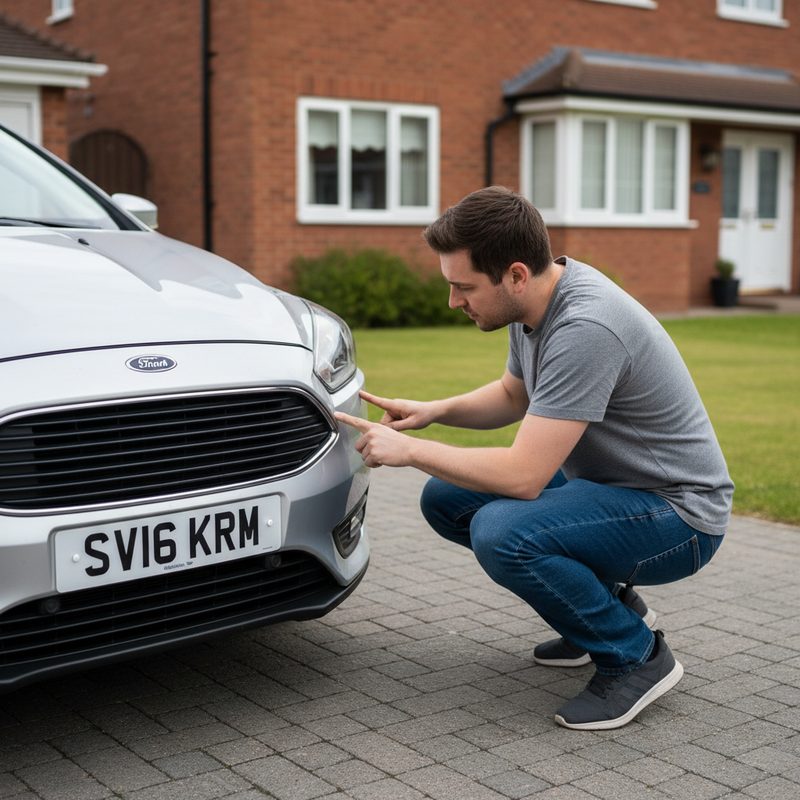
Start your inspection from the outside. Walk around the car and look for:
- Bodywork: Check for dents, scratches, and rust. Pay special attention to the wheel arches and undercarriage, as these areas are prone to corrosion.
- Paint: Look for inconsistencies in paint colour or texture, which may indicate previous repairs. A professional respray can hide serious issues.
- Tyres: Inspect the tyres for tread depth and even wear. Uneven wear can indicate alignment issues. The legal minimum tread depth in the UK is 1.6mm, but for safety, aim for at least 3mm.
- Lights and Glass: Ensure all lights are functioning and check for cracks in the windscreen or windows.
4. Interior Inspection
Next, move inside the car. Here’s what to check:
- Seats and Upholstery: Look for signs of wear and tear, stains, or unusual smells. Check that all seat adjustments work properly.
- Dashboard and Controls: Test all controls, including the air conditioning, heating, and infotainment system. Ensure that warning lights on the dashboard illuminate when the ignition is turned on and turn off after starting the engine.
- Safety Features: Check the seatbelts for fraying and ensure airbags are intact.
5. Under the Bonnet
Pop the bonnet and take a look at the engine. Here’s what to focus on:
- Fluid Levels: Check oil, coolant, and brake fluid levels. Low levels can indicate neglect.
- Belts and Hoses: Look for cracks or wear on belts and hoses. Replacing these can be costly.
- Battery: Check for corrosion around the terminals and ensure the battery is securely mounted.
6. Test Drive
A test drive is essential. It’s your chance to assess the car’s performance. During the drive:
- Listen for Noises: Pay attention to any unusual sounds, such as knocking or grinding.
- Braking: Test the brakes at various speeds. They should feel firm and responsive.
- Steering: Ensure the steering is smooth and doesn’t pull to one side.
- Acceleration: The car should accelerate smoothly without hesitation.
7. Professional Inspection
If you’re serious about the car, consider getting a professional inspection. A qualified mechanic can provide a comprehensive evaluation and identify issues you may have missed. This service typically costs between £100 and £300, depending on the depth of the inspection. It’s a small price to pay for peace of mind.
Essential Documents and Preparation
1. Vehicle Registration Document (V5C)
The V5C document is crucial as it proves the seller is the registered keeper of the vehicle. Check that the details match the car and that the VIN (Vehicle Identification Number) is correct. If the seller cannot provide this document, it’s a red flag.
2. Service History
A full service history indicates that the car has been well-maintained. Look for regular servicing, including oil changes and any major repairs. If the service history is incomplete, ask the seller why. A lack of records can suggest neglect.
3. MOT Certificate
In the UK, cars over three years old must have an MOT certificate, which verifies that the vehicle meets road safety and environmental standards. Check the expiry date and ensure the car has a valid MOT. You can also check the MOT history online to see past advisories and failures.
4. Insurance and Tax
Before purchasing, ensure you understand the insurance costs and road tax for the vehicle. You can use online calculators to estimate these costs based on the car's details.
5. HPI Check
Consider running an HPI check, which reveals if the car has been stolen, written off, or has outstanding finance. This service typically costs around £20-£30 and can save you from making a costly mistake.
Common Mistakes to Avoid
1. Rushing the Process
One of the biggest mistakes buyers make is rushing into a purchase. Take your time to inspect the vehicle thoroughly and don’t feel pressured to buy on the spot. Remember, there are plenty of cars available.
2. Ignoring Warning Signs
If you notice anything unusual during your inspection or test drive, don’t ignore it. Trust your instincts; if something feels off, it’s worth investigating further or walking away.
3. Skipping the Test Drive
Never skip the test drive. It’s your opportunity to experience the car firsthand. A vehicle may look perfect on the outside but may have underlying issues that only become apparent during driving.
4. Not Asking Questions
Don’t hesitate to ask the seller questions about the car’s history, repairs, and any issues they’ve encountered. A reputable seller should be open and honest about the vehicle.
5. Overlooking Costs
Consider all costs associated with the car, including insurance, tax, fuel economy, and potential repairs. A cheap car can quickly become expensive if it requires significant maintenance.
Your Legal Rights and Protections
1. Consumer Rights Act 2015
In the UK, the Consumer Rights Act provides protection when buying a used car from a dealer. The car must be of satisfactory quality, fit for purpose, and as described. If the car has faults that were not disclosed, you may have the right to a refund or repair.
2. Private Sales
When buying from a private seller, your rights are more limited. The seller must not misrepresent the car, but you won’t have the same protections as when buying from a dealer. It’s crucial to do your due diligence.
3. Warranty Considerations
Some dealers offer warranties on used cars, which can provide additional peace of mind. Check the terms and conditions carefully, as warranties can vary significantly in coverage.
Practical Tips from Dave's Experience
1. Bring a Friend
If possible, take someone knowledgeable about cars with you. A second pair of eyes can help spot issues you might miss and provide a different perspective.
2. Be Prepared to Walk Away
If the deal doesn’t feel right, don’t be afraid to walk away. There are plenty of cars out there, and it’s better to wait for the right one than to settle for something that doesn’t meet your standards.
3. Use Technology to Your Advantage
Consider using tools like Vehicle Intelligence’s free vehicle check tool before you buy. It can provide valuable insights into the car’s history, helping you make a more informed decision.
4. Keep an Eye on the Market
Prices can fluctuate based on demand and seasonality. Keep an eye on the market to ensure you’re getting a fair deal. Websites like AutoTrader can help you compare prices for similar models.
Checklist for Inspecting a Used Car
- Research the Make/Model: Understand common issues.
- Arrange a Viewing: Choose a well-lit, quiet location.
- Exterior Check: Inspect bodywork, paint, tyres, lights, and glass.
- Interior Check: Assess seats, dashboard, controls, and safety features.
- Under the Bonnet: Check fluid levels, belts, hoses, and battery.
- Test Drive: Listen for noises, test brakes, steering, and acceleration.
- Documents: Verify the V5C, service history, MOT, insurance, and HPI check.
- Professional Inspection: Consider hiring a mechanic for a thorough check.
- Ask Questions: Don’t hesitate to inquire about the car’s history.
- Trust Your Instincts: If something feels off, walk away.
Conclusion
Buying a used car doesn’t have to be a daunting process. By following this comprehensive guide, you can ensure that you’re making an informed decision and investing in a vehicle that meets your needs. Remember to take your time, conduct thorough inspections, and utilise available resources like Vehicle Intelligence’s free vehicle check tool. This tool can help you uncover vital information about the car’s history, giving you the confidence to proceed with your purchase.
With careful preparation and a keen eye, you can navigate the used car market with ease, ensuring that you drive away in a vehicle that’s right for you. Happy car hunting!
Use Dave's free vehicle check tool before buying any used car
Get Dave's free AI-powered vehicle check before you make a decision.