What Documents Do You Need to Buy a Used Car UK
Buying a used car in the UK? Here's your comprehensive guide on the essential documents and preparations needed for a successful purchase.
Introduction
Buying a used car can feel like navigating a minefield, especially when it comes to paperwork. But fear not! I’m here to guide you through the essential documents you’ll need, common pitfalls to avoid, and some practical tips that will make your car-buying experience smoother than a freshly waxed bonnet. So, grab a cuppa, and let’s get cracking!
Step-by-Step Process Explained
When it comes to buying a used car, having the right documents is crucial. Here’s a step-by-step guide to ensure you’re fully prepared:
1. Do Your Research
Before you even think about stepping foot in a dealership or contacting a private seller, do your homework. Check out various models, their reliability, and average prices. Websites like AutoTrader and WhatCar? can provide valuable insights. And don’t forget to use my free vehicle check tool to ensure the car you’re eyeing isn’t hiding any nasty surprises.
2. Prepare Your Documents
Once you’ve settled on a car, it’s time to gather your own documents. Here’s what you’ll typically need:
- Driving Licence: A valid UK driving licence is essential. If you’re buying from a dealer, they’ll want to see it.
- Proof of Address: This could be a utility bill or bank statement dated within the last three months. It’s a good idea to have this handy, especially if you’re buying from a private seller.
- Insurance: You’ll need to have insurance in place before you can drive your new motor off into the sunset. Get a quote beforehand so you’re ready to go.
- Payment Method: Whether it’s cash, bank transfer, or a loan, make sure you have your payment sorted. Avoid cheques unless you’re dealing with a reputable dealer who accepts them.
3. Check the Car’s Documents
Now, let’s get to the nitty-gritty of the car’s paperwork. Here’s what to look for:
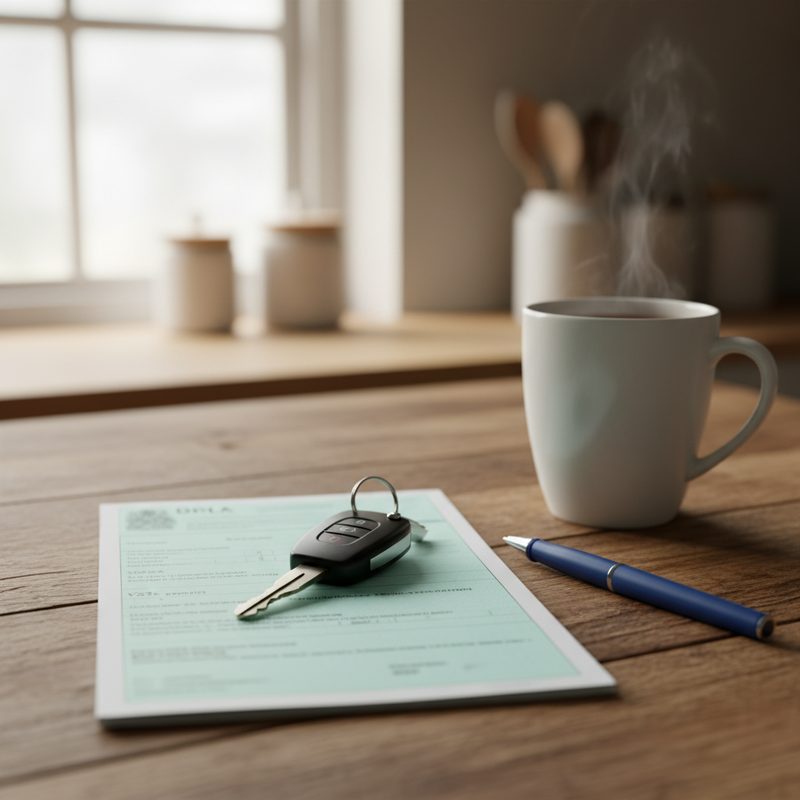
- V5C Registration Document: This is the car’s logbook, proving who the registered keeper is. Make sure it matches the seller’s details. If the seller can’t provide this, walk away faster than you can say ‘lemon’.
- MOT Certificate: If the car is over three years old, it should have a valid MOT certificate. Check the expiry date and ensure it’s passed all necessary tests. You can also check the MOT history online.
- Service History: A full service history is like a health report for the car. It shows how well it’s been maintained. Ask for receipts and service stamps to back it up.
- Previous Owners: The V5C will also tell you how many previous owners the car has had. Generally, fewer owners can indicate a more reliable vehicle.
4. Conduct a Vehicle Check
Before you hand over any cash, use my free vehicle check tool to verify the car’s history. This will reveal any outstanding finance, previous accidents, or if it’s been written off. It’s a small step that can save you a lot of heartache later on.
5. Test Drive
Once you’re satisfied with the paperwork, it’s time for a test drive. Make sure you take it on a variety of roads to get a feel for how it handles. Listen for any unusual noises and check that all the gadgets work. If it doesn’t feel right, it probably isn’t.
6. Finalise the Purchase
If everything checks out, it’s time to seal the deal. Ensure you receive:
- A receipt: This should include the car’s details, the price you paid, and both parties’ names and addresses.
- V5C: The seller should fill out the relevant sections of the V5C and give it to you. You’ll need to send this to the DVLA to register the car in your name.
- MOT and Service Records: Keep these safe for future reference.
What Documents/Preparation You Need
Now that you’ve got the process down, let’s dive deeper into the specific documents you’ll need:
Essential Documents for Buyers
- Driving Licence: As mentioned earlier, this is your ticket to the road. Make sure it’s valid and not expired.
- Proof of Address: A recent utility bill or bank statement will do the trick. It’s a good idea to have a digital copy on your phone as well.
- Insurance Certificate: Don’t forget to arrange this before you buy. You can often get a policy in place for the day of purchase.
Essential Documents for Sellers
If you’re selling a car, make sure you have:
- V5C Registration Document: This proves ownership and is essential for the buyer.
- MOT Certificate: If applicable, this shows the car is roadworthy.
- Service History: A well-documented service history can make your car more appealing.
Common Mistakes to Avoid
Even the most seasoned car buyers can trip up. Here are some common blunders to steer clear of:
1. Skipping the Vehicle Check
I can’t stress this enough: always check the vehicle history! It’s a small step that can save you from buying a car that’s been in a serious accident or has outstanding finance.
2. Not Test Driving
Never buy a car without taking it for a spin. It’s like buying a pair of shoes without trying them on. You wouldn’t do that, would you?
3. Rushing the Purchase
Take your time! Don’t let anyone pressure you into making a decision. If it doesn’t feel right, walk away. There are plenty of fish in the sea, or in this case, cars on the road.
4. Ignoring the Paperwork
Always double-check the paperwork. Ensure everything is in order and matches what the seller has told you. If something seems off, it probably is.
Legal Rights and Protections
As a buyer, you have certain rights that protect you:
1. The Consumer Rights Act 2015
This law states that any goods sold must be of satisfactory quality, fit for purpose, and as described. If the car turns out to be a dud, you have the right to a refund or repair.
2. Sale of Goods Act
If you buy from a dealer, they are legally obliged to sell you a car that isn’t faulty. If you discover a fault shortly after purchase, you may have a claim for a refund or repair.
3. Private Sales
Buying from a private seller is a bit different. You have less protection, so it’s even more crucial to do your homework and check everything thoroughly.
Practical Tips from Dave's Experience
Now that we’ve covered the basics, here are some nuggets of wisdom from my years of experience:
1. Don’t Be Afraid to Haggle
Most sellers expect a bit of negotiation. Don’t be shy! If you spot a flaw or if the car isn’t quite what you expected, use that to your advantage.
2. Bring a Friend
Two heads are better than one. Having a mate along can help you spot things you might miss and provide a second opinion.
3. Be Wary of Too-Good-to-Be-True Deals
If a deal seems too good to be true, it probably is. Trust your instincts and don’t rush into anything.
4. Keep All Documentation Safe
Once you’ve bought the car, keep all documents in a safe place. You’ll need them for future reference, especially when it comes to selling the car later on.
Checklist or Action Items
Before you head out to buy your used car, here’s a handy checklist:
- Research the car model and prices.
- Gather your driving licence and proof of address.
- Arrange insurance.
- Check the car’s V5C, MOT, and service history.
- Use my free vehicle check tool.
- Take the car for a test drive.
- Ensure you receive a receipt and all relevant documents.
Conclusion
Buying a used car doesn’t have to be a daunting task. By following this guide and ensuring you have all the necessary documents in order, you’ll be well on your way to driving off in your new wheels. Remember to do your research, check the vehicle history, and never rush into a purchase. And don’t forget to use my free vehicle check tool before you buy — it could save you a world of trouble down the line. Happy car hunting!
Use Dave's free vehicle check tool before buying any used car
Get Dave's free AI-powered vehicle check before you make a decision.