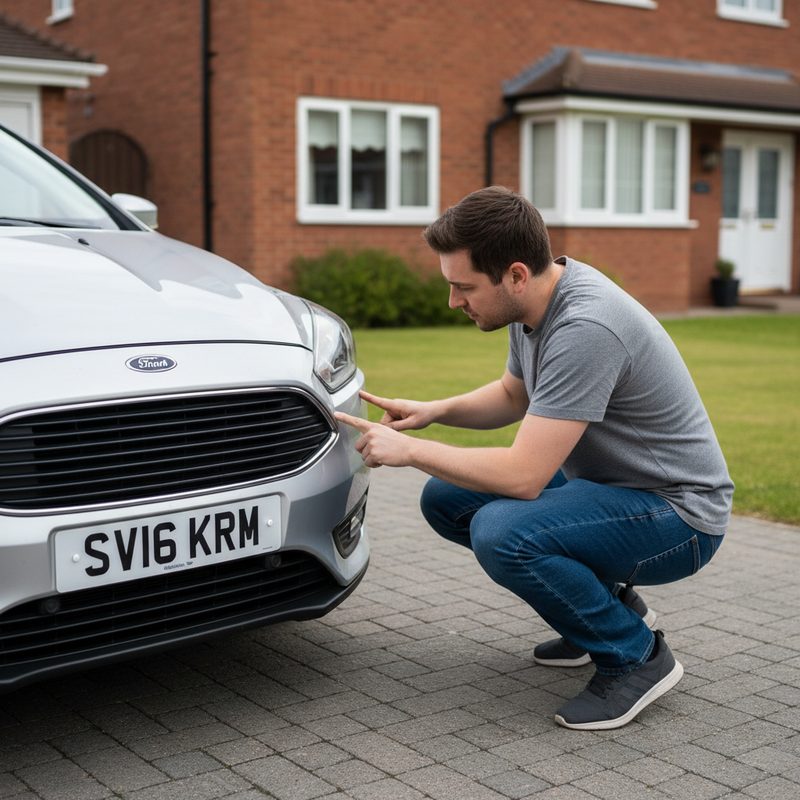
What Does A Failed Mot Mean When Buying — Dave's Complete Guide
Navigating a failed MOT can be daunting when buying a used car. This guide breaks down what it means, your options, and practical tips to ensure a smart purchase.
Understanding the MOT Test
The MOT (Ministry of Transport) test is a crucial annual inspection for vehicles over three years old in the UK. It checks for safety, roadworthiness, and environmental standards. A valid MOT certificate is essential for any car on the road, as it indicates that the vehicle meets the minimum safety and emissions requirements. If you’re considering buying a used car, understanding the implications of a failed MOT is vital.
When a car fails its MOT, it means that it has not met one or more of the required standards. Common reasons for failure include issues with brakes, lights, tyres, and emissions. A failed MOT can be a red flag, but it doesn’t necessarily mean the car is a bad purchase. It’s essential to investigate further and understand the specific reasons for the failure.
What a Failed MOT Indicates
A failed MOT can indicate various issues, ranging from minor to severe. For instance, a car might fail due to something as simple as a blown bulb, which can be easily fixed. However, it could also fail due to more serious problems, such as a failing brake system or significant body corrosion. Understanding the reasons behind the failure is crucial before making a decision.
You can check the specific reasons for a car's MOT failure by visiting the GOV.UK MOT history page. This resource allows you to see past MOT results, including any advisories that may not have led to a failure but could indicate potential future problems. Knowing the history of the vehicle can help you negotiate a better price or decide whether to walk away.
Assessing the Cost of Repairs
Once you know why a car has failed its MOT, the next step is to assess the cost of repairs. Some issues may be straightforward and inexpensive to fix, while others could lead to significant expenses. For example, replacing a set of tyres might cost around £200-£400, depending on the brand and type, while more complex issues like a failing exhaust system could run into the thousands.
It’s wise to get a quote from a trusted mechanic for any necessary repairs before finalising your purchase. This way, you can factor the repair costs into your budget. Additionally, if the seller is unwilling to fix the issues, you can use the repair costs as leverage in negotiations. If you’re unsure about the repair process, consider reading my guide on used car inspection checklist to understand what to look for.
Your Rights When Buying a Car with a Failed MOT
When purchasing a used car, especially one that has failed its MOT, it’s essential to understand your rights as a buyer. If you buy a car from a dealer, you are protected under the Consumer Rights Act. This means that the car must be of satisfactory quality, fit for purpose, and as described. If the car fails its MOT shortly after purchase, you may have grounds for a refund or repair.
However, if you buy from a private seller, the rules change. Private sales are generally “sold as seen,” meaning you have limited rights. If the seller has not disclosed the failed MOT, you may have a case for misrepresentation. It’s crucial to ask for all relevant documents, including the MOT history, and to be aware of your rights. For more information, check out my guide on consumer rights buying private sale car.
Common Mistakes to Avoid
Navigating the used car market can be tricky, especially when faced with a failed MOT. Here are some common mistakes to avoid:
-
Ignoring the MOT History: Always check the MOT history of any car you’re considering. This can reveal past issues and give you insight into how well the car has been maintained.
-
Not Getting a Pre-Purchase Inspection: If a car has failed its MOT, it’s wise to get a thorough inspection from a qualified mechanic. They can provide a detailed report on the car’s condition and potential repair costs.
-
Rushing the Purchase: Don’t feel pressured to buy a car immediately. Take your time to assess the vehicle, its history, and any potential repair costs. Rushing can lead to costly mistakes.
-
Overlooking Legal Rights: Understand your rights as a buyer, especially when purchasing from a private seller. Familiarise yourself with the Consumer Rights Act and what it means for your purchase.
-
Neglecting to Negotiate: If a car has failed its MOT, use this to your advantage during negotiations. Sellers may be willing to lower the price to account for the necessary repairs.
Practical Tips from Dave's Experience
Having been in the used car market for years, I’ve gathered some practical tips that can help you navigate the process:
-
Always Check the Seller's Reputation: Whether buying from a dealer or a private seller, do your research. Look for reviews or ask for recommendations from friends or family. A reputable seller is more likely to be honest about the car’s condition.
-
Don’t Skip the Test Drive: Always take the car for a test drive. This will give you a feel for how it handles and can help you identify any immediate issues, such as strange noises or handling problems.
-
Be Wary of Deals That Seem Too Good to Be True: If a car is significantly cheaper than similar models, it’s worth investigating why. A failed MOT could be a red flag, but it could also indicate underlying issues that the seller is trying to offload.
-
Consider the Total Cost of Ownership: Beyond the purchase price, consider insurance, tax, and maintenance costs. Some cars may be cheaper upfront but could cost more in the long run due to higher insurance premiums or fuel consumption.
-
Use Technology to Your Advantage: Tools like the DVLA vehicle check can provide valuable information about the car’s history, including its MOT status and any outstanding finance.
Conclusion: Making an Informed Decision
Buying a used car with a failed MOT doesn’t have to be a daunting experience. By understanding what a failed MOT means, assessing repair costs, and knowing your rights, you can make a more informed decision. Always take the time to research the car’s history and consider getting a pre-purchase inspection to avoid any nasty surprises.
If you’re feeling overwhelmed, remember that you don’t have to navigate this process alone. Use tools like Vehicle Intelligence to check any car you’re considering. With the right information and a bit of patience, you can find a reliable vehicle that meets your needs and budget.
Whether you’re looking for a family car or a reliable commuter, being informed is your best asset in the used car market. Don’t rush; take your time to ensure you’re making the right choice for your circumstances. Happy car hunting!
Use Dave to check any car you're considering
Get Dave's free AI-powered vehicle check before you make a decision.