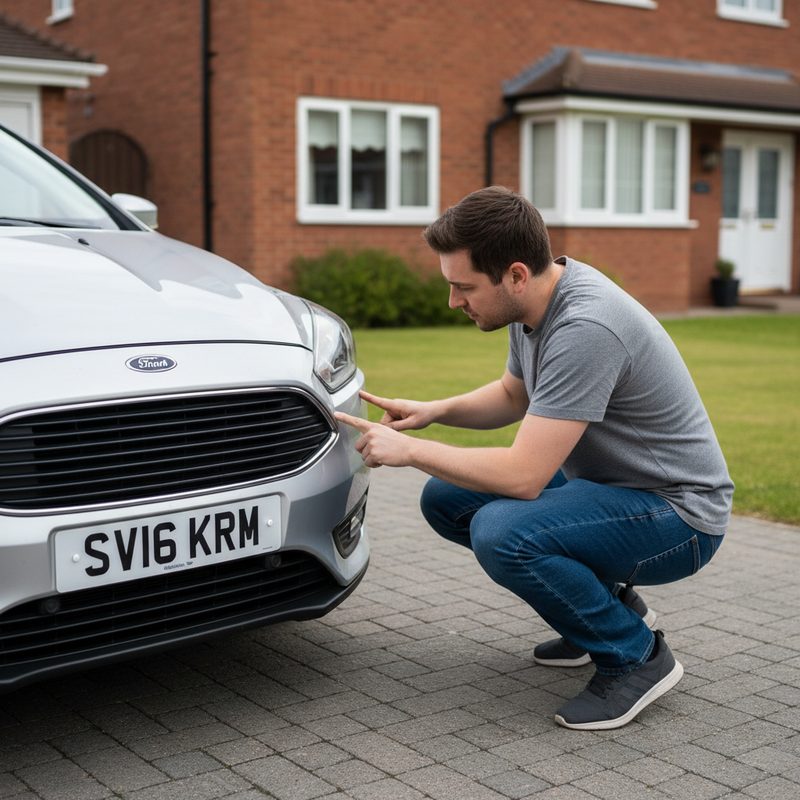
What Is an HPI Check and Do You Need One?: Dave's Complete Guide
This comprehensive guide explains HPI checks, their importance in used car buying, and how to navigate the process effectively.
Understanding HPI Checks
When it comes to buying a used car, knowledge is power. One of the most crucial tools in your arsenal is the HPI check. But what exactly is it? An HPI check is a vehicle history report that reveals vital information about a car's past. This includes whether it has been stolen, written off, or has outstanding finance. In the UK, the term 'HPI' comes from the company that pioneered these checks, but today, various providers offer similar services.
Imagine you're in the market for a second-hand Ford Fiesta. You find a lovely 2017 model at a local dealer for £10,000. It looks pristine, and the dealer seems trustworthy. However, without an HPI check, you might be stepping into a minefield. What if that car was stolen, or worse, written off after an accident? An HPI check can unveil these hidden truths, ensuring you make a safe investment.
The Importance of an HPI Check
So, why is an HPI check so important? The reality is that the used car market can be fraught with risks. According to the latest statistics, around 1 in 3 used cars have some form of hidden history. This could range from minor issues like previous accidents to major concerns such as being stolen or having outstanding finance.
Let’s consider a scenario. You’ve done your research and found a great deal on a 2015 BMW 3 Series for £15,000. You’re excited and ready to hand over the cash. But what if that car was previously involved in a serious accident and was written off? You might think you’re getting a bargain, but you could end up with a vehicle that’s worth far less than you paid, or worse, one that’s unsafe to drive.
An HPI check can help you avoid these pitfalls. It provides you with a comprehensive report that includes:
- Stolen Vehicle Check: Confirms if the car has been reported stolen.
- Write-Off Status: Indicates whether the vehicle has been declared a total loss by an insurance company.
- Outstanding Finance: Reveals if there is any finance owed on the vehicle, which could lead to repossession.
- Mileage Verification: Checks if the mileage is consistent with what’s been reported.
By investing a small amount (typically between £10 and £30) in an HPI check, you’re protecting yourself from potentially costly mistakes.
How to Conduct an HPI Check
Now that you understand the importance of an HPI check, let’s walk through the process of conducting one. It’s straightforward and can usually be done online in just a few minutes. Here’s how:
Step 1: Gather Vehicle Information
Before you can perform an HPI check, you’ll need some key details about the vehicle. This includes:
- Registration Number: The car’s number plate.
- VIN (Vehicle Identification Number): This is a unique 17-character code that identifies the vehicle. You can usually find it on the dashboard near the windscreen or inside the driver’s door frame.
- Current Mileage: The odometer reading at the time of the check.
Step 2: Choose a Reputable HPI Check Provider
There are several providers of HPI checks in the UK, including HPI itself, Experian, and AutoCheck. It’s essential to choose a reputable provider to ensure you receive accurate and comprehensive information. Look for reviews and ratings to help you make an informed decision.
Step 3: Complete the Check
Once you’ve selected a provider, you’ll need to enter the vehicle information you gathered earlier. After payment, the system will process your request and generate a report. This usually takes just a few minutes.
Step 4: Review the Report
After receiving the report, take the time to review it thoroughly. Look for any red flags, such as a write-off status or outstanding finance. If the report raises any concerns, it’s worth reconsidering your purchase or negotiating with the seller.
What Documents and Preparation You Need
Before you embark on your used car buying journey, it’s essential to prepare adequately. Here’s a list of documents and preparations you should have in place:
1. Driving Licence
You’ll need a valid driving licence to test drive any vehicle. Make sure it’s up to date and that you bring it along when you go to view cars.
2. Proof of Address
Some dealers may require proof of address, especially if you’re purchasing from a private seller. A recent utility bill or bank statement should suffice.
3. Insurance
Before you can drive away in your new car, you’ll need to have insurance in place. It’s wise to shop around for quotes before you start viewing cars, so you know what to expect.
4. Financing Options
If you’re not buying outright, consider your financing options. Whether it’s a bank loan, personal loan, or dealer finance, have a plan in place before you start negotiating.
5. HPI Check Report
As discussed, having an HPI check report is crucial. Make sure you conduct this check before finalising any purchase.
6. MOT History
Check the MOT history of the vehicle. You can do this online via the DVLA website. This will give you insights into any past issues and whether the car has been regularly maintained.
Common Mistakes to Avoid
Navigating the used car market can be tricky, and many buyers make common mistakes that can lead to regret. Here are some pitfalls to avoid:
1. Skipping the HPI Check
This is the most significant mistake you can make. Skipping the HPI check is like buying a house without a survey. You might think you’re saving money, but you could end up with a lemon.
2. Not Test Driving the Car
Always test drive the vehicle before purchasing. This allows you to assess how it handles, listen for any unusual noises, and check for comfort. Don’t be shy about taking it for a decent spin.
3. Ignoring the Seller’s Reputation
Whether buying from a dealer or a private seller, take the time to research their reputation. Look for reviews online and ask for references if necessary. A trustworthy seller will be transparent about the car’s history.
4. Focusing Solely on Price
While price is undoubtedly important, don’t let it cloud your judgement. A cheaper car may come with hidden issues that could cost you more in the long run. Balance your budget with the car’s overall condition and history.
5. Rushing the Process
Buying a used car can be exciting, but don’t rush into a decision. Take your time to do your research, conduct checks, and ensure you’re making the right choice.
Legal Rights and Protections
As a used car buyer in the UK, you have certain legal rights and protections that can help safeguard your purchase. Understanding these rights is crucial to ensure you’re protected in case something goes wrong.
1. Consumer Rights Act 2015
Under this act, you have the right to expect that the car you buy is of satisfactory quality, fit for purpose, and as described. If the car doesn’t meet these standards, you may have the right to a refund, repair, or replacement.
2. Distance Selling Regulations
If you purchase a car online or over the phone, you have the right to cancel the purchase within 14 days. This is particularly relevant if you buy from a dealer who operates online.
3. Warranty and Guarantees
Many dealers offer warranties on used cars, which can provide additional peace of mind. Make sure to read the terms and conditions carefully to understand what is covered and for how long.
4. MOT and Service History
If the car is over three years old, it must have a valid MOT certificate. Always ask for the service history to ensure the car has been well maintained. This can also help you identify any potential issues before they arise.
Practical Tips from Dave's Experience
As someone who’s been in the used car game for years, I’ve seen it all. Here are some practical tips to help you navigate the process:
1. Do Your Research
Before you even start looking at cars, do your homework. Research the makes and models you’re interested in, their common issues, and what you should expect to pay. Websites like AutoTrader and What Car? can provide valuable insights.
2. Be Wary of Deals That Seem Too Good to Be True
If you come across a car that’s significantly cheaper than similar models, be cautious. This could be a sign of hidden problems. Always conduct an HPI check and trust your instincts.
3. Don’t Be Afraid to Negotiate
When it comes to price, don’t be afraid to negotiate. Sellers expect some back-and-forth, and you could save yourself a few hundred pounds. Just be polite and reasonable in your approach.
4. Get a Professional Inspection
If you’re serious about a particular vehicle, consider getting a professional inspection. A mechanic can identify issues that you might miss, giving you peace of mind before you commit.
5. Keep All Documentation
Once you’ve purchased your car, keep all documentation in a safe place. This includes the HPI check report, MOT certificates, service history, and any warranties. This will be invaluable if you need to make a claim or sell the car in the future.
Checklist for Buying a Used Car
To wrap things up, here’s a handy checklist to guide you through the used car buying process:
- Research the Car: Know the make, model, and common issues.
- Check the Price: Compare prices on various platforms.
- Gather Vehicle Information: Registration number, VIN, and mileage.
- Conduct an HPI Check: Ensure the vehicle’s history is clear.
- Arrange a Test Drive: Assess the car’s condition and performance.
- Negotiate the Price: Don’t hesitate to haggle.
- Review Documentation: Ensure all paperwork is in order.
- Get Insurance: Have a policy ready before driving away.
- Complete the Sale: Finalise payment and paperwork.
- Keep Records: Store all documents for future reference.
Conclusion
Buying a used car can be a daunting task, but with the right knowledge and preparation, you can make a smart investment. An HPI check is an essential step in this process, providing you with the information you need to avoid costly mistakes. Remember, it’s not just about finding a good deal; it’s about ensuring you’re making a safe and informed purchase. So, before you hand over your hard-earned cash, make sure to check the car’s history. Trust me, it’s worth it. Happy car hunting!