How To Check For Accident Damage: Dave's Complete Guide
Discover how to identify accident damage on used cars with Dave's comprehensive guide. Make informed decisions and avoid costly mistakes.
Understanding Accident Damage in Used Cars
Accident damage can significantly affect a used car's value, safety, and reliability. It’s crucial to understand the implications of purchasing a vehicle that has been in an accident. Even minor collisions can lead to hidden issues that may not be immediately apparent. When you're considering a used car, knowing how to check for accident damage is essential for making an informed decision.
Accident damage can range from cosmetic issues, such as dents and scratches, to structural problems that can compromise the vehicle's integrity. In the UK, many cars are involved in accidents each year, and while some are repaired to a high standard, others may have lingering problems. This guide will walk you through the steps to identify potential accident damage and ensure that you’re not left with a lemon.
Step-by-Step Process to Check for Accident Damage
1. Visual Inspection
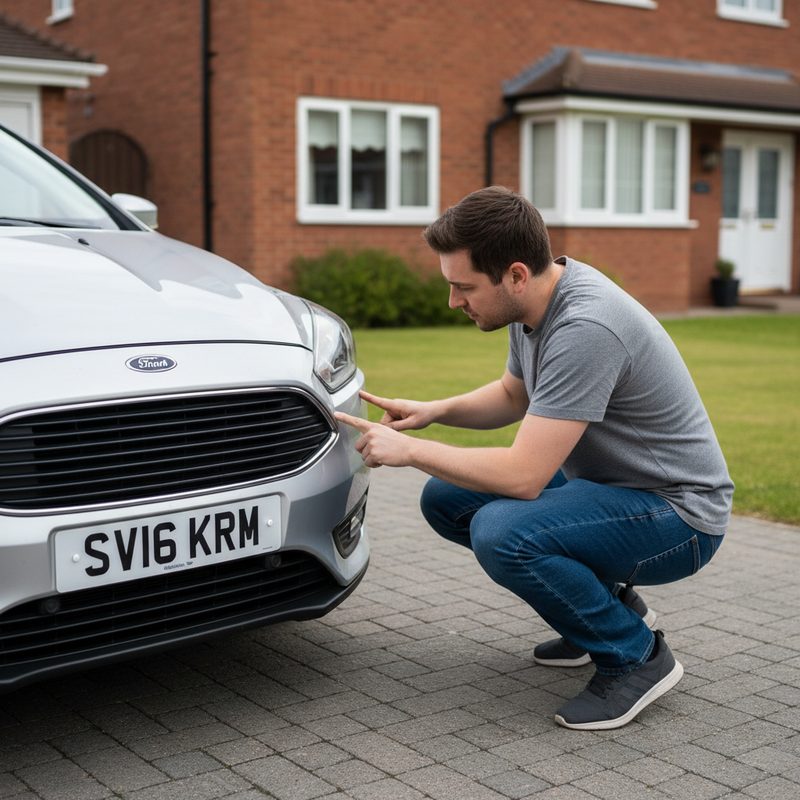
Start with a thorough visual inspection of the vehicle. Look for signs of damage on the exterior, including:
- Dents and Scratches: Check for any dents, scratches, or paint imperfections. Pay special attention to areas like the bumpers, doors, and wheel arches, as these are common impact points.
- Panel Gaps: Inspect the gaps between body panels. Uneven gaps can indicate that panels have been replaced or improperly aligned after a repair.
- Paint Quality: Look for mismatched paint or overspray, which can suggest that a panel has been repainted after an accident. Use a magnet to check for body filler; if it sticks, the panel is likely original.
2. Check the Undercarriage
The undercarriage can reveal a lot about a car's history. Look for signs of:
- Rust: Excessive rust can indicate poor repairs or prolonged exposure to water after an accident.
- Weld Marks: If you see fresh weld marks, it could mean that the car has undergone structural repairs. While some repairs are acceptable, extensive welding may indicate a serious accident.
- Fluid Leaks: Check for any fluid leaks, which can indicate damage to the engine or transmission from a collision.
3. Inspect the Interior
Don’t forget to check the interior of the vehicle. Look for:
- Airbags: Ensure that all airbags are intact and functioning. If the airbag warning light is on, it could indicate that the airbags have been deployed and not replaced.
- Seatbelts: Check the seatbelts for signs of wear or damage. If they appear frayed or have been replaced, the car may have been involved in a serious accident.
- Odour: A musty or unusual smell can indicate water damage from an accident, especially if the car has been involved in a flood.
4. Review the Vehicle History
A vehicle history report is invaluable when checking for accident damage. Use services like the CarBuyerIQ Vehicle Check to get a comprehensive report that includes:
- Accident History: Look for any reported accidents and the extent of the damage.
- MOT History: Check the car's MOT history on the GOV.UK MOT history site to see if there were any advisories or failures related to accident damage.
- Previous Owners: A high number of previous owners can indicate issues with the vehicle, including accident history.
5. Professional Inspection
If you’re still unsure about the vehicle's condition, consider hiring a professional mechanic to conduct a thorough inspection. They can identify issues that may not be visible to the untrained eye, such as:
- Structural Integrity: A mechanic can assess whether the car's frame is straight and if any repairs were done correctly.
- Mechanical Issues: They can check for any mechanical problems that may have arisen from an accident, such as alignment issues or suspension damage.
What Documents and Preparation You Need
Before you start your inspection, gather the necessary documents and prepare yourself:
- V5C Registration Document: This document will tell you the number of previous owners and the car's registered keeper. It’s essential for verifying the car’s history.
- Service History: A complete service history can indicate how well the car has been maintained. Look for records of repairs, especially after an accident.
- MOT Certificates: Collect the MOT certificates to see if the car has passed inspections and if there were any advisories related to accident damage.
- Insurance Write-Off Information: Check if the vehicle has been classified as a write-off by an insurance company. You can find this information through a vehicle history check.
Common Mistakes to Avoid
When checking for accident damage, it’s easy to overlook critical details. Here are some common mistakes to avoid:
- Rushing the Inspection: Take your time during the inspection. Rushing can lead to missed signs of damage.
- Ignoring the History Report: Always check the vehicle history report. Ignoring this step can lead to costly mistakes.
- Not Asking Questions: Don’t hesitate to ask the seller about the car’s history. If they seem evasive or defensive, it could be a red flag.
- Overlooking Minor Damage: Even minor cosmetic damage can indicate more significant issues. Don’t dismiss small dents or scratches as unimportant.
Legal Rights and Protections
As a buyer in the UK, you have certain legal rights when purchasing a used car:
- Consumer Rights Act: Under this act, the vehicle must be as described, fit for purpose, and of satisfactory quality. If the seller misrepresents the car, you may have grounds for a claim.
- Distance Selling Regulations: If you purchase a car online, you have a 14-day cooling-off period during which you can return the vehicle for a full refund.
- Private Sales vs Dealer Sales: The protections differ between private sales and dealer sales. Dealers must provide a certain level of warranty, while private sellers do not have the same obligations. For more information on this, check out Private Seller Vs Dealer Which Is Safer: Dave's Complete Guide.
Practical Tips from Dave's Experience
Here are some practical tips to keep in mind when checking for accident damage:
- Trust Your Instincts: If something feels off about the car or the seller, trust your gut. It’s better to walk away than to make a hasty decision.
- Don’t Be Afraid to Negotiate: If you discover minor damage, use it as leverage to negotiate a better price. For tips on negotiating, check out How To Negotiate On A Used Car And Save Money: Dave's Complete Guide.
- Consider the Insurance Group: Cars in higher insurance groups may be more expensive to repair after an accident. Check the Thatcham insurance groups to understand the potential costs.
- Get a Second Opinion: If you’re unsure about a car, bring along a friend or family member who knows about cars. A second opinion can provide valuable insights.
Checklist for Accident Damage Inspection
To help you remember what to check, here’s a handy checklist:
- Exterior Inspection: Look for dents, scratches, and paint mismatches.
- Interior Inspection: Check airbags, seatbelts, and odours.
- Undercarriage Check: Look for rust, weld marks, and leaks.
- Vehicle History Report: Obtain a report and review accident history.
- Professional Inspection: Consider hiring a mechanic for a thorough check.
Conclusion
Checking for accident damage is a crucial step in the used car buying process. By following the steps outlined in this guide, you can ensure that you make an informed decision and avoid potential pitfalls. Always remember to conduct a thorough inspection, review the vehicle's history, and don’t hesitate to seek professional help if needed.
Before making any purchase, consider using the CarBuyerIQ Vehicle Check for a comprehensive report on the vehicle's history. This can save you time, money, and headaches down the road. With the right preparation and knowledge, you can confidently find a used car that meets your needs without the worry of hidden accident damage.