How to Check a Used Car Before Buying — 20 Point Guide — Dave's Complete Guide
Dave's ultimate 20-point guide to checking a used car before buying, packed with practical tips and insights to help you make a smart purchase.
Introduction
Buying a used car can feel like navigating a minefield, can’t it? One minute you’re dreaming of cruising down the motorway in your shiny new ride, and the next you’re knee-deep in dodgy paperwork and questionable sellers. Fear not, my friend! I’m here to guide you through the process with a 20-point checklist that’ll help you check a used car before you hand over your hard-earned cash. So grab a cuppa, and let’s dive in!
1. Set Your Budget
Before you even think about stepping foot in a dealership or browsing online, you need to set a budget. Now, I’m not just talking about the cost of the car itself. Think about insurance, tax, fuel, and maintenance costs. A good rule of thumb is to allocate an additional 20% of your budget for these ongoing expenses. For example, if you’re looking at a car priced at £8,000, budget for around £1,600 more for the year. This way, you won’t end up in a financial pickle down the line.
2. Research the Model
Once you’ve got your budget sorted, it’s time to do some homework. Research the make and model of the car you’re interested in. Look for reviews, reliability ratings, and common issues. Websites like What Car? and AutoTrader can provide valuable insights. If you’re eyeing a Ford Fiesta, for instance, check if there are any recurring problems, like dodgy electrics or engine issues. Knowledge is power, and it’ll give you the upper hand when negotiating.
3. Check the Vehicle History
Now that you’ve narrowed down your options, it’s time to dig deeper. Obtain the vehicle's history using the registration number. Services like HPI Check or Experian can provide a detailed report, including whether the car has been written off, has outstanding finance, or has been stolen. This step is crucial; you don’t want to buy a car that’s been through the wringer or has hidden financial baggage.
4. Inspect the Exterior
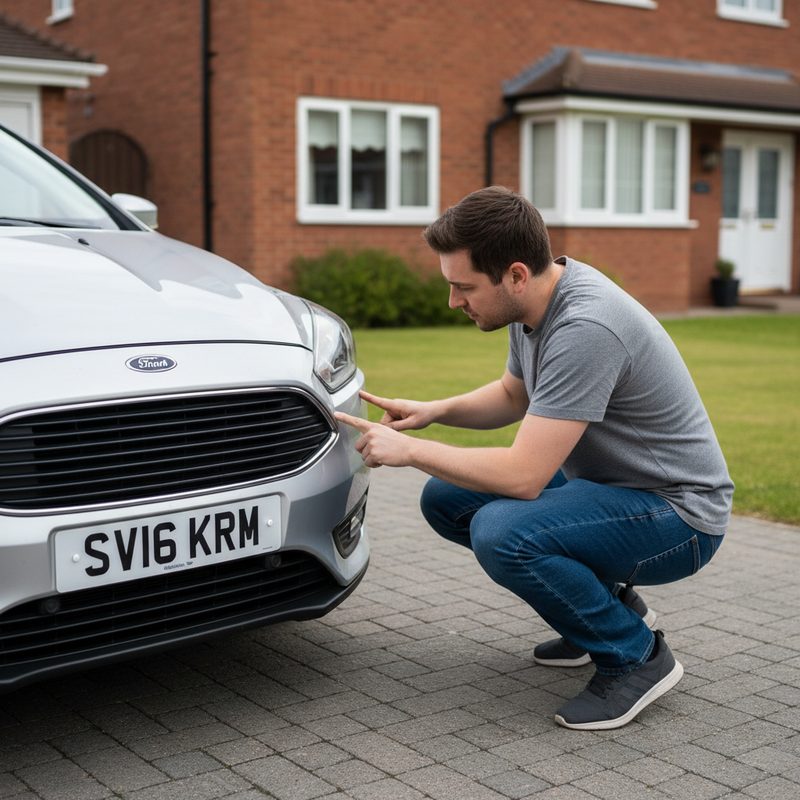
When you finally lay eyes on the car, take a good look at the exterior. Check for any signs of rust, dents, or mismatched paint. These could indicate previous accidents or poor maintenance. Pay special attention to the wheel arches, sills, and around the windows. If you spot any dodgy repairs, it might be time to walk away. Remember, a car that looks good on the outside might be hiding a multitude of sins underneath.
5. Check the Tyres
Tyres are the unsung heroes of any vehicle. Make sure they’re in good condition, with at least 3mm of tread depth (the legal minimum is 1.6mm, but let’s not push it). Check for uneven wear, which could indicate alignment issues or suspension problems. Don’t forget to check the spare tyre too; it’s no good if it’s flat when you need it most. If you need to replace all four tyres, that could set you back around £400-£600.
6. Look Under the Bonnet
Pop the bonnet and take a peek under there. Look for any signs of leaks, corrosion, or worn belts. Check the oil level and quality; it should be a nice golden colour, not black and sludgy. If it’s low or dirty, that could indicate neglect. Also, check the coolant level and condition. If the coolant’s low, it might be a sign of a bigger problem. A well-maintained engine is crucial for a reliable car.
7. Check the Interior
Now, let’s move inside. Inspect the upholstery for any signs of wear and tear. Check the functionality of all buttons, switches, and controls. Make sure the air conditioning works, and don’t forget to test the stereo. If you’re buying a family car, check the back seats for child seat marks or stains. A clean interior is a good sign that the previous owner took care of the car.
8. Test the Lights
You might think this is a no-brainer, but you’d be surprised how many buyers forget to check the lights. Test all the headlights, brake lights, indicators, and fog lights. If any bulbs are out, it’s a simple fix, but it’s a hassle you don’t want to deal with right after buying the car. Plus, it’s a good opportunity to see if the seller is honest about the car’s condition.
9. Take It for a Test Drive
This is where the magic happens! Take the car for a test drive to get a feel for how it handles. Pay attention to how it accelerates, brakes, and steers. Listen for any strange noises, like rattles or squeaks. Test it on different road types, including motorways and bumpy back roads. If it feels off in any way, trust your instincts. You don’t want to be stuck with a lemon.
10. Check the Mileage
Mileage is a crucial factor when buying a used car. A general rule of thumb is to expect around 10,000-12,000 miles per year. If the car has significantly lower mileage, it could be a red flag. Conversely, if it’s clocked up over 100,000 miles, it might be nearing the end of its life. Always cross-reference the mileage with the service history to ensure it adds up.
11. Review the Service History
A comprehensive service history is a good sign that the car has been well cared for. Look for regular servicing, including oil changes, brake checks, and any major repairs. If the seller can’t provide a service history, it’s a cause for concern. A car that’s been neglected is more likely to develop issues down the line. Ideally, you want a car with a full-service history, which can increase its value by up to £1,000.
12. Check for Recalls
Some cars have been recalled for safety issues or defects. Check if the model you’re considering has any outstanding recalls that haven’t been addressed. You can find this information on the manufacturer’s website or through the DVSA. If there are recalls, ensure they’ve been resolved before you buy. Safety first, right?
13. Verify the MOT Status
If the car is over three years old, it will need an MOT. Check the MOT history online using the registration number. Look for any advisories or failures in the past. If the car has a long MOT left, that’s a good sign, but if it’s due soon, factor in the cost of getting it through the next one. An MOT can cost anywhere from £40 to £60, depending on where you go.
14. Understand Your Legal Rights
When buying a used car, it’s essential to know your legal rights. Under the Consumer Rights Act 2015, you have the right to expect that the car is of satisfactory quality and fit for purpose. If the car has significant faults that were not disclosed, you may be entitled to a refund or repair. Always get everything in writing, and don’t be afraid to ask questions. Knowledge is your best defence!
15. Negotiate the Price
Once you’ve done all your checks, it’s time to negotiate. Use any issues you’ve found as leverage to bring the price down. If the tyres need replacing or there’s a minor scratch, don’t hesitate to mention it. Sellers expect some haggling, so don’t be shy! Just remember to be polite and reasonable; nobody likes a rude buyer.
16. Don’t Rush the Purchase
It can be tempting to rush into a purchase, especially if you’ve found a car you like. But take your time! If you feel pressured by the seller, it’s a red flag. Walk away if you’re not 100% sure. There are plenty of fish in the sea, and you don’t want to end up with buyer’s remorse. Trust me, it’s better to wait for the right car than to settle for a dud.
17. Get a Professional Inspection
If you’re still unsure, consider getting a professional inspection. A qualified mechanic can spot issues that you might miss. This service typically costs between £100 and £200, but it could save you a fortune in repairs later on. If the seller is hesitant about you getting an inspection, that’s another red flag. A trustworthy seller should have no problem with it.
18. Finalise the Paperwork
Once you’ve agreed on a price and are satisfied with the car, it’s time to finalise the paperwork. Ensure you receive the V5C registration document, which proves you’re the new owner. Double-check that all the details are correct. If the seller can’t provide this, walk away. You’ll also need to inform the DVLA of the change of ownership, which you can do online.
19. Insure Your New Car
Before you hit the road, don’t forget to sort out insurance. Shop around for the best deals, and consider factors like your driving history and the car’s value. You can often get a quote online in minutes. Remember, driving without insurance is illegal and could land you in hot water. Don’t be that person!
20. Enjoy Your New Ride
Congratulations! You’ve successfully navigated the used car buying process. Now it’s time to enjoy your new wheels. Take it for a spin, show it off to your mates, and revel in the glory of a smart purchase. Just remember to keep up with regular maintenance to keep your car running smoothly for years to come.
Conclusion
Buying a used car doesn’t have to be a daunting task. With this 20-point guide, you’re now equipped with the knowledge and tools to make an informed decision. Remember to take your time, do your research, and trust your instincts. And if you ever feel overwhelmed, don’t hesitate to use Dave to check any car you’re considering. Happy car hunting, and may your next ride be a beauty!
Checklist for Buying a Used Car
- Set your budget (including ongoing costs)
- Research the make and model
- Check the vehicle history
- Inspect the exterior and tyres
- Look under the bonnet
- Check the interior and lights
- Take it for a test drive
- Review the mileage and service history
- Check for recalls and MOT status
- Understand your legal rights
- Negotiate the price
- Don’t rush the purchase
- Get a professional inspection if needed
- Finalise the paperwork
- Insure your new car
- Enjoy your new ride!
With this checklist in hand, you’re ready to tackle the used car market like a pro. Good luck, and remember, I’m just a click away if you need any help along the way!
Use Dave to check any car you're considering
Get Dave's free AI-powered vehicle check before you make a decision.