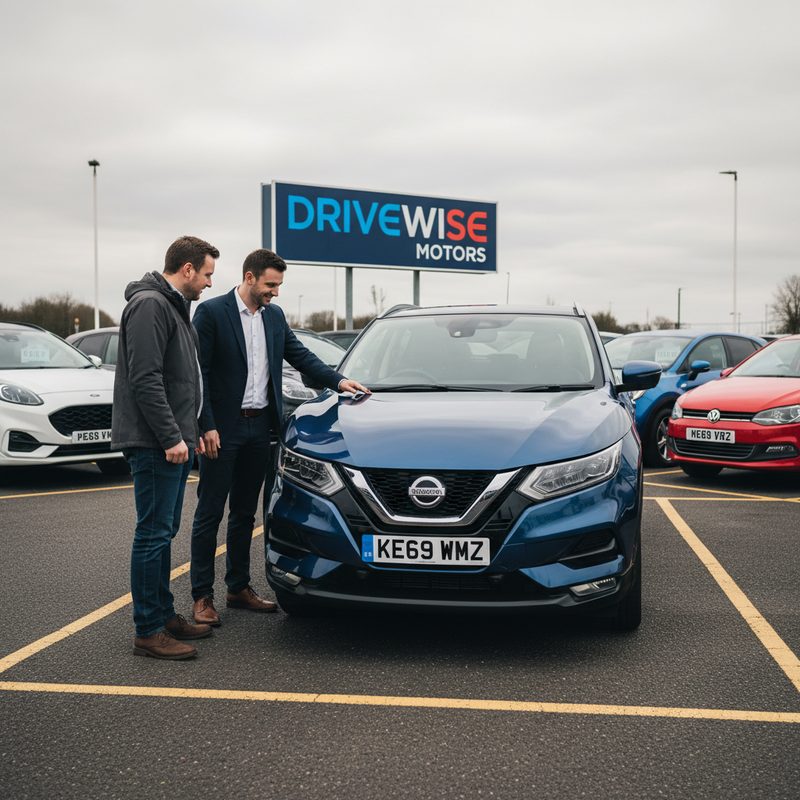
Private Seller Vs Dealer Which Is Safer — Dave's Complete Guide
Navigating the used car market can be tricky. This guide dives into the safety of buying from private sellers versus dealers, helping you make an informed choice.
Understanding the Landscape of Used Car Buying
Buying a used car is often a rite of passage for many drivers in the UK. Whether you’re a first-time buyer or looking to upgrade, the decision between purchasing from a private seller or a dealer can be daunting. Each option has its own set of pros and cons, and understanding these can significantly impact your buying experience. So, which route is safer? Let’s dive into the details.
The Appeal of Private Sellers
Private sellers often attract buyers with lower prices. After all, they don’t have the overhead costs that dealers do. This can lead to some fantastic bargains if you know what you’re doing. However, the lack of regulation in private sales means you need to be extra vigilant. Private sellers are typically individuals selling their own cars, and they may not have the same level of accountability as a dealer.
One of the biggest advantages of buying from a private seller is the potential for negotiation. Many private sellers are keen to sell quickly, which can lead to a better deal if you’re willing to haggle. Plus, you might find a gem that’s been lovingly cared for, with a full service history and low mileage. But, how do you ensure that you’re not buying a lemon?
Risks Involved with Private Sales
While the allure of lower prices is tempting, there are significant risks associated with buying from private sellers. For starters, there’s no warranty or guarantee on the vehicle. Once the sale is complete, you’re on your own. This is a stark contrast to buying from a dealer, where you often have some form of consumer protection.
Additionally, private sellers may not disclose all the issues with the car. It’s essential to do your homework. A thorough inspection is crucial, and you should always check the car’s history. Websites like GOV.UK MOT history can provide vital information about the vehicle’s past, including any previous failures or advisories.
The Dealer Advantage
On the flip side, purchasing from a dealer often comes with a sense of security. Dealers are bound by consumer protection laws, which means they must provide a certain level of service and transparency. Many dealers offer warranties on their vehicles, which can provide peace of mind. If something goes wrong shortly after your purchase, you have recourse.
Dealers also tend to have a more extensive selection of vehicles, which can be beneficial if you’re looking for something specific. They often provide a more professional buying experience, complete with paperwork and financing options. But does this mean you’re safer when buying from a dealer?
Dealer Risks and Considerations
While dealers provide a layer of protection, they’re not without their pitfalls. Prices at dealerships can be significantly higher than those from private sellers. This is due to the added overhead costs, which can include staff salaries, rent, and other operational expenses. You might find yourself paying a premium for that peace of mind.
Moreover, not all dealers are created equal. Some may engage in questionable practices, such as hiding faults or misrepresenting the vehicle’s condition. It’s crucial to do your due diligence. Always check the dealer’s reputation through reviews and ratings. Websites like AutoTrader can be invaluable for this.
Legal Rights and Protections
Understanding your legal rights is vital when buying a used car, whether from a private seller or a dealer. When purchasing from a dealer, you’re protected under the Consumer Rights Act. This means that the vehicle must be of satisfactory quality, fit for purpose, and as described. If the car turns out to be faulty shortly after purchase, you have the right to a repair, replacement, or refund.
In contrast, buying from a private seller offers far less protection. The seller is only required to disclose known faults, and once the sale is complete, the car is sold as seen. This is why it’s crucial to conduct a thorough inspection and check the vehicle’s history. For more information on your rights when buying from a dealer, check out my guide on consumer rights when buying a used car from a dealer.
Preparing for Your Purchase
Regardless of whether you choose to buy from a private seller or a dealer, preparation is key. Start by setting a budget that includes not just the purchase price, but also insurance, road tax, and potential repairs. Research the make and model you’re interested in, and consider the running costs associated with it. Websites like GOV.UK road tax can help you understand the tax implications of your chosen vehicle.
Next, gather all necessary documents. If you’re buying from a private seller, ensure you have the V5C registration document and check the vehicle’s history through the DVLA vehicle check. For dealers, ensure that all paperwork is in order, including warranties and service history.
Common Mistakes to Avoid
When navigating the used car market, it’s easy to make mistakes that could cost you dearly. One of the most common pitfalls is failing to conduct a thorough inspection. Whether buying from a private seller or a dealer, always check the vehicle’s condition, both mechanically and aesthetically. Don’t be afraid to ask for a test drive, and consider having the car inspected by a professional mechanic if you’re unsure.
Another mistake is neglecting to check the car’s history. This can reveal vital information about previous accidents, outstanding finance, or if the car has been clocked. For tips on how to spot a clocked car, check out my guide on how to spot a clocked car.
Practical Tips from Dave’s Experience
Having spent years in the used car market, I’ve seen it all. Here are some practical tips to help you navigate your purchase:
- Trust Your Instincts: If something feels off about the seller or the car, don’t hesitate to walk away. There are plenty of other options.
- Don’t Rush: Take your time when making a decision. It’s easy to get swept up in the excitement, but a rushed decision can lead to buyer’s remorse.
- Research, Research, Research: Knowledge is power. The more you know about the vehicle and the seller, the better equipped you’ll be to make an informed decision.
- Consider a Warranty: If you’re buying from a dealer, look for a vehicle that comes with a warranty. This can save you money in the long run if issues arise.
Checklist for Buying a Used Car
Before you seal the deal, ensure you’ve ticked off the following checklist:
- Set a realistic budget, including all associated costs.
- Research the make and model thoroughly.
- Check the vehicle’s history using the DVLA and MOT history.
- Inspect the car in person and take it for a test drive.
- Ensure all paperwork is in order, including the V5C registration document.
- If buying from a dealer, confirm warranty details and consumer rights.
Conclusion
In the end, the choice between buying from a private seller or a dealer boils down to your personal preferences and comfort level. Private sales can offer fantastic deals, but they come with risks that require diligence and caution. On the other hand, dealers provide a layer of security and peace of mind, albeit at a higher price.
Regardless of your choice, always do your homework. Use resources like how to check a used car before buying and ensure you’re fully informed before making a purchase. And remember, if you’re ever in doubt, use Dave to check any car you’re considering. Happy car hunting!
Howto Steps
[
    {
        "name": "Set Your Budget",
        "text": "Determine a realistic budget that includes the purchase price, insurance, and running costs."
    },
    {
        "name": "Research Your Options",
        "text": "Investigate different makes and models, focusing on reliability and running costs."
    },
    {
        "name": "Check Vehicle History",
        "text": "Use resources like the DVLA and MOT history to uncover any potential issues with the car."
    },
    {
        "name": "Inspect the Car",
        "text": "Conduct a thorough inspection of the vehicle, both mechanically and aesthetically."
    },
    {
        "name": "Test Drive",
        "text": "Always take the car for a test drive to assess its performance and comfort."
    },
    {
        "name": "Review Paperwork",
        "text": "Ensure all necessary documents are in order, including the V5C registration document."
    },
    {
        "name": "Consider Warranties",
        "text": "If buying from a dealer, check if the vehicle comes with a warranty for added security."
    },
    {
        "name": "Finalise the Purchase",
        "text": "Once satisfied, complete the purchase and ensure the transfer of ownership is done correctly."
    }
]
Use Dave to check any car you're considering
Get Dave's free AI-powered vehicle check before you make a decision.