What To Check Before Buying From A Private Seller — Dave's Complete Guide
Buying a used car from a private seller can be daunting. This guide provides essential checks, tips, and insights to help you navigate the process confidently.
Understanding the Private Sale Landscape
Buying a used car from a private seller can be a rewarding experience, but it can also feel overwhelming. Unlike dealerships, private sales often come with fewer regulations and protections, which means you need to be extra vigilant. In the current market, many people are turning to private sellers to find better deals, but this can come with its own set of challenges. Understanding the landscape of private sales is crucial before you dive in.
Private sellers may offer lower prices compared to dealers, but they might not provide the same level of assurance regarding the car's condition or history. It's essential to approach these transactions with a clear plan and a thorough checklist. This guide will help you navigate the complexities of buying from a private seller, ensuring you make an informed decision.
Step-by-Step Process for Buying from a Private Seller
1. Set Your Budget
Before you start browsing, determine how much you can afford to spend. This includes not just the purchase price but also additional costs such as insurance, tax, and potential repairs. In the current market, you can find decent used cars ranging from £1,000 to £10,000, depending on the make, model, and age of the vehicle. Setting a realistic budget will help you narrow down your options and avoid overspending.
2. Research the Market
Once you have a budget in mind, it’s time to research. Websites like AutoTrader can provide insights into the average prices for the make and model you’re interested in. Look for similar cars in your area to get a sense of what’s available and at what price. This will give you a good baseline for negotiations later on.
3. Check the Car’s History
Before you even meet the seller, it’s wise to check the vehicle’s history. You can use the GOV.UK DVLA check to verify the car’s details, including its registration, MOT status, and tax information. Additionally, consider getting an HPI check to uncover any hidden issues, such as outstanding finance or previous accidents. This step is crucial as it can save you from making a costly mistake.
4. Arrange a Viewing
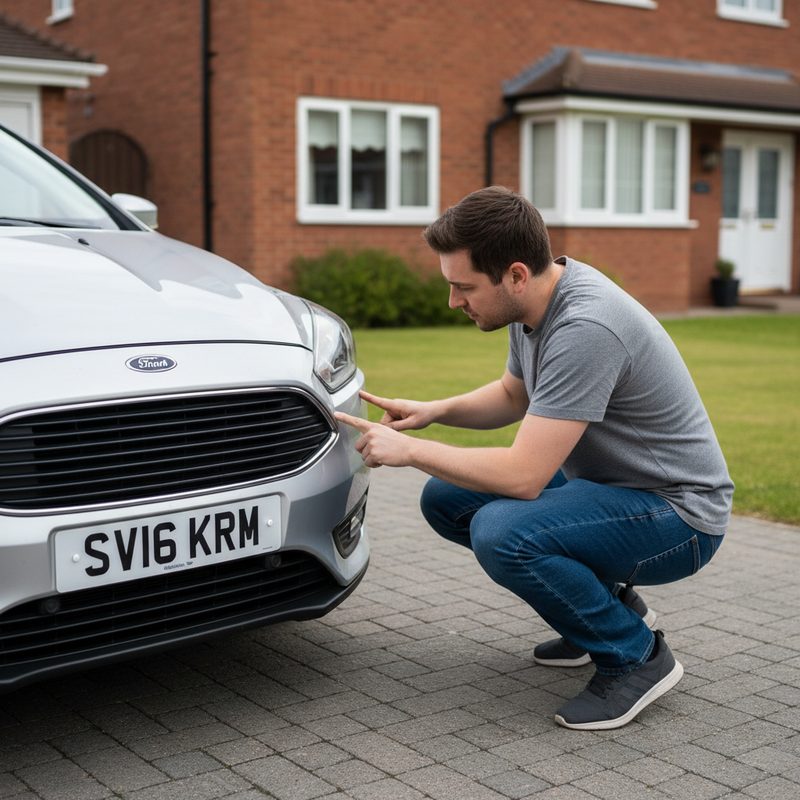
Once you’ve found a car that fits your criteria, arrange a viewing. Choose a public place for safety, and consider bringing someone along for a second opinion. During the viewing, take your time to inspect the vehicle thoroughly. Look for signs of wear and tear, rust, or any inconsistencies in the paint that might indicate previous repairs.
5. Take a Test Drive
Never skip the test drive. This is your opportunity to assess how the car handles and to listen for any unusual noises. Pay attention to the brakes, steering, and acceleration. If possible, drive on different types of roads to get a complete feel for the vehicle. A test drive can reveal issues that aren’t immediately apparent during a static inspection.
6. Negotiate the Price
If everything checks out and you’re happy with the car, it’s time to negotiate. Use your research to justify your offer. Be polite but firm, and don’t be afraid to walk away if the seller isn’t willing to meet your budget. Remember, there are plenty of other cars out there.
7. Finalise the Sale
Once you’ve agreed on a price, it’s time to finalise the sale. Ensure you receive all necessary documentation, including the V5C registration certificate, service history, and any receipts for work done on the car. It’s also a good idea to draft a simple sales agreement outlining the terms of the sale, including the price and any conditions.
8. Make the Payment Safely
When it comes to payment, avoid cash if possible. Opt for bank transfers or other secure methods to protect yourself. Ensure you receive a receipt for the transaction, and keep a copy of all documents related to the sale for your records.
Essential Documents and Preparation
Before you meet with a private seller, it’s essential to prepare the necessary documents and information. Here’s a checklist of what you’ll need:
- Your Driving Licence: Ensure you have your driving licence with you, as you may need to show it during the test drive.
- Proof of Insurance: Before driving the car home, you’ll need to insure it. Check out our guide on how to insure a used car before collecting it for tips.
- MOT and Service History: Ask the seller for the car’s MOT certificates and service history. This documentation can provide insights into how well the car has been maintained.
- V5C Registration Document: This is crucial as it proves ownership. Ensure the details match the seller’s identification.
- HPI Check Report: If you’ve opted for an HPI check, bring the report with you to discuss any findings with the seller.
Having these documents ready will not only streamline the process but also demonstrate to the seller that you are a serious buyer.
Common Mistakes to Avoid
While buying from a private seller can be a great way to save money, there are several common pitfalls to watch out for:
- Skipping the History Check: Failing to check the car’s history can lead to costly mistakes. Always perform a thorough check before meeting the seller.
- Not Inspecting the Car Properly: Rushing through the inspection can cause you to miss critical issues. Take your time and look closely at every detail.
- Ignoring the Test Drive: Some buyers skip the test drive, thinking they can assess the car visually. This is a mistake; the test drive is essential to uncover potential mechanical issues.
- Overlooking Paperwork: Ensure that all paperwork is in order before completing the sale. Missing documents can lead to complications down the line.
- Getting Emotionally Attached: It’s easy to fall in love with a car, but remember, it’s just a vehicle. If the deal doesn’t feel right, don’t hesitate to walk away.
Understanding Your Legal Rights and Protections
When buying from a private seller, it’s important to understand your legal rights. Unlike buying from a dealer, private sales do not come with the same level of consumer protection. However, you still have rights under the Consumer Rights Act. This means that the car must be as described, of satisfactory quality, and fit for purpose.
If you discover a fault shortly after the purchase, you may have grounds to claim against the seller. However, proving that the seller misrepresented the vehicle can be challenging. It’s advisable to keep all correspondence and documentation related to the sale. For more information on your rights, check out our guide on consumer rights when buying a private sale car.
Practical Tips from Dave’s Experience
As someone who has spent years in the used car market, I’ve seen it all. Here are some practical tips to help you navigate the process:
- Trust Your Instincts: If something feels off about the seller or the car, trust your gut. It’s better to walk away than to regret a hasty decision.
- Don’t Rush: Take your time when buying a car. It’s a significant investment, and rushing can lead to mistakes.
- Ask Questions: Don’t hesitate to ask the seller questions about the car’s history, repairs, and any issues. A genuine seller will be open and honest.
- Be Prepared to Walk Away: If the seller isn’t willing to negotiate or if you feel uncomfortable, don’t be afraid to walk away. There are plenty of cars available.
- Use Technology to Your Advantage: Leverage tools like the GOV.UK MOT history checker and other online resources to gather information before meeting the seller.
Final Checklist and Action Items
Before you complete your purchase, ensure you’ve ticked off the following items:
- Set your budget and stick to it.
- Research the market and compare prices.
- Perform a vehicle history check.
- Arrange a viewing and bring someone along.
- Conduct a thorough inspection and take a test drive.
- Negotiate the price based on your findings.
- Finalise the sale and ensure all paperwork is in order.
- Make the payment securely and obtain a receipt.
By following this comprehensive guide, you’ll be well-equipped to make an informed decision when buying a used car from a private seller. Remember, taking your time and being diligent can save you from potential headaches down the line. If you’re ever in doubt, don’t hesitate to reach out for help or use Dave to check any car you’re considering. Happy car hunting!
Use Dave to check any car you're considering
Get Dave's free AI-powered vehicle check before you make a decision.