Test Drive Checklist — What to Check — Dave's Complete Guide
A proper test drive is your best defence against buying a problem car. Covering the complete checklist covering every check before, during and after the drive.
Test Drive Checklist: What to Check
A test drive is not just a chance to see if you like how the car feels. It is your best opportunity to spot mechanical problems, hidden faults, and potential money pits before you commit to buying. Too many buyers treat the test drive as a formality. Dave treats it as an investigation.
Here is the definitive checklist that Dave uses every time.
Before You Start the Engine
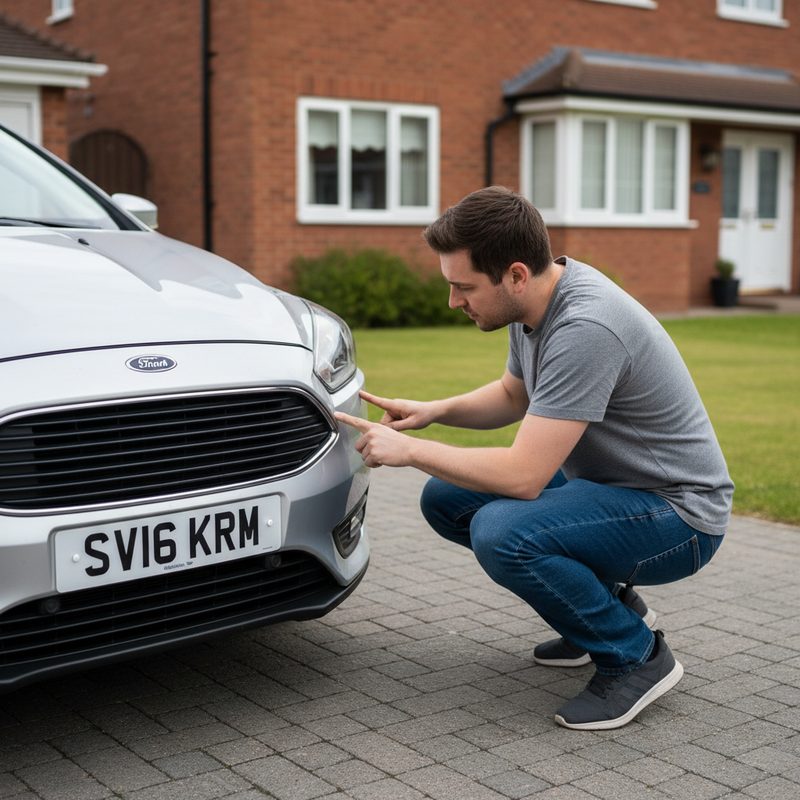
The inspection begins before you even sit in the car. Walk around the exterior methodically:
Panel gaps: Check that the gaps between body panels are consistent on both sides. Uneven gaps suggest previous accident damage and poor repair work. Run your hand along panel edges to feel for misalignment.
Paint condition: Look for colour variations between panels, overspray on rubber seals or trim, and any signs of fresh paint that does not match the rest of the car. These indicate bodywork repairs that may not have been disclosed.
Tyre condition: Check tread depth across all four tyres. Legal minimum is 1.6mm, but anything below 3mm will need replacing soon. Uneven wear patterns can indicate suspension misalignment, worn bushes, or steering problems. Our guide on tyre wear patterns explains what each pattern means.
Glass: Look for chips, cracks, and scratches on all windows and the windscreen. Windscreen replacement costs vary from one hundred to five hundred pounds depending on the car, and some advanced driver assistance systems require recalibration after replacement.
Lights: Check every light works, including headlights on both dip and main beam, indicators, brake lights, reverse lights, fog lights, and number plate lights. Non-functioning lights will cause an MOT failure.
Under the Bonnet
Open the bonnet and look for obvious problems:
Oil level and condition: Pull the dipstick and check the oil level is between the minimum and maximum marks. The oil should be amber to dark brown. Black, gritty oil suggests overdue servicing. Milky or frothy oil on the dipstick or filler cap could indicate a head gasket problem.
Coolant: Check the expansion tank level and condition. The coolant should be clean and at the correct level. Brown or oily coolant suggests contamination, possibly from a head gasket leak.
Belts and hoses: Visually inspect for cracking, fraying, or signs of wear. Replacement costs vary but a failed timing belt can destroy an engine.
Battery: Look for corrosion on terminals and check the battery age if a date sticker is present. Car batteries typically last three to five years.
Fluid leaks: Look underneath the car for any signs of oil, coolant, brake fluid, or power steering fluid leaks. Small seeps might be acceptable on older cars, but active drips indicate problems.
Starting the Engine
Ask to start the car from cold if possible. Many faults are only apparent on a cold start and disappear once the engine warms up.
Listen for: rattling or tapping noises that could indicate timing chain wear, exhaust blowing, or worn engine bearings. A healthy engine should start promptly and settle into a smooth idle within seconds.
Watch the exhaust: Blue smoke indicates burning oil. White smoke after warming up suggests coolant entering the combustion chamber. Black smoke on a petrol car indicates a fuelling problem. Some white vapour on a cold start is normal condensation.
Dashboard warning lights: Every warning light Should Illuminate briefly when you turn the ignition on and then extinguish once the engine starts. If any light stays on, or if you notice warning lights that do not illuminate at all during the initial check, the system may have been tampered with.
The Test Drive Route
Plan a route that covers multiple driving conditions. Dave recommended test drive lasts at least 20 minutes and includes:
Urban driving: Stop-start traffic tests the clutch, gearbox, and brakes under real conditions. Listen for any unusual noises during low-speed manoeuvres.
Dual carriageway or fast road: Get up to 60 to 70 mph. The car should track straight without pulling to either side. Any vibrations through the steering wheel, seat, or brake pedal at speed indicate problems.
B-roads: Test the car over bumps, potholes, and uneven surfaces. Listen for knocks and rattles from the suspension. A clunking noise over bumps typically indicates worn anti-roll bar links, drop links, or suspension bushes.
Hill: Test the clutch under load by pulling away on a hill. It should engage smoothly without slipping. A slipping clutch is expensive to replace, typically six hundred to twelve hundred pounds.
During the Drive
Steering: Should be smooth and responsive with no dead spots, excessive play, or grinding sensations. The car should return to centre naturally after turning.
Brakes: Apply the brakes firmly at moderate speed. The car should stop in a straight line without pulling to one side. Listen for grinding or squealing. Feel for pulsation through the pedal, which indicates warped discs.
Gearbox: Run through every gear. Manual boxes should slot cleanly without crunching or resistance. Automatic boxes should shift smoothly without jerking or hesitation. Test reverse gear specifically, as it often reveals problems that forward gears hide.
Clutch: The biting point should be consistent and in the middle of the pedal travel. A very high biting point suggests the clutch is worn. Any juddering during engagement is a concern.
Suspension: The ride should be controlled without excessive bouncing, wallowing, or harshness. Push down firmly on each corner of the car when stationary. It should bounce once and settle. Multiple bounces suggest worn shock absorbers.
Technology and Interior Checks
Air conditioning: Turn it on and verify it blows cold. Recharging a system costs around fifty to seventy pounds, but if the system has a leak, repairs can run to several hundred.
Heating: Check all heating zones work and the temperature adjusts correctly.
Infotainment: Test the radio, Bluetooth connection, navigation if fitted, and any smartphone integration. Check all speakers.
Electric windows: Test every window, including rear ones. Slow or noisy window operation indicates failing regulators.
Central locking: Test both keys if two are provided. Lock and unlock from multiple positions.
Seat adjustment: Test all electric seat functions if fitted. Motor replacements are expensive.
Boot: Open and close. Check the boot floor for water ingress, spare wheel or repair kit, and jack if provided.
After the Drive
Once you return from the test drive, keep the engine running and perform a few final checks:
Look under the car again for any new leaks that may have appeared during driving.
Check the engine temperature gauge has settled at normal operating temperature.
Sniff around the engine bay for burning smells.
Turn off the engine and restart it immediately. A hot restart should be instant and smooth.
Dave Final Advice
Never let the seller rush you through a test drive. If they seem impatient or try to limit what you check, that itself is a red flag. A genuine seller with nothing to hide will happily let you take your time.
Consider bringing a knowledgeable friend or family member. A second pair of eyes catches things you might miss, and they are less emotionally invested in the purchase.
And if anything feels wrong during the drive, even something you cannot quite identify, trust your instincts. There are always other cars. Walking away costs nothing. Buying a problem car costs everything.
Use Dave to check any car you're considering
Get Dave's free AI-powered vehicle check before you make a decision.