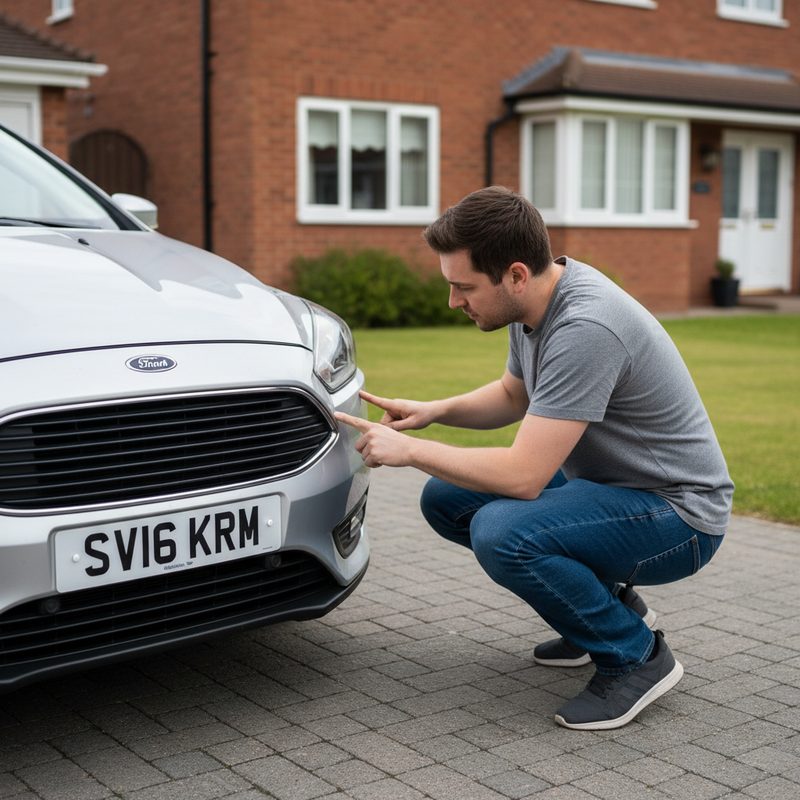
Used Car Inspection Checklist — Dave's Complete Guide
Dave's complete guide to used car inspections provides a thorough checklist and expert insights to help you make informed decisions when buying a used vehicle.
Understanding the Importance of a Used Car Inspection
When purchasing a used car, a thorough inspection is paramount. It’s not just about the aesthetics; it’s about ensuring that the vehicle is mechanically sound and free from hidden issues that could lead to costly repairs down the line. A comprehensive inspection can save you from buying a lemon and provide peace of mind. In the current market, where used cars are flying off the shelves, taking the time to inspect a vehicle properly is more crucial than ever.
Many buyers underestimate the importance of this step, often relying solely on the seller's word or the car's appearance. However, a well-conducted inspection can reveal underlying problems that might not be immediately visible. This guide will walk you through a detailed checklist to help you assess any used car effectively.
Preparing for the Inspection
Before you even set foot on the lot or meet a private seller, preparation is key. Start by gathering all necessary documents and tools. Here’s what you should have:
-
Vehicle History Report: Obtain a vehicle history report using the DVLA vehicle check. This report can provide crucial information about the car's past, including any accidents, previous owners, and whether it has been written off.
-
MOT History: Check the car's MOT history on the GOV.UK MOT history site. This will give you insights into past failures and advisories, helping you gauge the car's condition.
-
Inspection Tools: Bring along a few essential tools such as a torch, a tyre pressure gauge, and a notepad to jot down your findings. A smartphone can also be handy for taking pictures or checking online resources.
-
Checklist: Print out or have a digital copy of your inspection checklist ready. This will ensure you don’t miss any critical areas during your assessment.
-
Questions for the Seller: Prepare a list of questions to ask the seller about the car's history, maintenance records, and any issues they might have encountered.
Exterior Inspection
The first step in your inspection should always be the exterior of the vehicle. Here’s what to look for:
Bodywork and Paint
Examine the car’s bodywork for any signs of damage, rust, or mismatched paint. Look for:
- Dents and Scratches: Minor blemishes are common, but deep scratches or dents could indicate previous accidents.
- Rust: Pay particular attention to wheel arches, sills, and around the doors. Rust can be a sign of neglect and can lead to more severe structural issues.
- Paint Quality: Mismatched paint could suggest that the car has been repainted after an accident. Use a magnet to check for filler in the bodywork, which can indicate repairs.
Windows and Lights
Next, inspect the windows and lights:
- Windscreen: Look for cracks or chips that could affect visibility and lead to an MOT failure.
- Lights: Check that all lights are functioning correctly, including headlights, brake lights, and indicators. A simple bulb replacement can be cheap, but it’s a sign that the seller may not have maintained the vehicle well.
Tyres
Tyres are critical for safety and performance. Check for:
- Tread Depth: The legal minimum tread depth is 1.6mm, but deeper tread is better for grip, especially in wet conditions. Use a tread depth gauge or the 20p test to check.
- Uneven Wear: This can indicate alignment issues or suspension problems. Ensure all four tyres are in good condition and match.
- Sidewall Damage: Look for bulges or cuts that could compromise the tyre’s integrity.
Interior Inspection
Once you’ve assessed the exterior, it’s time to move inside the vehicle. Here’s what to focus on:
Seats and Upholstery
Check the condition of the seats and upholstery:
- Wear and Tear: Look for excessive wear, stains, or tears that could indicate neglect.
- Functionality: Test all seat adjustments, including reclining and lumbar support, to ensure they work properly.
Dashboard and Controls
The dashboard can tell you a lot about the car’s condition:
- Warning Lights: Start the engine and check for any warning lights on the dashboard. If any remain illuminated after starting, this could indicate underlying issues.
- Controls: Test all controls, including air conditioning, heating, and infotainment systems. Ensure everything functions as it should.
Boot Space
Don’t forget to check the boot:
- Space and Condition: Ensure the boot is clean and free from damage. A damp boot can indicate leaks, which could lead to more significant problems.
- Spare Wheel and Tools: Check for the presence of a spare wheel and necessary tools, such as a jack and wheel brace.
Mechanical Inspection
The mechanical components of a vehicle are where many potential issues can lie. Here’s how to assess them:
Engine
The engine is the heart of the vehicle. Look for:
- Leaks: Check for any oil or coolant leaks around the engine bay.
- Noise: Listen for any unusual sounds when the engine is running, such as knocking or excessive rattling.
- Fluid Levels: Check the oil, coolant, brake fluid, and transmission fluid levels. Low levels can indicate neglect.
Suspension and Steering
The suspension and steering systems are vital for safety and comfort:
- Suspension: Push down on each corner of the car; it should rebound smoothly without excessive bouncing.
- Steering: Test the steering for any play or unusual noises when turning. A tight, responsive steering system is crucial for safety.
Brakes
Brakes are non-negotiable when it comes to safety:
- Brake Pads: Inspect the thickness of the brake pads through the wheel spokes. If they look worn down, they may need replacing soon.
- Brake Fluid: Check the brake fluid level and condition. Dark fluid can indicate contamination.
Test Drive
A test drive is an essential part of the inspection process. Here’s what to focus on:
- Engine Performance: Pay attention to how the engine responds. It should start easily and accelerate smoothly without hesitation.
- Transmission: If it’s an automatic, shifts should be smooth. For manuals, the clutch should engage and disengage without grinding.
- Handling: The car should handle well, with no pulling to one side. Listen for any unusual noises while driving.
- Braking: Test the brakes at various speeds. They should feel firm and responsive without any grinding or squeaking.
Common Mistakes to Avoid
Even seasoned buyers can make mistakes during the inspection process. Here are some pitfalls to watch out for:
- Rushing the Inspection: Take your time. A thorough inspection can take an hour or more, so don’t rush through it.
- Ignoring Warning Signs: If something feels off, trust your instincts. Don’t ignore warning signs, such as unusual noises or smells.
- Not Asking Questions: Engage with the seller. Ask about the car’s history, maintenance records, and any issues they’ve faced.
- Skipping the Test Drive: Always take the car for a test drive. It’s your best chance to assess how the vehicle performs in real-world conditions.
Legal Rights and Protections
Understanding your legal rights is essential when buying a used car. In the UK, you have certain protections under the Consumer Rights Act. If you buy from a dealer, the car must be of satisfactory quality, fit for purpose, and as described. If it’s not, you may be entitled to a refund or repair.
When buying from a private seller, your rights are more limited. However, you can still rely on the information provided by the seller. If they misrepresent the car, you may have grounds for a claim. For more details, refer to my guide on Consumer Rights Buying Private Sale Car.
Practical Tips from Dave's Experience
Having inspected countless used cars over the years, here are some practical tips to enhance your inspection process:
- Bring a Friend: Having a second pair of eyes can help catch things you might miss. Plus, they can provide a different perspective on the car’s condition.
- Don’t Be Afraid to Walk Away: If something doesn’t feel right, don’t hesitate to walk away. There are plenty of cars out there, and it’s better to be patient than to rush into a bad deal.
- Consider Professional Help: If you’re unsure about your ability to assess a car, consider hiring a professional mechanic to conduct the inspection. It may cost a bit more, but it could save you from significant expenses later.
Conclusion
A thorough inspection is your best defence against buying a problematic used car. By following this checklist and taking the time to assess every aspect of the vehicle, you can make a more informed decision. Remember, the goal is to ensure that you’re not just buying a car, but investing in a reliable mode of transport.
As you navigate the used car market, don’t hesitate to use Dave to check any car you’re considering. With the right preparation and knowledge, you can avoid common pitfalls and drive away with a vehicle that meets your needs and expectations. Happy car hunting!
How to Conduct a Used Car Inspection: Step-by-Step
Here’s a quick summary of the steps to follow during your used car inspection:
- Prepare: Gather necessary documents and tools.
- Exterior Check: Inspect the bodywork, windows, lights, and tyres.
- Interior Check: Assess seats, dashboard, controls, and boot space.
- Mechanical Check: Examine the engine, suspension, steering, and brakes.
- Test Drive: Evaluate engine performance, transmission, handling, and braking.
- Legal Rights: Understand your rights as a buyer.
- Avoid Mistakes: Be aware of common pitfalls and take your time.
- Seek Help: Consider professional assistance if needed.
By following these steps, you’ll be well-equipped to make a smart purchase decision when buying a used car.
Check Car Inspection Checklist, instantly with Dave's free vehicle intelligence report.
Use Dave to check any car you're considering