How to Check a Car's MOT and Tax Before Buying — Free Tools
This guide provides a comprehensive overview of how to check a car's MOT and tax status using free tools, ensuring a wise purchase decision.
Understanding the Importance of MOT and Tax Checks
When considering the purchase of a used car, checking its MOT and tax status is crucial. The MOT (Ministry of Transport) test is a legal requirement for vehicles over three years old in the UK, ensuring that they meet safety and environmental standards. A valid MOT certificate indicates that the car has passed a series of checks, including brakes, lights, steering, and emissions. Without a valid MOT, you may face penalties, and the car could be unsafe to drive.
Tax, on the other hand, is a legal requirement for all vehicles on UK roads. If a car is not taxed, it cannot be driven legally, and you could face fines or even prosecution. Therefore, verifying both the MOT and tax status before purchasing a used car is essential to avoid unexpected costs and legal issues.
Step-by-Step Process to Check MOT and Tax Status
Step 1: Gather the Vehicle Information
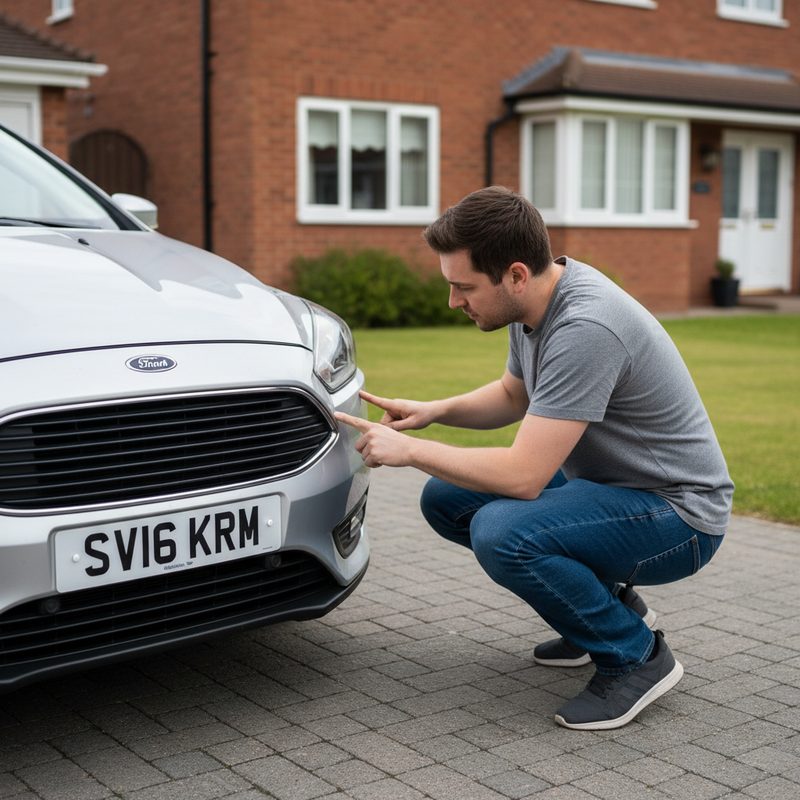
Before you can check the MOT and tax status of a vehicle, you will need some basic information about it. The most crucial piece of information is the vehicle registration number, which is usually found on the number plate or in the car's documentation. If you have access to the Vehicle Identification Number (VIN), that can also be helpful, but the registration number is typically sufficient for most checks.
Step 2: Use the DVLA’s Online Services
The DVLA (Driver and Vehicle Licensing Agency) provides a straightforward online service that allows you to check a vehicle’s MOT and tax status for free. Here’s how to do it:
- Go to the DVLA’s official website.
- Navigate to the section for checking MOT and tax status.
- Enter the vehicle registration number.
- Click on the search button.
The results will show you the current MOT status, including the expiry date, and whether the vehicle is taxed or not. This service is quick and easy, making it an essential first step in your car-buying process.
Step 3: Check the MOT History
In addition to the current MOT status, it’s wise to check the MOT history of the vehicle. This information can reveal any recurring issues or failures that may indicate underlying problems. On the DVLA website, you can access the MOT history by entering the same registration number. Look for:
- Previous failures and the reasons for them.
- The mileage recorded at each MOT test.
- Any advisories that may indicate potential future issues.
Step 4: Verify Tax Status
Once you have confirmed the MOT status, ensure that the vehicle is taxed. The DVLA site will indicate if the vehicle is currently taxed and when the tax is due for renewal. If the vehicle is not taxed, it’s a red flag, as you will need to sort this out before you can legally drive it.
What Documents and Preparation You Need
Essential Documents
Before you start your search for a used car, gather the necessary documents to ensure a smooth process. Here’s what you’ll need:
- Driving Licence: Ensure you have a valid driving licence to test drive the vehicle.
- Proof of Address: This may be required for insurance purposes.
- Insurance: You’ll need to arrange insurance before you can drive the car away.
- Payment Method: Have your payment method ready, whether it’s cash, bank transfer, or financing.
Preparing for the Check
- Vehicle Registration Number: As mentioned earlier, this is crucial for checking MOT and tax status.
- VIN: While not always necessary, having the VIN can help in more detailed checks.
- List of Questions: Prepare a list of questions to ask the seller, especially regarding the car’s history, previous owners, and any repairs.
Common Mistakes to Avoid
Skipping the Checks
One of the most significant mistakes buyers make is skipping the MOT and tax checks. It may seem like a minor step, but neglecting this can lead to serious consequences, including fines and unexpected repair costs.
Ignoring the MOT History
Failing to check the MOT history can be detrimental. A car with a history of repeated failures or advisories may indicate ongoing issues that could cost you dearly in the long run. Always review the MOT history before making a decision.
Not Asking for Documentation
When buying a used car, always ask the seller for documentation. This includes the V5C registration certificate, service history, and any receipts for work done. If the seller is unwilling to provide these documents, consider it a red flag.
Rushing the Purchase
It’s easy to get excited about a potential purchase, but rushing can lead to poor decisions. Take your time to do thorough checks and ensure the vehicle meets your needs and expectations.
Legal Rights and Protections
Consumer Rights Act 2015
In the UK, the Consumer Rights Act provides protections for buyers of used cars. Under this act, any vehicle sold must be of satisfactory quality, fit for purpose, and as described. If the car turns out to be faulty or not as described, you have the right to seek a repair, replacement, or refund.
Private Sales vs. Dealerships
When buying from a private seller, your rights are limited compared to purchasing from a dealership. Private sellers are not legally required to offer any warranty, so it’s crucial to do your due diligence. In contrast, dealerships must adhere to stricter regulations and often provide some form of warranty.
Reporting Issues
If you encounter problems after your purchase, you should first contact the seller to resolve the issue. If they are uncooperative, you can escalate the matter to the relevant authorities or seek legal advice. Keeping all documentation and correspondence is essential for supporting your case.
Practical Tips from Dave's Experience
Always Test Drive the Car
Before making a purchase, always test drive the vehicle. This will give you a feel for how it handles and whether there are any immediate issues, such as strange noises or warning lights. Pay attention to how the brakes respond, the steering, and the overall comfort of the ride.
Get a Professional Inspection
If you’re serious about a vehicle, consider getting a professional inspection. A qualified mechanic can identify potential problems that you may not notice during a test drive. This investment can save you money in the long run by preventing costly repairs.
Don’t Be Afraid to Walk Away
If something doesn’t feel right about the deal, don’t hesitate to walk away. There are plenty of used cars available, and it’s essential to find one that meets your needs without compromising on safety or legality.
Use Free Tools Wisely
Make the most of free tools available online. In addition to the DVLA checks, consider using other resources like HPI Check or Carfax for more detailed vehicle history reports. These tools can provide insights into whether the car has been in accidents, has outstanding finance, or has been stolen.
Checklist for Buying a Used Car
- Research the Vehicle: Understand the make and model, common issues, and market value.
- Gather Documentation: Ensure you have your driving licence, proof of address, and insurance.
- Check MOT and Tax Status: Use the DVLA’s online service to verify both.
- Review MOT History: Look for past failures or advisories.
- Inspect the Car: Check for signs of damage, rust, or wear and tear.
- Test Drive: Take the car for a spin to assess its performance.
- Ask for Documentation: Request the V5C, service history, and receipts for repairs.
- Consider a Professional Inspection: If in doubt, get a mechanic to check it out.
- Negotiate the Price: Use your research to negotiate a fair price.
- Complete the Purchase: Ensure all paperwork is in order before finalising the sale.
Conclusion
Buying a used car can be a daunting process, but with the right tools and knowledge, you can make an informed decision. Always check the MOT and tax status using the DVLA’s online services, review the vehicle’s history, and ensure you have all necessary documentation. Avoid common mistakes, understand your legal rights, and don’t hesitate to seek professional help if needed. By following these steps and using the free tools available, you’ll be well on your way to finding a reliable used car that meets your needs. Remember, taking your time and being thorough can save you money and hassle in the long run. Happy car hunting!
Use Dave's free vehicle check tool before buying any used car
Get Dave's free AI-powered vehicle check before you make a decision.