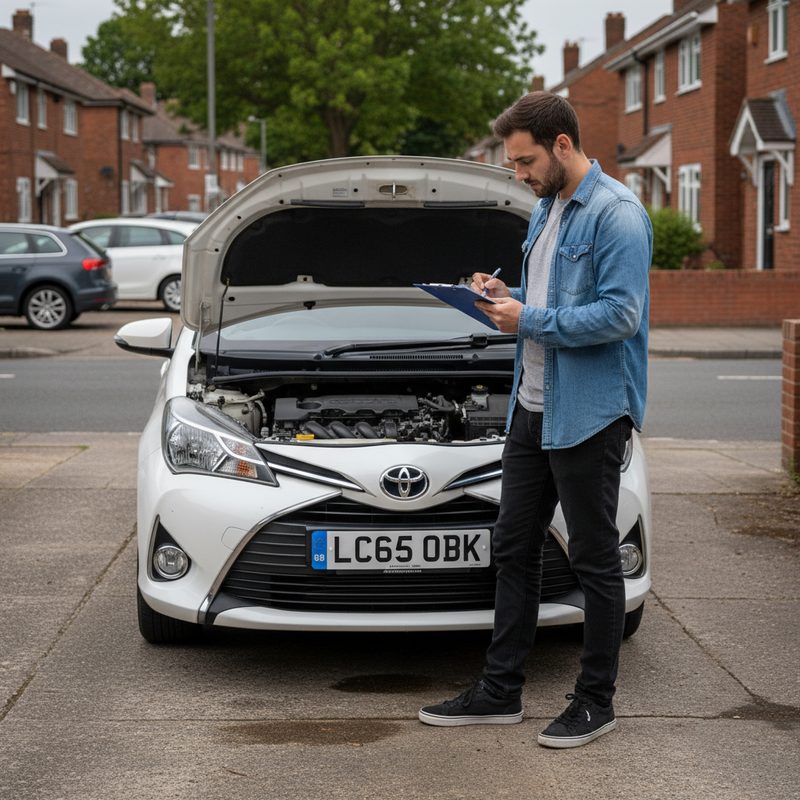
How to Pay for a Used Car Safely — Dave's Complete Guide
Navigating the payment process for a used car can be daunting. In this guide, Dave shares expert tips to ensure you pay safely and securely.
Understanding the Payment Process for Used Cars
Buying a used car is an exciting venture, but it can also be a bit nerve-wracking, especially when it comes to the payment process. Understanding how to pay for a used car safely is crucial to ensure that you don’t fall victim to scams or end up with a vehicle that has hidden issues. In this guide, I’ll walk you through the ins and outs of paying for a used car, from choosing the right payment method to what documents you’ll need.
Choosing the Right Payment Method
When it comes to paying for a used car, you’ve got several options, each with its pros and cons. Here’s a breakdown of the most common payment methods:
Cash Payment
Paying in cash is the simplest method. It’s straightforward, and you won’t have to deal with interest rates or monthly payments. However, carrying large amounts of cash can be risky. If you decide to go this route, make sure to meet in a safe location and consider using a bank to withdraw the cash right before the transaction. Always ask for a receipt and ensure that both you and the seller sign it.
Bank Transfer
A bank transfer is a secure way to pay for a used car. It allows you to transfer funds directly from your bank account to the seller’s account, reducing the risk of carrying cash. Make sure to confirm the seller’s bank details and double-check before sending the money. It’s wise to do this in person, so you can confirm the transfer has gone through before you drive away with the car.
Debit or Credit Card
Some dealers accept debit or credit card payments, which can offer additional protection. If you’re using a credit card, check if your card provider offers any buyer protection, which can be helpful if something goes wrong after the purchase. Just be aware that some dealers may charge a fee for card payments, so clarify this beforehand.
Finance Options
If you’re considering financing your used car, it’s essential to understand the terms and conditions. There are various finance options available, including personal loans and hire purchase agreements. Before committing, check out my guide on Buying a Car on Finance — What Dave Would Check First to ensure you’re making a sound decision.
Preparing for the Purchase
Before you hand over any money, there are several preparations you should make to ensure a smooth transaction. Here’s what you need to do:
Gather Necessary Documents
You’ll need specific documents to complete the purchase legally. This includes:
- V5C Registration Document: This proves the seller is the registered keeper of the vehicle.
- MOT Certificate: Check the car’s MOT history on the GOV.UK MOT history site to ensure it’s valid and the car has passed recent tests.
- Service History: A full service history can indicate how well the car has been maintained.
- Insurance: Before you drive away, make sure you have insurance in place. Check out my guide on How to Insure a Used Car Before Collecting It for details on how to get covered quickly.
Conduct a Vehicle Check
Before finalising the payment, conduct a thorough vehicle check. You can use the DVLA vehicle check to verify the car’s details, including its registration, tax status, and any outstanding finance. This step is crucial to avoid buying a stolen vehicle or one with hidden issues.
Common Mistakes to Avoid
Even seasoned car buyers can make mistakes, so it’s essential to be aware of the common pitfalls. Here are some to watch out for:
Skipping the Test Drive
Never skip the test drive! This is your opportunity to get a feel for the car and check for any potential issues. Listen for unusual noises, test the brakes, and ensure all the electronics work. A test drive can reveal problems that may not be apparent when the car is stationary.
Not Negotiating the Price
Many buyers feel uncomfortable negotiating, but it’s a crucial part of the process. Sellers often expect some haggling, so don’t be afraid to make a lower offer. Check out my guide on How to Negotiate on a Used Car and Save Money for tips on how to approach this.
Ignoring the Paperwork
Always double-check the paperwork before making any payment. Ensure that the V5C matches the seller’s details and that there are no discrepancies. If the seller can’t provide the necessary documents, it’s a red flag.
Legal Rights and Protections
Understanding your legal rights as a buyer is crucial when purchasing a used car. In the UK, you have certain protections under the Consumer Rights Act. Here’s what you need to know:
Right to a Refund
If the car is not as described or has significant faults that were not disclosed, you have the right to a refund. This applies whether you bought from a dealer or a private seller. However, the process may differ, so it’s essential to know your rights in each situation.
Warranty Considerations
Some dealers offer warranties on used cars, which can provide peace of mind. If you’re buying from a dealer, ask about any warranties available and what they cover. Private sales typically don’t come with warranties, so be extra cautious.
The Importance of Receipts
Always ask for a receipt when you make a payment. This document serves as proof of purchase and can be vital if any disputes arise later. Ensure it includes the vehicle details, the amount paid, and both parties’ signatures.
Practical Tips from Dave’s Experience
Having been around the block a few times in the used car market, I’ve picked up a few tips that can save you time and money:
Don’t Rush the Process
Take your time when buying a used car. Rushing can lead to mistakes, such as overlooking important details or making impulsive decisions. If a deal seems too good to be true, it probably is.
Use Trusted Sources
When searching for a used car, stick to reputable platforms like AutoTrader. They offer a wide selection and often include seller ratings, which can help you gauge reliability.
Get a Professional Inspection
If you’re unsure about the car’s condition, consider getting a professional inspection. A qualified mechanic can identify issues that you might miss, giving you peace of mind before you commit to the purchase.
Checklist for Buying a Used Car
To make your life easier, here’s a handy checklist to follow when buying a used car:
- Set Your Budget: Determine how much you can afford, including insurance and running costs.
- Research the Car: Look into the make and model, including common issues and running costs. Check out my guide on How Many Miles Is Too Many for insights.
- Arrange Financing: If you’re not paying cash, explore your financing options.
- Check the Vehicle History: Use the DVLA and MOT history checks to verify the car’s background.
- Inspect the Car: Look for signs of wear and tear, and take it for a test drive.
- Negotiate the Price: Don’t be afraid to haggle; it’s part of the process.
- Complete the Paperwork: Ensure all documents are in order before making the payment.
- Transfer Ownership: Follow the steps in my guide on How to Transfer Car Ownership V5C to ensure everything is legal.
Conclusion
Paying for a used car doesn’t have to be a daunting task. By following the steps outlined in this guide and being aware of your rights and responsibilities, you can make the process smoother and safer. Remember, it’s all about doing your homework and being prepared. If you’re ever in doubt, don’t hesitate to reach out to me or check the resources available on Vehicle Intelligence. Happy car hunting!
Use Dave to check any car you're considering
Get Dave's free AI-powered vehicle check before you make a decision.