What To Do After Buying A Used Car — Dave's Complete Guide
After buying a used car, there are crucial steps to ensure your investment is protected and ready for the road. This guide covers everything you need to know.
Introduction
Buying a used car is just the beginning of your journey as a vehicle owner. Once you've signed on the dotted line and driven off the lot, there are several important steps to take to ensure that your new purchase is safe, legal, and ready for the road. This guide will walk you through everything you need to do after buying a used car, from paperwork to maintenance, and even what to do if things go wrong.
Transfer Ownership and Check Documentation
One of the first things you should do after purchasing a used car is to ensure that the ownership is transferred to you. In the UK, this is done through the V5C registration certificate, commonly known as the logbook. The seller should provide you with the V5C, which you’ll need to fill out and send to the DVLA. This process is crucial because it officially registers you as the new owner of the vehicle.
What You Need to Do
- Complete the V5C: Fill in your details in section 6 of the V5C. The seller should also complete section 8.
- Send it to the DVLA: You can do this by post or online. If you do it online, you’ll receive confirmation immediately.
- Keep a copy: Always retain a copy of the V5C for your records. This will be useful for future reference, especially if you decide to sell the car later.
Checking Documentation
While you’re at it, make sure to check the car’s documentation thoroughly. This includes the service history, MOT certificates, and any receipts for work done. You can check the car's MOT history on the GOV.UK MOT history website to ensure it has been maintained properly and to see if there are any outstanding issues.
Insure Your Vehicle
Before you take your car out on the road, you’ll need to arrange insurance. Driving without insurance is illegal in the UK and can lead to hefty fines, points on your licence, or even having your vehicle seized.
Choosing the Right Insurance
When selecting an insurance policy, consider the following:
- Type of Cover: You can choose from third-party, third-party fire and theft, or comprehensive cover. Comprehensive is usually the best option as it covers you for a wider range of incidents.
- Compare Quotes: Use comparison websites to find the best deals. Websites like AutoTrader can help you compare various insurance options.
- Consider Your Needs: Think about your driving habits and the value of your car. If it’s an older model, you might not need comprehensive coverage.
Tax Your Vehicle
Once you’ve got insurance sorted, the next step is to tax your vehicle. In the UK, all cars must be taxed before they can be driven on public roads. You can do this online through the GOV.UK road tax website.
How to Tax Your Vehicle
- Have Your V5C Ready: You’ll need the reference number from your V5C to complete the process.
- Choose Your Payment Method: You can pay for your tax monthly or annually, depending on what suits you best.
- Display Your Tax Disc: Although paper tax discs are no longer required, ensure you have proof of tax in case you’re stopped by the police.
Conduct a Thorough Inspection
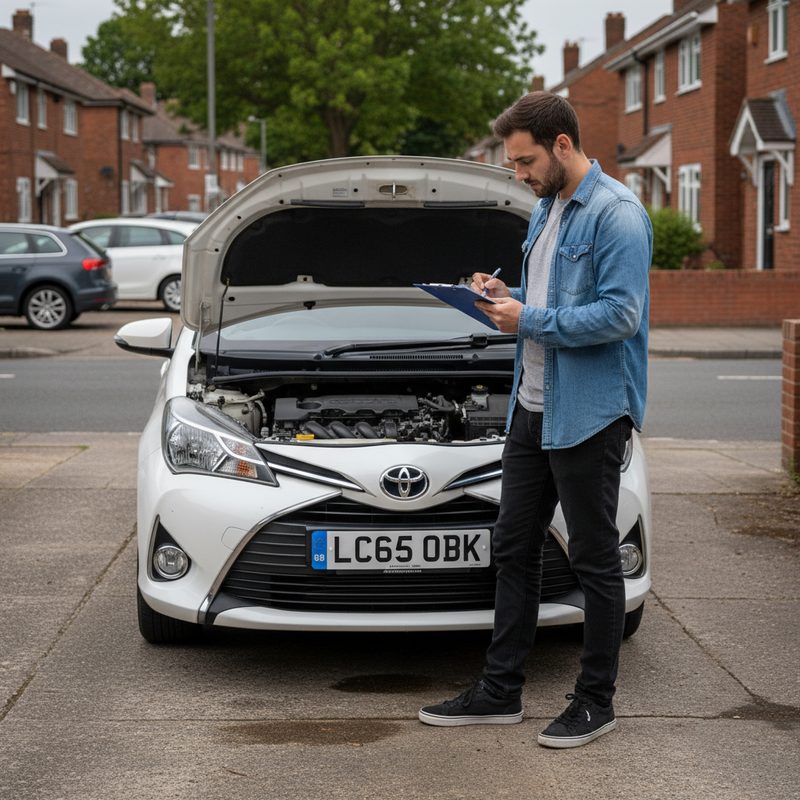
Even if you’ve done your due diligence before buying, it’s wise to conduct a thorough inspection of your vehicle after purchase. Look for any signs of damage, wear and tear, or issues that might have been overlooked.
Key Areas to Inspect
- Tyres: Check for tread depth and any signs of uneven wear. The legal minimum tread depth is 1.6mm, but more is better for safety.
- Brakes: Listen for any unusual noises when braking and check the brake fluid level.
- Lights and Indicators: Ensure all lights are functioning correctly, including headlights, brake lights, and indicators.
- Fluid Levels: Check oil, coolant, and other fluid levels to ensure everything is topped up.
If you notice anything concerning, it’s worth getting a professional mechanic to take a look. You can also refer to my guide on how to check for accident damage for more tips on what to look for.
Set Up a Maintenance Schedule
Regular maintenance is key to keeping your used car running smoothly. Establish a maintenance schedule based on the manufacturer’s recommendations and your driving habits.
What to Include in Your Schedule
- Oil Changes: Typically every 5,000 to 10,000 miles, depending on the type of oil used.
- Tyre Rotation: Every 6,000 to 8,000 miles to ensure even wear.
- Brake Inspections: At least once a year or if you notice any issues.
- MOT: Ensure your car is MOT’d annually if it’s over three years old.
Keeping up with maintenance not only prolongs the life of your vehicle but also helps maintain its resale value. If you’re unsure about what maintenance your car needs, consult the service manual or speak to a trusted mechanic.
If you are weighing up alternatives, our guide to What Questions To Ask When Buying A Used Car covers similar ground from a different angle.
If you are weighing up alternatives, our guide to What Documents Do You Need to Buy a Used Car? covers similar ground from a different angle.
For more on this topic, take a look at our Buying A Used Car On Finance guide.
Understand Your Consumer Rights
As a buyer, it’s essential to understand your rights regarding used cars. The Consumer Rights Act provides protection when buying from a dealer, ensuring that the vehicle is of satisfactory quality and fit for purpose.
Key Rights to Remember
- Right to a Refund: If the car is not as described or has significant faults, you may be entitled to a refund.
- Right to Repair: If a fault arises shortly after purchase, you can request a repair or replacement.
- Right to Reject: If the vehicle is not satisfactory, you have the right to reject it within 30 days and receive a full refund.
For more detailed information on your rights, check out my guide on consumer rights when buying a used car from a dealer.
You might also find our What Is A Fair Price For A Used Car guide useful alongside this one.
For more on this topic, take a look at our How to Arrange Collection for a Used Car guide.
We have covered related ground in our How to Insure a Used Car Before Collecting It guide, which is worth reading if this subject interests you.
Keep Records of Everything
It’s crucial to keep records of all documentation related to your vehicle. This includes the V5C, insurance documents, MOT certificates, and any service history. Having a comprehensive record can be invaluable if you need to make a claim or sell the car in the future.
Tips for Keeping Records
- Digital Copies: Consider scanning documents and storing them digitally for easy access.
- Service History: Keep a log of all services and repairs, including receipts.
- Mileage Records: Track your mileage for servicing and tax purposes.
What to Do If Things Go Wrong
Despite your best efforts, issues can arise after purchasing a used car. Knowing How To handle these situations can save you time and money.
Common Problems and Solutions
- Mechanical Issues: If you experience mechanical problems shortly after purchase, contact the seller immediately. If you bought from a dealer, refer to your consumer rights.
- Accident Damage: If you discover that the car has undisclosed accident damage, gather evidence and contact the seller. You may be entitled to a refund or repair.
- Insurance Claims: If you need to make a claim, ensure you have all necessary documentation ready, including photos of the damage and any police reports if applicable.
Practical Tips from Dave's Experience
Having been in the used car market for years, I’ve seen it all. Here are some practical tips to help you navigate the post-purchase phase:
- Don’t Skip the Inspection: Always do a thorough inspection after buying. It’s better to catch issues early.
- Stay Organised: Keep all documents in one place. It makes life easier when you need to refer back to them.
- Be Proactive: If you notice something off, don’t wait. Address it immediately to avoid bigger problems down the line.
Conclusion
Buying a used car is an exciting venture, but it’s essential to follow through with the necessary steps to protect your investment. From transferring ownership and insuring your vehicle to conducting thorough inspections and understanding your rights, each step is crucial. By staying organised and proactive, you can enjoy your new car without unnecessary stress. Don’t forget to use Dave for any checks or advice you need along the way; I’m here to help you make smarter decisions.
Checklist for After Buying a Used Car
- Transfer ownership via the V5C.
- Arrange insurance before driving.
- Tax the vehicle online.
- Conduct a thorough inspection.
- Set up a maintenance schedule.
- Understand your consumer rights.
- Keep records of all documentation.
- Address any issues promptly.
By following these steps, you’ll ensure that your used car experience is as smooth and enjoyable as possible. Happy driving!
The FCA has a useful guide to car finance that explains your rights and what to watch for.
You might also find our What Does A Failed Mot Mean When Buying guide useful alongside this one.
We have covered related ground in our How to Do a Test Drive Properly guide, which is worth reading if this subject interests you.
You can check the exact safety score for any model on the Euro NCAP website.
If things go wrong after purchase, Citizens Advice can help you understand your legal rights.
You can look up the exact insurance group for any car on Thatcham's website before getting quotes.
Use Dave to check any car you're considering
Get Dave's free AI-powered vehicle check before you make a decision.