How to Arrange Collection for a Used Car: Dave's Complete Guide
Discover the step-by-step process of arranging collection for a used car, including practical tips and legal rights to ensure a smooth experience.
Understanding the Collection Process
Arranging the collection of a used car can feel daunting, especially if you’re new to the process. However, breaking it down into manageable steps can make it much simpler. The collection process typically involves several key stages: confirming the purchase, preparing for collection, and actually picking up the vehicle. Each stage requires careful attention to detail to ensure everything goes smoothly.
When you’ve found the right car and agreed on a price with the seller, the first step is to confirm the purchase. This usually involves a deposit, which secures the vehicle for you until you can collect it. Be sure to get a receipt for any deposit paid, as this serves as proof of your agreement. Once the deposit is secured, you should discuss a convenient time for collection with the seller.
Preparation is crucial before you head out to collect your new vehicle. You’ll want to ensure you have all necessary documents and funds ready. This includes your driving licence, proof of insurance, and the remaining payment for the car. If you’re purchasing from a dealership, they may have specific requirements, so it’s wise to check in advance.
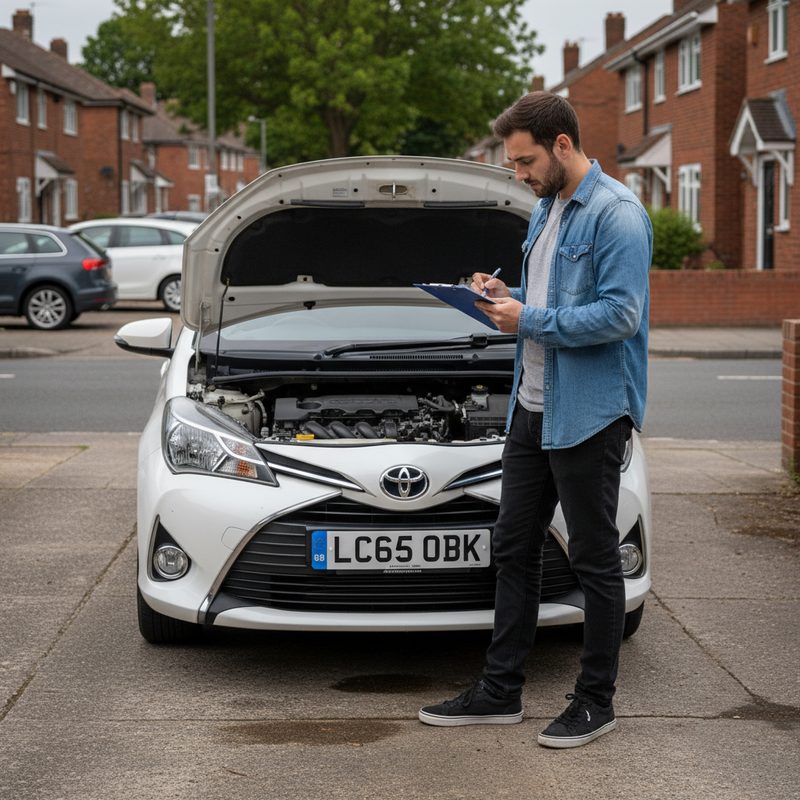
On the day of collection, it’s essential to carry out a thorough inspection of the vehicle before driving away. This includes checking the exterior and interior for any damage, ensuring all features work as expected, and verifying the mileage. If anything seems amiss, don’t hesitate to address it with the seller before finalising the transaction.
Preparing for Collection
Preparation is key to a successful car collection. Before you set off, ensure you have all the necessary documents and items ready. Here’s a detailed list of what you should gather:
- Driving Licence: You’ll need to present your driving licence to prove you’re legally allowed to drive the vehicle.
- Proof of Insurance: Before you can drive the car away, you must have insurance in place. Contact your insurance provider to arrange coverage for the new vehicle ahead of time.
- Payment Method: Decide how you will pay for the car. Cash is often not practical for larger sums, so consider bank transfers or a banker's draft. Ensure you have the correct amount ready to avoid any last-minute issues.
- Vehicle Documents: If you’re buying from a private seller, request the V5C registration document (logbook) to ensure the seller is the registered keeper. This document is crucial for transferring ownership.
- MOT Certificate: If the car is over three years old, it should have a valid MOT certificate. Check the expiry date to ensure it’s current.
- Service History: A well-documented service history can provide insight into how well the car has been maintained. Ask for this documentation to review before collection.
- Vehicle Inspection Checklist: Create a checklist of items to inspect on the car during collection. This can include checking the tyres, brakes, lights, and any other features.
Once you have all your documents and items ready, confirm the collection time with the seller. It’s best to choose a time when you won’t be rushed, allowing you to focus on the collection process without distractions.
Common Mistakes to Avoid
While collecting a used car can be straightforward, there are several common pitfalls that buyers often encounter. Avoiding these mistakes can save you time, money, and stress.
-
Skipping the Inspection: One of the biggest mistakes is neglecting to inspect the vehicle thoroughly before driving away. Always take the time to check for any signs of damage, unusual noises, or warning lights on the dashboard. If you notice anything concerning, address it with the seller before completing the purchase.
-
Not Verifying Documents: Ensure all documents are in order before finalising the sale. This includes checking the V5C document, MOT certificate, and service history. If the seller cannot provide these documents, it may be a red flag.
-
Rushing the Payment: Don’t feel pressured to complete the payment quickly. Take your time to ensure everything is in order, and only proceed when you feel comfortable. If you’re using a bank transfer, ensure you have the correct account details to avoid any issues.
-
Neglecting Insurance: Driving away without insurance is illegal and can lead to severe consequences. Always ensure you have insurance in place before collecting the car. Contact your provider ahead of time to arrange coverage.
-
Ignoring the Test Drive: If possible, take the car for a test drive before collection. This allows you to assess how it handles and whether there are any underlying issues. If the seller refuses a test drive, consider it a warning sign.
By being aware of these common mistakes, you can approach the collection process with confidence and ensure a smoother experience.
Legal Rights and Protections
As a used car buyer in the UK, it’s essential to understand your legal rights and protections. The Consumer Rights Act 2015 provides certain protections for buyers, ensuring that the vehicle you purchase is of satisfactory quality and fit for purpose.
- Right to a Refund: If the car is not as described, not of satisfactory quality, or not fit for purpose, you have the right to request a refund. This applies to both private sales and dealer purchases, although the process may differ slightly.
- Right to Repair or Replacement: If you discover a fault within the first 30 days of purchase, you can request a repair or replacement instead of a refund. This is particularly relevant if the issue is minor and can be fixed easily.
- Right to a Full Service History: If you purchase a car from a dealer, they are legally required to provide you with a full service history if it is available. This helps you understand the car’s maintenance history and any potential issues.
- Right to a Valid MOT: If the car is over three years old, it must have a valid MOT certificate. If you discover that the MOT is expired or fraudulent, you have the right to seek a refund or a replacement vehicle.
It’s crucial to keep records of all communications with the seller, including any agreements made regarding the sale. This documentation can be invaluable if you need to pursue a claim or dispute later on.
Practical Tips from Dave's Experience
Having been in the used car industry for years, I’ve gathered a wealth of practical tips to help you navigate the collection process successfully. Here are some insights that can make a difference:
- Always Meet in a Safe Location: When arranging to collect the car, choose a public place that feels safe. This not only protects you but also provides a neutral ground for both parties.
- Bring a Friend: If possible, take someone with you when collecting the car. They can provide a second opinion and help you stay focused during the inspection.
- Check the Vehicle Identification Number (VIN): Before finalising the sale, verify the VIN on the car matches the one on the V5C document. This ensures you’re buying the correct vehicle.
- Be Prepared to Walk Away: If something doesn’t feel right during the collection process, don’t hesitate to walk away. There are plenty of cars available, and it’s better to wait for the right one than rush into a purchase you might regret.
- Use Technology to Your Advantage: Before collecting the car, consider using online tools to check its history. Services like Vehicle Intelligence can help you uncover any hidden issues, such as previous accidents or outstanding finance.
- Take Your Time: Don’t rush through the collection process. Take your time to inspect the vehicle, review documents, and ensure everything is in order. A little patience can save you from potential headaches down the line.
By following these practical tips, you can approach the collection process with confidence and ensure a positive experience.
Actionable Checklist for Car Collection
To help you stay organised, here’s a handy checklist to follow when preparing for your car collection:
- Confirm the purchase and secure a deposit.
- Gather all necessary documents (driving licence, insurance, payment method).
- Verify the seller’s identity and ownership of the vehicle.
- Schedule a convenient time for collection.
- Prepare a vehicle inspection checklist.
- Conduct a thorough inspection of the car on collection day.
- Ensure all documents are in order before finalising payment.
- Drive away with your new car, ensuring you have insurance in place.
Conclusion
Arranging the collection of a used car doesn’t have to be overwhelming. By following a clear step-by-step process, preparing adequately, and being aware of your rights, you can ensure a smooth and successful experience. Remember to take your time, ask questions, and don’t hesitate to walk away if something doesn’t feel right.
If you’re ever in doubt about a vehicle, use Dave to check any car you’re considering. With the right tools and knowledge, you can make informed decisions and drive away with confidence in your new purchase. Happy car hunting!