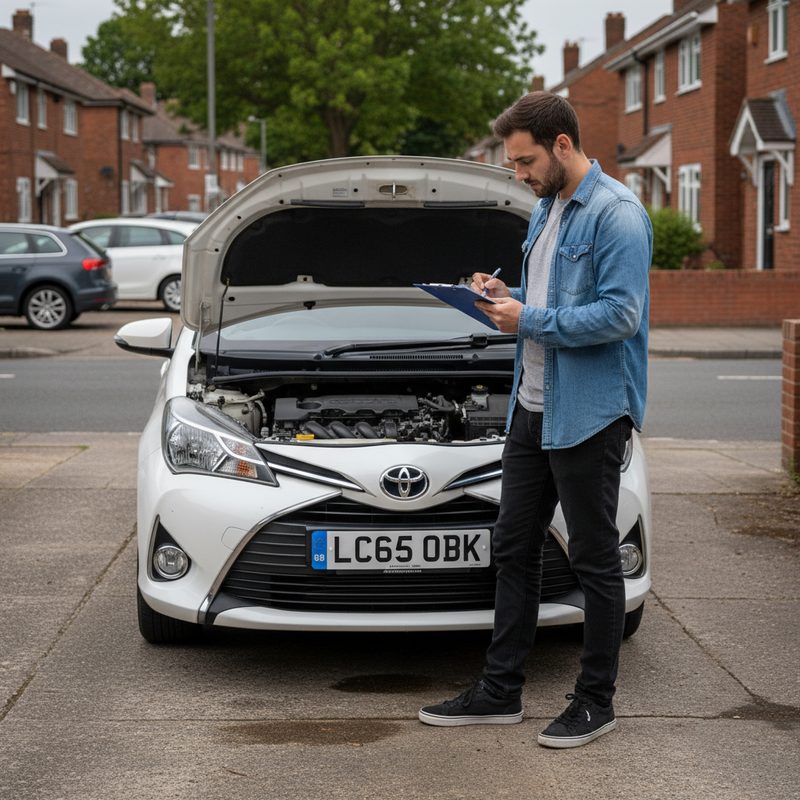
Best Time Of Year To Buy A Used Car Uk — Dave's Complete Guide
Timing your used car purchase can save you money. Explore the best times of year to buy a used car in the UK with insights from Dave.
Understanding the Used Car Market
Buying a used car can feel like navigating a minefield, especially if you're not familiar with the market dynamics. The UK used car market is influenced by various factors, including seasonal trends, economic conditions, and even the time of year. Understanding these elements can help you make a more informed decision and potentially save you a tidy sum.
In the UK, used car prices fluctuate throughout the year. Typically, prices are higher in spring and summer when demand peaks, as many people are looking to buy cars for the warmer months. Conversely, prices tend to drop in autumn and winter, making these seasons potentially the best times to buy. However, it’s not just about the season; specific months can also offer better deals.
Seasonal Trends in Used Car Buying
Spring and Summer: Peak Buying Season
Spring and summer are often seen as the prime time for buying a used car. The longer days and better weather encourage more people to shop for vehicles. Families often look to upgrade or change cars as they prepare for summer holidays, leading to increased demand. This heightened demand can drive prices up, so if you're planning to buy during this time, be prepared to negotiate hard.
Additionally, many dealerships will have new models arriving in the spring, which means they may be keen to shift older stock. This can create opportunities for savvy buyers who are willing to shop around. However, be cautious; the competition can be fierce, and you might find yourself paying a premium for popular models.
Autumn: The Sweet Spot
Autumn, particularly September and October, can be a fantastic time to buy a used car. Many people are returning from summer holidays and are less inclined to shop for cars. This seasonal lull often results in lower prices, as dealers look to clear out stock before the winter months. Moreover, September is when many new car registrations occur, which can lead to a surge in trade-ins. This influx of vehicles can mean more options and better deals for you.
Winter: The Bargain Hunter's Paradise
Winter can be a mixed bag. While the cold weather and holiday season can deter many buyers, this is also when you can find some of the best deals. Dealers may be eager to offload stock to make room for new inventory, and private sellers might be more willing to negotiate as they look to avoid the hassle of selling in the colder months. Just be prepared for the possibility of inclement weather affecting your car shopping experience.
Key Months to Consider
January: The Post-Christmas Slump
January is often a slow month for car sales. After the festive season, many people are tightening their belts, which can lead to lower prices. If you're willing to brave the cold, you might find some excellent deals during this time. Just remember that stock may be limited, as many dealers will have sold off their inventory before the holidays.
March: The New Registration Plate
March is a month of change in the UK car market, as new registration plates are released. This can lead to a surge in trade-ins as people upgrade to the latest models. While this can mean more options, it can also drive up prices temporarily as demand spikes. If you're looking for a used car, it might be worth waiting until the initial rush subsides.
August: The Summer Slump
August often sees a dip in car sales as many people are on holiday. This can create a buyer's market, with dealers eager to shift stock. If you're looking for a bargain, this could be a great time to shop around. Just be aware that some dealerships may have reduced hours or limited stock due to the holiday season.
Preparing for Your Purchase
Researching Prices
Before you even think about stepping foot in a dealership, it’s essential to do your homework. Websites like AutoTrader can provide valuable insights into current market prices for the make and model you're interested in. Take the time to compare prices across different regions; you might find that a car in a different part of the country is significantly cheaper.
Checking Vehicle History
Once you've found a car that piques your interest, it’s crucial to check its history. Services like the GOV.UK DVLA check can provide you with important information about the vehicle, including its previous owners, MOT history, and any outstanding finance. This step can save you from potential headaches down the line.
Understanding Your Budget
Setting a realistic budget is vital. Consider not just the purchase price but also the ongoing costs such as insurance, road tax, and maintenance. Tools like the GOV.UK road tax checker can help you understand what you’ll need to pay annually. Don’t forget to factor in potential repairs or servicing that might be required soon after purchase.
Common Mistakes to Avoid
Rushing the Process
One of the most significant mistakes buyers make is rushing into a purchase. It’s easy to get swept up in the excitement of finding a car you like, but taking your time can save you money and stress. Always take a step back and ensure you’re making a well-informed decision.
Ignoring the Fine Print
When buying a used car, it’s essential to read the terms and conditions carefully. Some dealerships may have hidden fees or conditions that could affect your purchase. Make sure you understand the warranty, return policy, and any additional costs that may arise.
Not Getting a Pre-Purchase Inspection
Never skip the pre-purchase inspection. Even if the car looks great on the surface, there could be underlying issues that you’re unaware of. A qualified mechanic can help identify potential problems, saving you from costly repairs later on. You can also check the car’s MOT history using the GOV.UK MOT history tool to see if it has a history of issues.
Legal Rights and Protections
Understanding Consumer Rights
As a buyer, you have certain legal rights when purchasing a used car. Under the Consumer Rights Act, the vehicle must be of satisfactory quality and fit for purpose. If the car turns out to be faulty shortly after purchase, you may have the right to a refund or repair, depending on the circumstances.
The Importance of Documentation
Always ensure that you receive the correct documentation when buying a used car. This includes the V5C registration document, service history, and any warranties. Having these documents in order can protect you in case of disputes later on.
Practical Tips from Dave's Experience
Timing Your Purchase
From my experience, timing can make a world of difference. If you can, aim to buy during the quieter months, like January or August. You’re more likely to find a dealer willing to negotiate on price when they’re not inundated with customers.
Negotiation Tactics
Don’t be afraid to haggle. Many buyers feel uncomfortable negotiating, but it’s a standard part of the car-buying process. Do your research beforehand to know what similar cars are selling for, and use that information to your advantage. Remember, it’s not just about the price; you can also negotiate on extras like servicing or warranties.
Test Drive and Inspection
Always take the car for a test drive. Pay attention to how it feels on the road, and don’t hesitate to ask questions about its history. If possible, bring along a knowledgeable friend or family member who can help spot any potential issues.
Checklist for Buying a Used Car
- Set Your Budget: Determine how much you can afford, including ongoing costs.
- Research Prices: Use online tools to compare prices for your desired make and model.
- Check Vehicle History: Look into the car's past using DVLA and MOT history tools.
- Inspect the Car: Always conduct a thorough inspection and take it for a test drive.
- Understand Your Rights: Familiarise yourself with consumer rights regarding used car purchases.
- Negotiate: Don’t shy away from haggling over the price and terms.
- Get Documentation: Ensure you receive all necessary paperwork upon purchase.
Conclusion
Timing your purchase can significantly impact your experience and wallet when buying a used car in the UK. By understanding seasonal trends, preparing adequately, and avoiding common pitfalls, you can make a smarter decision. Remember, it’s not just about finding the right car; it’s about finding it at the right time. If you’re ever in doubt, don’t hesitate to use Dave to check any car you’re considering. With the right tools and knowledge, you’ll be well on your way to driving away in your ideal vehicle at a price that suits you.
Happy car hunting!
Check Car Uk, instantly with Dave's free vehicle intelligence report.
Use Dave to check any car you're considering