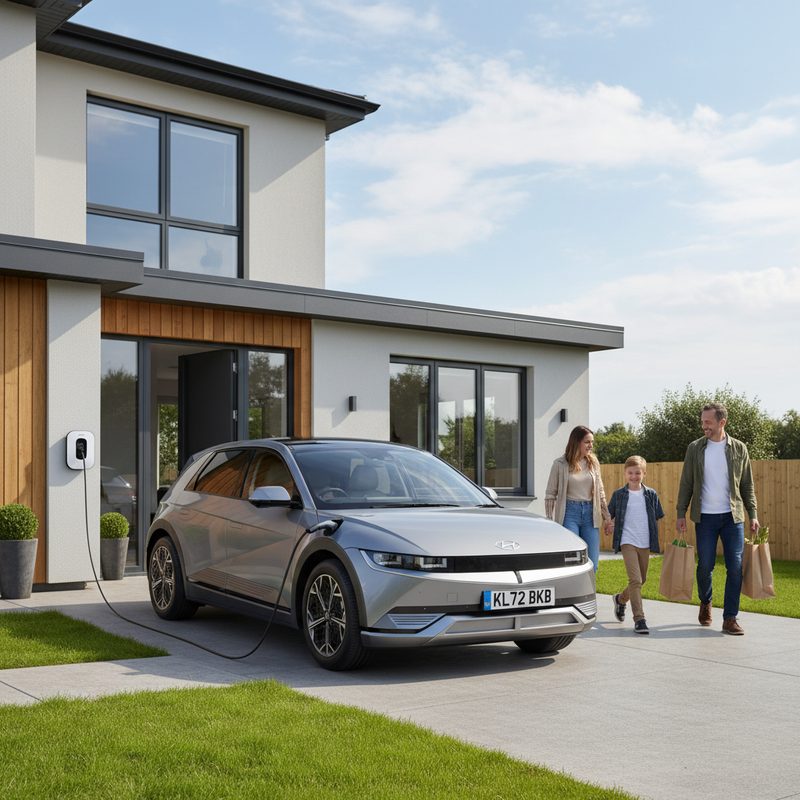
Best Used Electric SUVs UK 2025: Every Option Compared
Discover the top used electric SUVs available in the UK, comparing their features, costs, and what to look for before buying.
Introduction
Electric SUVs are becoming increasingly popular in the UK, and for good reason. They offer a blend of practicality, efficiency, and environmental benefits that traditional petrol or diesel vehicles simply can’t match. But with so many options on the market, how do you choose the best used electric SUV for your needs? In this guide, we’ll dive deep into the best used electric SUVs currently available, comparing their features, costs, and what to look for before making a purchase. Ready to find your perfect electric ride?
Why Choose an Electric SUV?
Electric SUVs are not just a trend; they represent a significant shift in how we think about transportation. With rising fuel prices and increasing environmental concerns, many drivers are looking for alternatives. Electric SUVs offer lower running costs, reduced emissions, and often come with a host of modern tech features. Plus, they typically provide a more spacious interior than their smaller counterparts, making them ideal for families or anyone needing extra cargo space.
But it’s not just about the benefits; it’s also about the choices available. The market is filled with a variety of options, from compact models to larger, more luxurious vehicles. So, what should you consider when choosing a used electric SUV? Let’s break it down.
Battery Health: What to Check and Expect
One of the most critical aspects of any electric vehicle (EV) is its battery health. Unlike petrol or diesel engines, the battery is the heart of an electric SUV. Over time, batteries can degrade, leading to reduced range and performance. When considering a used electric SUV, you should check the following:
-
Battery Capacity: Most electric SUVs will have a battery capacity measured in kilowatt-hours (kWh). A higher capacity generally means a longer range. For instance, a vehicle with a 60 kWh battery might offer a range of around 200-250 miles, depending on driving conditions and style.
-
Battery Degradation: It’s normal for batteries to lose some capacity over time. A good rule of thumb is to expect about 70-80% of the original capacity after a few years. Tools like the DVLA vehicle check can provide insights into the vehicle's history, including any battery replacements.
-
Warranty: Many manufacturers offer warranties on their batteries, often lasting 8 years or more. Ensure that the vehicle you’re considering is still under warranty or has had the battery replaced if it’s showing significant degradation.
-
Charging Cycles: The number of charging cycles a battery has gone through can also affect its health. A vehicle that has been frequently charged to 100% and then drained to near empty may have experienced more wear than one that has been charged more conservatively.
By keeping these factors in mind, you can make a more informed decision about the battery health of any used electric SUV you’re considering.
Real-World Range vs Manufacturer Claims
Ah, the classic debate: real-world range versus what the manufacturer claims. It’s essential to understand that the range advertised by manufacturers is often based on ideal conditions. Factors such as driving style, terrain, and even weather can significantly impact how far you can go on a single charge.
For example, while the Nissan Leaf might boast a range of up to 239 miles, real-world tests often show figures closer to 150-180 miles under typical driving conditions. Similarly, the Hyundai Kona Electric may claim a range of 300 miles, but you might find it drops to around 250 miles in everyday use.
When evaluating a used electric SUV, look for user reviews and real-world tests to get a better idea of what to expect. Websites like AutoTrader often feature owner reviews that can provide valuable insights into real-world performance. Additionally, consider the driving conditions you’ll typically encounter. If you live in a hilly area or frequently drive in cold weather, your range may be affected more than in flat, temperate conditions.
Charging Costs and Infrastructure
Charging costs and the availability of charging infrastructure are critical factors to consider when buying a used electric SUV. While the cost of electricity is generally lower than petrol or diesel, it’s essential to understand how charging works and what it might cost you.
-
Home Charging: If you have off-street parking, installing a home charging point can be a game-changer. The average cost of electricity in the UK is around 14p per kWh. If you have a vehicle with a 60 kWh battery and you charge it from empty, it would cost approximately £8.40 to fully charge. This can give you a range of around 200 miles, making it a cost-effective option for daily commuting.
-
Public Charging: The public charging network is expanding rapidly, but costs can vary significantly. Some charging points are free, while others may charge up to 30p per kWh. Rapid chargers can be more expensive, but they’re incredibly convenient for long journeys. Always check the charging costs before you plug in!
-
Charging Times: Charging times can also vary based on the charger type. A standard home charger might take 8-12 hours for a full charge, while a rapid charger can do it in about 30 minutes. Understanding your charging needs and habits will help you decide which electric SUV is right for you.
-
Infrastructure Availability: Before committing to a used electric SUV, check the availability of charging stations in your area. Apps like Zap-Map can help you find nearby charging points and see if they’re in use or available.
Common Problems Specific to Electric SUVs
While electric SUVs are generally reliable, they’re not without their issues. Knowing what to look for can save you a lot of hassle down the line. Here are some common problems associated with used electric SUVs:
-
Battery Issues: As mentioned earlier, battery health is paramount. Look for signs of battery degradation or any warning lights on the dashboard. If the vehicle has a history of battery replacements, it’s worth investigating further.
-
Software Glitches: Many electric SUVs come with advanced software systems that control everything from navigation to battery management. Occasionally, these systems can experience glitches. Ensure that the vehicle has received all software updates, as manufacturers often release patches to fix known issues.
-
Braking System: Regenerative braking is a feature in many electric vehicles that helps recharge the battery while slowing down. However, if the brakes feel spongy or unresponsive, it could indicate a problem with the braking system. Always test drive the vehicle and pay attention to how the brakes feel.
-
Charging Port Wear: Frequent use of the charging port can lead to wear and tear. Inspect the charging port for any signs of damage or corrosion, as this can affect charging efficiency.
-
Interior Wear: Electric SUVs often come with high-tech interiors, but these can be sensitive to wear and tear. Check for any malfunctioning screens or controls, as repairs can be costly.
For a more in-depth look at potential issues, consider checking out our guide on common problems before buying a used BMW i3.
Running Cost Savings vs Petrol/Diesel
One of the most appealing aspects of electric SUVs is the potential for significant savings on running costs compared to traditional petrol or diesel vehicles. Let’s break down the numbers:
-
Fuel Costs: As mentioned earlier, charging an electric SUV can cost around 14p per kWh. In contrast, petrol prices can fluctuate, but let’s say you’re paying around £1.40 per litre. A petrol SUV that averages 40 mpg would cost you approximately £10 to travel 100 miles. In comparison, an electric SUV could cost around £3.50 for the same distance.
-
Maintenance Costs: Electric vehicles generally have fewer moving parts than their petrol counterparts, which can lead to lower maintenance costs. There’s no oil to change, and brake wear is often reduced due to regenerative braking. However, you should still budget for occasional maintenance, such as tyre replacements and brake servicing.
-
Tax Benefits: Electric vehicles are often exempt from road tax and congestion charges in many UK cities. This can lead to substantial savings, especially if you frequently drive in urban areas.
-
Insurance Costs: While insurance for electric SUVs can sometimes be higher due to their value and technology, many insurers are beginning to offer competitive rates. Always shop around and compare quotes to find the best deal.
-
Government Incentives: Depending on the current government policies, you may be eligible for grants or incentives for purchasing an electric vehicle. Keep an eye on the latest offerings to maximise your savings.
Dave's Verdict: Is It Worth Going Electric?
So, is it worth making the switch to an electric SUV? Absolutely! The benefits are clear: lower running costs, reduced environmental impact, and a growing range of options to suit various needs. However, it’s crucial to do your homework before diving in.
When considering a used electric SUV, focus on battery health, real-world range, and the availability of charging infrastructure. Don’t shy away from asking questions and getting a vehicle history report to ensure you’re making a sound investment.
Ultimately, the choice comes down to your personal circumstances. If you have access to charging at home and primarily drive short distances, an electric SUV could be a fantastic fit. But if you often take long road trips or live in an area with limited charging options, you might want to weigh your options carefully.
Before you make a decision, I highly recommend checking any electric car with Dave's free vehicle intelligence report. It’s a smart way to ensure you’re making an informed choice. Happy car hunting!