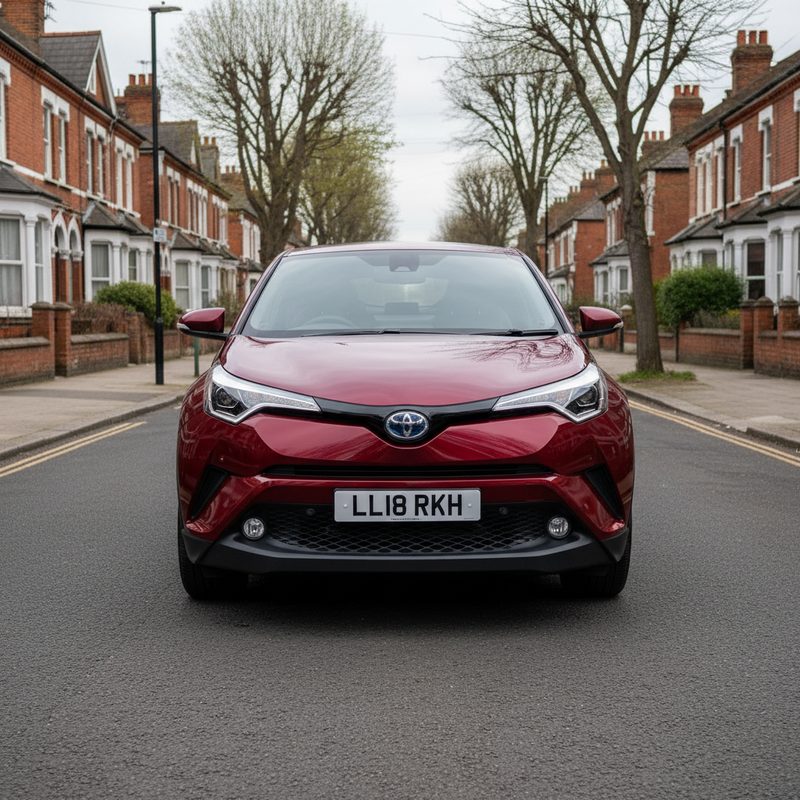
Toyota C-HR Depreciation: Crossover Value Retention
This guide delves into the depreciation of the Toyota C-HR, offering insights on value retention, optimal purchase timing, and variants that hold value best.
Understanding the Depreciation Curve for the Toyota C-HR
The Toyota C-HR has carved out a niche in the crossover market since its introduction. Understanding its depreciation curve is crucial for anyone considering a purchase. Generally, new cars lose around 20% of their value in the first year alone, and the C-HR is no exception. However, its unique design and Toyota's reputation for reliability help it retain value better than many competitors.
In the first three years, the C-HR typically depreciates about 30-35%. By the end of the fifth year, you can expect it to have lost around 50% of its original value. This is a significant factor to consider when buying used. For example, a new C-HR priced at £25,000 will likely be worth around £12,500 after five years. This depreciation rate is competitive, especially when compared to other crossovers like the Ford Kuga or the Nissan Qashqai, which can depreciate more steeply.
The C-HR's depreciation is influenced by several factors, including mileage, condition, and market demand. The crossover segment is currently booming, which can help maintain the C-HR's value. Moreover, its hybrid variants tend to hold their value slightly better due to the increasing demand for fuel-efficient vehicles.
Sweet Spot Age: The Best Year to Buy for Value
Finding the sweet spot for purchasing a used Toyota C-HR can save you a significant amount of money while still providing a reliable vehicle. Generally, the best time to buy is around the three to four-year mark. At this age, the car has already experienced the steepest part of its depreciation curve, meaning you can benefit from a lower purchase price without sacrificing too much in terms of features or reliability.
For instance, a 2018 C-HR that originally cost £25,000 might now be available for around £16,000. This represents a solid value proposition, as you’re getting a relatively new vehicle that still has plenty of life left in it. Additionally, many of these cars will still be under warranty, providing peace of mind for the buyer.
Buying a C-HR that is around three to four years old also means you’ll have access to the latest technology and safety features that Toyota has integrated into the model. Features like adaptive cruise control, lane-keeping assist, and advanced infotainment systems are often standard in later models, making them more desirable on the used market.
Which Variants/Specs Hold Value Best
Not all Toyota C-HR variants are created equal when it comes to depreciation. Generally, the hybrid models tend to hold their value better than their petrol counterparts. This is largely due to the increasing consumer preference for environmentally friendly vehicles, which has made hybrids more sought after in the used car market.
The C-HR Hybrid, with its impressive fuel economy and lower running costs, is often seen as a more attractive option. Buyers are willing to pay a premium for these models, which can lead to a depreciation rate that is 5-10% lower than that of the petrol versions. For example, while a petrol C-HR might depreciate to £12,000 after five years, a hybrid variant could still fetch around £13,500.
Trim levels also play a significant role in value retention. The higher-spec models, such as the C-HR Excel, often come with additional features like premium audio systems, leather upholstery, and advanced safety tech. These features can make a significant difference in resale value. Buyers are often willing to pay more for a well-equipped model, so if you’re looking to buy used, consider going for a higher trim level if your budget allows.
Factors That Affect the C-HR's Resale Value
Several factors can influence the resale value of a Toyota C-HR. Understanding these can help you make a more informed purchase.
Mileage
Mileage is one of the most significant factors affecting a car's value. A C-HR with lower mileage will typically command a higher price than one with higher mileage. For instance, a C-HR with 30,000 miles might be worth £14,000, while one with 60,000 miles could drop to £11,000. Keeping your mileage low can help maintain the vehicle's value over time.
Condition
The overall condition of the vehicle is crucial. A well-maintained C-HR with a full service history will always be more appealing than one that has been neglected. Regular servicing, clean interiors, and a good exterior condition can significantly enhance resale value. It's wise to check the MOT history of any used C-HR you're considering to ensure it has been well cared for.
Market Demand
Market demand plays a pivotal role in determining resale value. The crossover segment is currently popular, which benefits the C-HR. However, trends can shift, and if a new model enters the market or consumer preferences change, it could impact the C-HR's value. Keeping an eye on market trends can help you time your purchase better.
Modifications
While some modifications can enhance a vehicle's appeal, others can detract from its value. For example, custom wheels or a modified exhaust system may not appeal to all buyers. It's generally advisable to keep modifications to a minimum if you plan to sell the car in the future.
How to Minimise Depreciation When You Buy
Minimising depreciation is all about making smart choices at the time of purchase. Here are some practical tips:
Buy Used
The most effective way to minimise depreciation is to buy used rather than new. As mentioned earlier, new cars lose a significant amount of value in their first few years. By purchasing a C-HR that is three to four years old, you can avoid the steepest part of the depreciation curve.
Choose the Right Model
Opting for a hybrid model can also help you retain value. As fuel prices rise and environmental concerns grow, hybrids are becoming increasingly desirable. Additionally, selecting a higher trim level can provide better resale value due to the added features.
Keep It in Good Condition
Regular maintenance and care can go a long way in preserving your car's value. Keeping up with servicing, addressing any minor repairs promptly, and maintaining a clean interior and exterior can make a significant difference when it comes time to sell.
Document Everything
Having a full service history and documentation of any repairs or modifications can enhance your car's resale value. Buyers are more likely to pay a premium for a well-documented vehicle, as it provides peace of mind regarding its condition and history.
Timing Your Purchase: Dave's Recommendation
Timing your purchase can significantly impact the price you pay for a used Toyota C-HR. The best times to buy are typically at the end of the month or during the winter months when dealerships are keen to clear out inventory. During these times, you may find better deals as dealers aim to meet sales targets.
Additionally, shopping during the summer can be beneficial, as many families are focused on holiday plans rather than car shopping. This can lead to less competition and potentially lower prices. Keep an eye on seasonal promotions and sales events, as these can also provide opportunities to snag a good deal.
In conclusion, the Toyota C-HR is a solid choice for anyone looking for a reliable crossover that holds its value well. By understanding the depreciation trends, knowing which variants to choose, and timing your purchase wisely, you can make a smart investment. If you're considering a used C-HR, I recommend checking its value with my free report to ensure you're making a well-informed decision.
For more insights on depreciation and value retention in other models, you might find guides like Ford Mondeo Depreciation: Best Year to Buy Used for Value and Ford Kuga Depreciation: Best Year to Buy Used for Value helpful.
Whether you're in the market for a new or used vehicle, understanding depreciation can save you a lot of money in the long run. Happy car hunting!