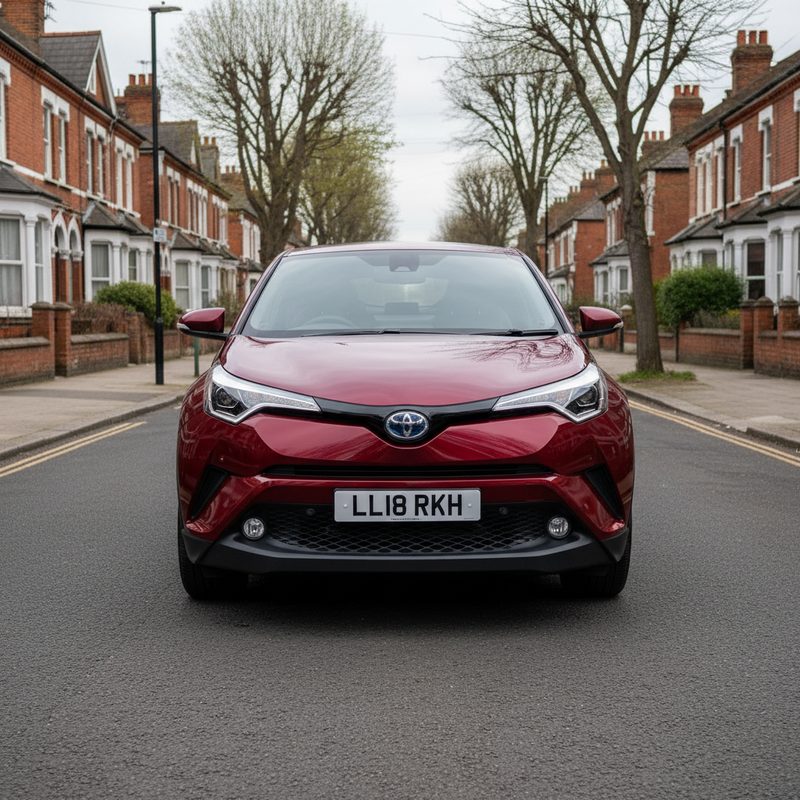
Negotiating a 2018 Toyota C-HR: Fair Market Price
Learn how to negotiate the best price for a 2018 Toyota C-HR with practical tips, negotiation scripts, and leverage points.
Understanding the 2018 Toyota C-HR
So, you’ve got your eye on a 2018 Toyota C-HR, eh? Good choice! This compact SUV has been turning heads since it hit the market, thanks to its unique design and impressive fuel efficiency. But before you rush off to the nearest dealership, let’s talk about something that’s just as important as the car itself: negotiating the price.
Now, negotiating can feel a bit like trying to dance the tango while juggling flaming torches, tricky, but not impossible. With a bit of knowledge and a dash of confidence, you’ll be able to secure a fair deal without breaking a sweat.
Fair Market Price Range for the 2018 Toyota C-HR
First things first, let’s get down to brass tacks: what’s a fair price for this beauty? As of now, the market price for a 2018 Toyota C-HR typically ranges from £18,000 to £22,000 depending on factors like mileage, condition, and trim level.
If you are weighing up alternatives, our guide to How Much Should I Offer for a 2018 Mini Cooper covers similar ground from a different angle.
- Base Model: If you’re looking at the entry-level model, you might find prices starting around £18,000 with mileage under 30,000 miles.
- Mid-Level Trim: For the mid-range trims, expect to pay between £19,500 and £21,000.
- Top Trim: If you’re eyeing the top-of-the-line versions with all the bells and whistles, you might be looking at prices closer to £22,000 or even slightly above, especially if it’s in pristine condition.
To get a better idea of what’s available, check online marketplaces like AutoTrader or Gumtree. This will give you a sense of what other sellers are asking for similar vehicles. Remember, knowledge is power!
Specific Leverage Points Buyers Can Use
Now that you’ve got a ballpark figure, let’s talk about how to leverage that information during negotiations. Here are some solid points to consider:
For more on this topic, take a look at our How Much Should I Offer for a 2018 BMW 3 Series guide.
- Vehicle History: Always ask for the car’s history report. If it’s been in an accident or has any outstanding finance, you can use that to negotiate a lower price.
- MOT History: Check the MOT history for any advisories or failures. If the car has a history of failing its MOT, you can use this as a bargaining chip.
- Market Comparisons: If you find similar models listed for less, don’t hesitate to mention this. Show the dealer you’ve done your homework.
- Condition of the Car: If you notice any scratches, dents, or worn tyres, use these as leverage to negotiate a better price.
- Time of Year: Dealers are often more willing to negotiate at the end of the month or during quieter times of the year. Use this to your advantage!
An Actual Negotiation Script/Dialogue Example
Alright, let’s get into the nitty-gritty of how a negotiation might go down. Here’s a little script to help you out:
You might also find our Is This Ford Puma Overpriced? 5-Minute Check guide useful alongside this one.
You: "Hi there! I’m interested in the 2018 Toyota C-HR you have listed for £21,500. I’ve done some research, and I’ve seen similar models going for around £19,000. Can we discuss the price?"
Dealer: "Well, this one is in excellent condition and has low mileage. I think £21,500 is a fair price."
You: "I understand, but I noticed it has a couple of scratches on the rear bumper and the MOT history shows an advisory for worn brake pads. Given these factors, I think a price closer to £19,000 would be more reasonable."
Dealer: "That’s a fair point, but I can’t go that low. How about £20,500?"
You: "I appreciate that, but I’m really looking to stick around the £19,500 mark. If you can meet me there, I’m ready to make a deal today."
Dealer: "Alright, let’s see what we can do. How about £20,000?"
You: "That’s getting closer! If you can throw in a full service before I take it home, I’ll agree to £20,000."
And there you have it! A friendly back-and-forth that can lead to a successful negotiation. Just remember to stay calm and collected. It’s all part of the game.
When to Walk Away
Now, not every negotiation will end in a handshake and a smile. Sometimes, you need to know when to cut your losses and walk away. Here are a few signs that it might be time to head for the exit:
We have covered related ground in our Negotiating a 2019 Dacia Duster guide, which is worth reading if this subject interests you.
- Price is Non-Negotiable: If the dealer is unwilling to budge on the price and it’s above your budget, it’s time to politely decline and move on.
- High Pressure Sales Tactics: If you feel rushed or pressured into making a decision, that’s a red flag. A reputable dealer should give you time to think.
- Unresolved Issues: If there are significant issues with the car that the dealer refuses to address, don’t waste your time. There are plenty of fish in the sea.
- Feeling Uncomfortable: Trust your gut. If something feels off about the deal or the dealer, it’s better to walk away than to regret it later.
Common Dealer Tactics to Watch For
Dealers can be crafty, and it’s important to be aware of some common tactics they might use:
- The ‘Limited Time Offer’: They might tell you that the price is only valid for today. Don’t fall for it! Take your time to think it over.
- Focusing on Monthly Payments: Dealers may try to steer the conversation towards what you can afford monthly rather than the total price. Keep your focus on the overall cost.
- Trade-In Pressure: If you’re trading in your old car, they might try to lowball you on that to make up for the price of the new one. Get a separate valuation before you negotiate.
- Add-Ons and Extras: Be wary of add-ons like extended warranties or paint protection that can inflate the price. Stick to your guns and only pay for what you really want.
If things go wrong after purchase, Citizens Advice can help you understand your legal rights.
How MOT History Gives You Negotiation Ammo
The MOT history of a vehicle can be a goldmine when it comes to negotiations. Here’s how:
- Check for Failures: If the car has a history of failing its MOT, you can use this to argue for a lower price. A car that’s had multiple failures may indicate underlying issues.
- Advisories: Even if the car has passed its MOT, any advisories can be a point of negotiation. If the dealer hasn’t addressed these issues, you can argue that you’ll need to spend money on repairs soon.
- Service History: A complete service history can boost the car’s value, but if the MOT history shows gaps in servicing, you can use this to negotiate a better price.
Before you head to the dealership, make sure to check the MOT history online through the DVLA website. It’s free and can provide you with valuable information that could save you hundreds of pounds.
The FCA has a useful guide to car finance that explains your rights and what to watch for.
Conclusion
Negotiating the price of a 2018 Toyota C-HR doesn’t have to be a daunting task. Armed with the right information and strategies, you can confidently approach the dealer and secure a fair deal. Remember to do your research, leverage the car’s history, and don’t be afraid to walk away if things aren’t going your way.
And most importantly, always get a free vehicle check before making any commitments. It’s your best defence against overpaying and can provide you with the leverage you need to negotiate effectively. Happy car hunting, and may the odds be ever in your favour!