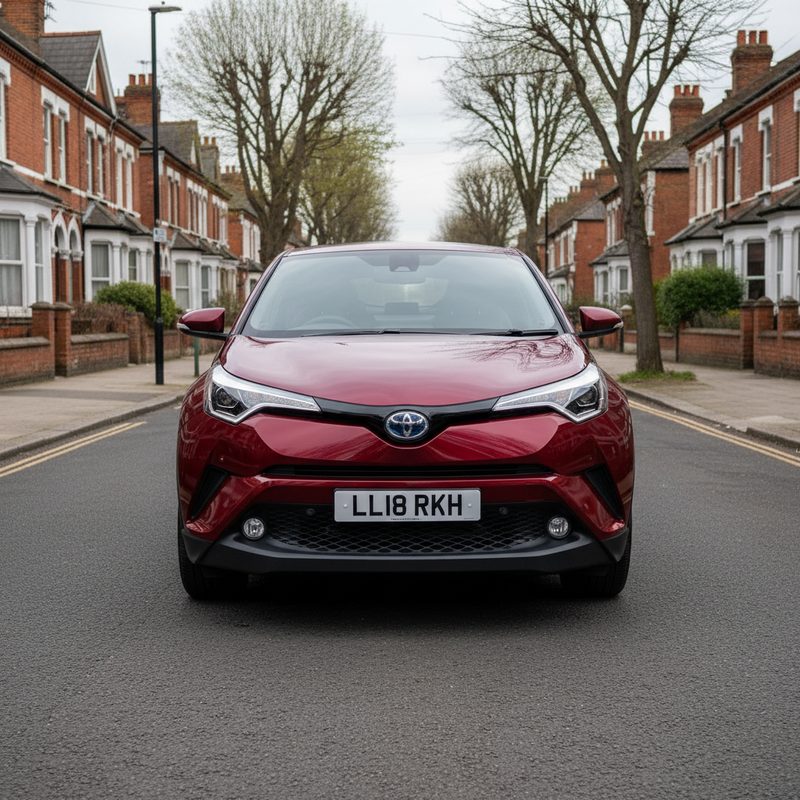
2018 Toyota C-HR Hybrid: Still Worth Buying
The 2018 Toyota C-HR Hybrid offers a blend of style, efficiency, and reliability. Discover if it's the right choice for you.
Overview of the 2018 Toyota C-HR Hybrid
The 2018 Toyota C-HR Hybrid has made a significant mark in the compact SUV segment since its launch. With its striking design, advanced hybrid technology, and Toyota's reputation for reliability, it has attracted a diverse range of buyers looking for a practical yet stylish vehicle. The C-HR, which stands for Coupe High-Rider, combines the best of both worlds: the elevated driving position of an SUV with the sleek lines of a coupe. This model year features a 1.8-litre petrol engine paired with an electric motor, providing a combined output of 122 bhp, which is adequate for urban driving and occasional longer journeys.
In terms of fuel efficiency, the C-HR Hybrid boasts impressive figures, often achieving around 60-70 mpg, depending on driving conditions. This makes it an appealing option for those looking to save on fuel costs while also being environmentally conscious. Moreover, the C-HR comes equipped with a host of safety features, including Toyota’s Safety Sense package, which includes pre-collision systems, lane departure alerts, and adaptive cruise control.
However, potential buyers should consider various factors before making a purchase. This guide will delve into the common problems associated with the 2018 Toyota C-HR Hybrid, typical MOT failure patterns, expected price ranges, and running costs to help you make an informed decision.
Common Problems and Known Issues
While the 2018 Toyota C-HR Hybrid is generally regarded as a reliable vehicle, like any car, it is not without its issues. One of the most frequently reported problems relates to the hybrid battery. Although Toyota hybrid batteries are known for their longevity, some users have reported diminished performance as the vehicle ages, particularly if the car has been used primarily for short trips. It’s advisable to check the hybrid battery’s health during a pre-purchase inspection, as replacing it can be costly, often exceeding £1,500.
Another common issue is related to the infotainment system. Some owners have reported glitches with the touchscreen interface, including slow response times and occasional system freezes. While these issues are generally not severe, they can be frustrating and may require a software update or, in some cases, a replacement unit.
Additionally, there have been reports of rattling noises coming from the interior, particularly in models that have been driven on rough roads. This can often be attributed to loose trim or components, which may require tightening or replacement. It’s worth noting that these issues are not widespread, but they are worth considering when evaluating a used model.
Lastly, while the C-HR has a good safety rating, some users have expressed concerns about visibility due to the car's design, particularly the rear visibility. This can be mitigated by ensuring the vehicle is equipped with parking sensors or a rear-view camera, which are often included in higher trim levels.
MOT Failure Patterns
Understanding the typical MOT failure patterns for the 2018 Toyota C-HR Hybrid can provide valuable insights into the vehicle's reliability and maintenance needs. Generally, the C-HR has performed well in MOT tests, but there are common areas where issues may arise.
One frequent cause of failure is related to the vehicle’s lights. Owners have reported problems with bulbs, particularly in the rear brake lights and indicators. Regular checks and timely replacements can help avoid this issue. Another common area of concern is the condition of the tyres. The C-HR, like many compact SUVs, can wear tyres unevenly if the alignment is off, leading to premature wear and potential MOT failures. Ensuring that the tyres are regularly rotated and aligned can mitigate this risk.
Brakes are another critical component that can lead to MOT failures. Some owners have noted that the brake pads may wear out faster than expected, particularly if the vehicle has been driven in a more aggressive manner. Regular servicing and checks can help catch these issues before the MOT is due.
Lastly, emissions-related failures can occur, particularly if the vehicle has not been maintained properly. The hybrid system should be regularly serviced to ensure it operates efficiently, as any issues with the exhaust or emissions control systems can lead to MOT failures. Overall, while the C-HR has a good track record, being proactive with maintenance can help avoid common pitfalls during the MOT process.
What You Should Expect to Pay
When considering a used 2018 Toyota C-HR Hybrid, pricing can vary significantly based on factors such as mileage, condition, and trim level. As of 2023, you can expect to pay anywhere between £18,000 and £24,000 for a well-maintained model with average mileage of around 30,000 to 50,000 miles. Lower mileage examples, particularly those with higher trim levels or additional features, can command prices closer to the upper end of that range.
For instance, a base model with around 40,000 miles might be listed for approximately £19,500, while a higher-spec model with features like leather seats, a premium audio system, and advanced safety tech could be priced at £23,000 or more. It’s essential to consider the vehicle's history, including any previous accidents or significant repairs, as these can impact the price.
Additionally, it’s worth noting that the C-HR Hybrid tends to hold its value relatively well compared to other vehicles in its class. This is partly due to the growing demand for hybrid vehicles as more drivers seek fuel-efficient options. Therefore, while the initial purchase price may seem high, the long-term value retention can make it a worthwhile investment.
Running Costs Overview
Understanding the running costs associated with the 2018 Toyota C-HR Hybrid is crucial for potential buyers. The hybrid system contributes significantly to lower fuel costs, with many owners reporting fuel economy figures in the range of 60-70 mpg under normal driving conditions. This translates to a fuel cost of approximately £1,200 to £1,500 per year based on average UK fuel prices and typical mileage of 12,000 miles.
Insurance costs for the C-HR Hybrid are also relatively reasonable, with most drivers falling into insurance groups 15 to 18, depending on the trim level and optional features. This typically results in annual premiums ranging from £600 to £900, making it accessible for a wide range of drivers.
Servicing costs should also be factored into your budget. Toyota vehicles are known for their reliability, but regular servicing is essential to maintain performance and longevity. A standard service for the C-HR Hybrid can cost between £150 and £250, depending on the service provider and whether any additional work is required. It’s advisable to stick to Toyota dealerships or reputable independent garages that are familiar with hybrid technology for servicing to ensure the best care for your vehicle.
Lastly, road tax for the 2018 C-HR Hybrid is relatively low, as it falls into the lower emissions category. Expect to pay around £140 per year for road tax, making it an economical choice for budget-conscious drivers.
Dave's Honest Verdict
In conclusion, the 2018 Toyota C-HR Hybrid presents a compelling option for those in the market for a used compact SUV. With its stylish design, impressive fuel economy, and Toyota's renowned reliability, it stands out as a strong contender in its class. However, potential buyers should be aware of the common issues associated with the model, particularly concerning the hybrid battery and infotainment system.
If you’re considering purchasing a C-HR Hybrid, it’s essential to conduct thorough research and possibly obtain a vehicle history report to ensure you’re making a sound investment. The vehicle's overall running costs are manageable, and its resale value tends to hold up well, making it a practical choice for many drivers.
Ultimately, if you find a well-maintained example with a good service history, the 2018 Toyota C-HR Hybrid is worth considering. Just remember to check for any signs of wear and tear, especially in the hybrid system, and ensure that you’re comfortable with the price before making a decision.
Final Recommendation
For those looking for a stylish, efficient, and reliable vehicle, the 2018 Toyota C-HR Hybrid is a strong buy. However, if you’re not comfortable with the potential issues or if you find a model with a questionable history, it may be wise to explore other options. Always remember to check any Toyota C-HR instantly with Dave's free vehicle intelligence report to make the most informed decision possible.
Dave Rating
{ "score": 8, "summary": "The 2018 Toyota C-HR Hybrid is a solid choice for buyers seeking style and efficiency, but be mindful of potential hybrid issues." }