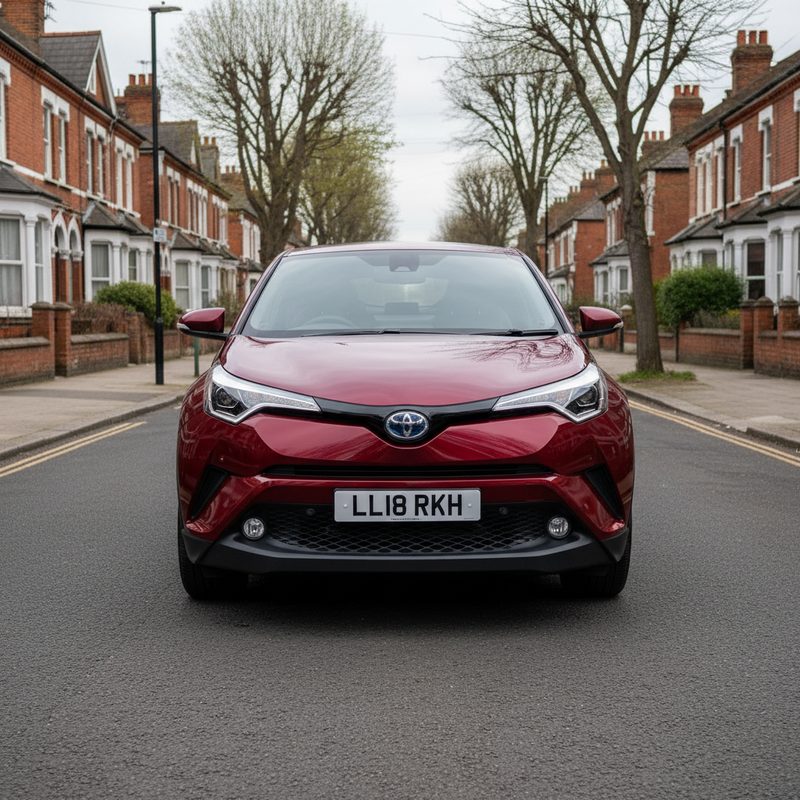
Toyota C-HR at 60,000 Miles — Hybrid Holding Up
This guide delves into the Toyota C-HR at 60,000 miles, covering performance, maintenance needs, pricing, and potential red flags to watch for.
Understanding the Toyota C-HR at 60,000 Miles
The Toyota C-HR is a compact crossover that has gained popularity for its stylish design, hybrid efficiency, and reliable performance. As you consider purchasing a used C-HR, understanding what to expect at the 60,000-mile mark is crucial. At this mileage, the vehicle is often entering a phase where certain components may require attention, while others may still be in excellent condition. This guide will provide you with comprehensive insights into the performance, maintenance needs, pricing expectations, and potential red flags associated with a Toyota C-HR at this mileage.
What to Expect from the C-HR at This Mileage
At 60,000 miles, the Toyota C-HR is generally considered to be in its mid-life stage. This mileage is significant because it often coincides with the completion of the vehicle's initial warranty period, which typically lasts for three years or 60,000 miles. Therefore, you can expect the car to have a solid track record of reliability, especially if it has been well-maintained.
The hybrid system in the C-HR is designed for longevity, and many owners report that the battery pack remains effective even beyond this mileage. However, it's essential to check the battery health, as hybrid batteries can degrade over time. You might notice a slight dip in fuel efficiency compared to a new model, but the C-HR should still deliver impressive miles per gallon, typically around 50-55 mpg, depending on driving conditions and habits.
In terms of performance, the C-HR should feel responsive, with a smooth ride quality. The suspension system is generally durable, providing a comfortable experience on both city roads and motorways. However, if the vehicle has been driven primarily in urban settings, you might find some wear on the brakes and tyres, which could require attention sooner than expected.
Components That Typically Need Attention at This Mileage
As with any vehicle, certain components are more likely to require maintenance or replacement as mileage increases. For the Toyota C-HR at 60,000 miles, here are some key areas to focus on:
-
Brakes: Depending on driving habits, brake pads and discs may need replacement. If the previous owner frequently drove in stop-and-go traffic, expect to inspect the brakes closely. A typical replacement cost for brake pads can range from £100 to £300, while discs may cost an additional £150 to £250.
-
Tyres: Tyres should be checked for tread depth and uneven wear. If the C-HR has been driven primarily in urban areas, the tyres may show signs of wear and could need replacing. A new set of tyres can cost between £300 and £600, depending on the brand and specifications.
-
Hybrid Battery: While the hybrid battery is designed to last, it’s wise to check its health. A replacement battery can cost anywhere from £1,500 to £3,000, so understanding its condition is crucial. Some C-HR models may still be under warranty for the hybrid system, so check the documentation.
-
Fluids: Regular fluid checks are essential. At 60,000 miles, you should ensure that the engine oil, coolant, and brake fluid are at appropriate levels and in good condition. An oil change typically costs around £50 to £100, depending on the service provider.
-
Suspension Components: Inspect the suspension for any signs of wear, particularly if the car has been driven on rough roads. Components like shock absorbers may need replacement, which can cost between £300 and £600.
-
Filters: The air filter and cabin filter should be replaced if they haven’t been changed recently. These replacements are relatively inexpensive, usually costing around £30 to £60 each.
Is the Price Usually Right for This Mileage? What Discount to Expect
When considering the price of a Toyota C-HR at 60,000 miles, it’s essential to understand how mileage impacts value. Generally, a C-HR in good condition at this mileage can be priced between £15,000 and £20,000, depending on the model year, trim level, and overall condition.
However, it's crucial to negotiate based on the vehicle's condition and any maintenance needs. If you discover that the brakes or tyres require immediate attention, use this as leverage to negotiate a lower price. A typical discount for vehicles needing minor repairs can range from £500 to £1,000, depending on the extent of the work needed.
Additionally, consider the market demand for hybrid vehicles. With increasing fuel prices and environmental concerns, hybrids like the C-HR are often in high demand, which can keep prices relatively stable. However, if you find a C-HR that has been on the market for a while, you might be able to negotiate a better deal.
Red Flags in the MOT History at This Mileage
When purchasing a used car, the MOT history is a critical document that can reveal potential issues. For a Toyota C-HR at 60,000 miles, here are some red flags to watch for in the MOT history:
-
Frequent Failures: If the vehicle has a history of failing MOTs, especially for serious issues like emissions or structural integrity, this should raise concerns about its overall condition. Look for patterns in the failures and whether they were adequately addressed.
-
Advisories: Pay attention to any advisories listed in the MOT history. Common advisories for a C-HR at this mileage might include worn brake pads or tyres nearing the legal limit. While advisories don’t mean the car has failed, they indicate areas that may require attention soon.
-
High Mileage in a Short Time: If the C-HR has clocked a significant amount of mileage in a short period, it could indicate heavy use, which may lead to increased wear and tear. A well-maintained car should have a consistent mileage pattern.
-
Missing or Incomplete Records: Ensure that the MOT history is complete and that there are no gaps in documentation. A lack of records can indicate poor maintenance or that the vehicle has changed hands frequently, which may not be a good sign.
-
Corrosion Issues: Look for any mentions of corrosion or structural issues in the MOT history. While the C-HR is generally well-built, any signs of rust or damage should be taken seriously, as they can lead to expensive repairs.
Dave's Verdict — Worth the Risk or Walk Away?
When it comes to the Toyota C-HR at 60,000 miles, my verdict is generally positive, provided you do your due diligence. The C-HR is known for its reliability and efficiency, making it a solid choice for a used hybrid vehicle. However, it’s crucial to approach the purchase with a careful mindset.
Before making a decision, ensure you obtain a comprehensive vehicle history report. This report can provide insights into previous ownership, service history, and any accidents or damage. Additionally, consider having the car inspected by a trusted mechanic to identify any potential issues that may not be immediately visible.
If the C-HR has been well-maintained, shows no significant red flags in the MOT history, and the price is right, it can be a worthwhile investment. However, if you encounter multiple issues or if the price seems inflated for the condition, it may be wise to walk away and look for a better option.
Conclusion
Purchasing a used Toyota C-HR at 60,000 miles can be a smart choice, especially if you’re looking for a reliable hybrid vehicle. By understanding what to expect at this mileage, knowing which components may need attention, and being aware of potential red flags, you can make an informed decision. Always remember to check the vehicle's mileage history with a free report to ensure you’re making a sound investment. With the right approach, you can find a C-HR that meets your needs and offers excellent value for money.
Check Toyota C-HR, instantly with Dave's free vehicle intelligence report.
Check any Toyota C-HR's mileage history with Dave's free report