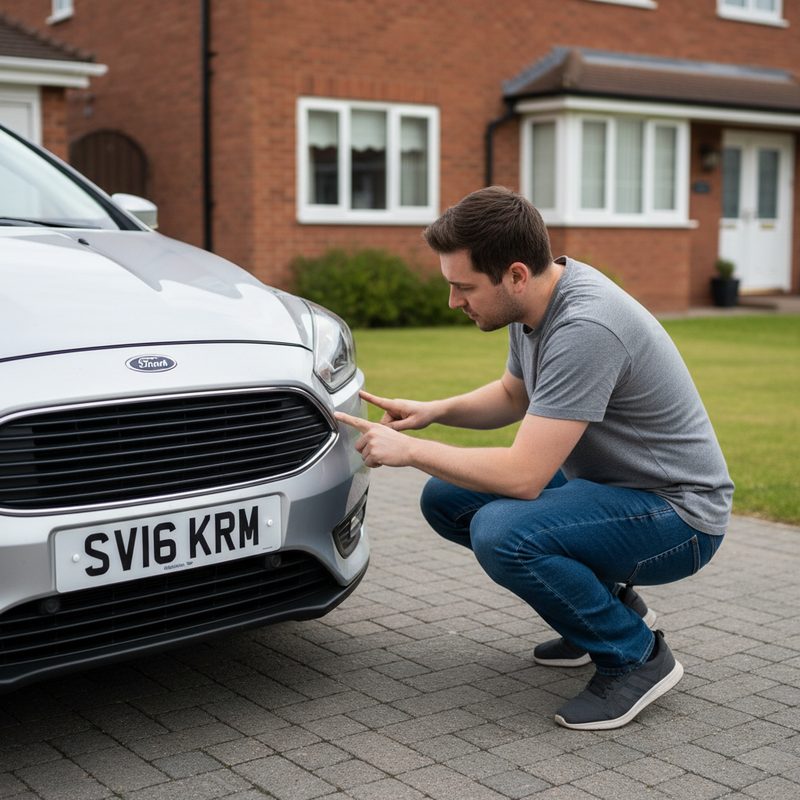
Complete Used Car Buying Checklist: Dave's Complete Guide
Buying a used car can be daunting, but with Dave's complete checklist, you'll navigate the process like a pro and avoid costly mistakes.
Introduction
Buying a used car can feel like navigating a minefield, can’t it? One minute you’re dreaming of that shiny motor, and the next, you’re knee-deep in paperwork, dodgy sellers, and the ever-looming threat of a lemon. Fear not! This guide is your trusty roadmap to making the right choice and avoiding the pitfalls that plague so many buyers. With my checklist in hand, you’ll be ready to tackle the used car market like a seasoned pro.
Step-by-Step Process Explained
1. Set Your Budget
First things first, let’s talk money. Setting a budget is crucial before you even think about browsing AutoTrader or scouring the local classifieds. Consider not just the purchase price but also the ongoing costs like insurance, road tax, fuel, and maintenance. A good rule of thumb is to allocate around 10% of your budget for unexpected repairs. If you’re eyeing a car for £10,000, set aside an extra £1,000 for those pesky surprises.
2. Research Your Options
Once you’ve got your budget, it’s time to dive into research. What type of car do you need? A zippy hatchback for city driving, or a family SUV for those weekend getaways? Websites like AutoTrader are goldmines for comparing models, prices, and reviews. Make a shortlist of cars that fit your needs and budget. Don’t forget to check out the best time of year to buy a used car in the UK, timing can save you a pretty penny!
3. Check for Outstanding Finance
Before you get too attached to that shiny new ride, do a quick check for any outstanding finance. You don’t want to end up with a car that’s still tied to someone else’s loan. Use the DVLA vehicle check to find out if there’s any finance owed on the vehicle. If there is, walk away. It’s not worth the risk.
4. Arrange a Viewing
Now that you’ve narrowed down your options, it’s time to arrange a viewing. Always meet in a public place, preferably during daylight hours. This isn’t just for your safety; it’s also easier to spot any dodgy repairs or paint jobs in good light. Bring a friend along if you can, two pairs of eyes are better than one!
If you are weighing up alternatives, our guide to Outstanding Finance On A Used Car covers similar ground from a different angle.
5. Conduct a Thorough Inspection
You wouldn’t buy a house without a proper inspection, so why would you do it with a car? Use a used car inspection checklist to guide you through the process. Look for signs of rust, check the tyre tread, and don’t forget to pop the bonnet and check the oil level. If you’re not confident in your mechanical knowledge, consider hiring a professional to do a pre-purchase inspection.
6. Take It for a Test Drive
Ah, the test drive, the moment of truth! This is where you’ll really get a feel for the car. Don’t just drive around the block; take it on a variety of roads. Pay attention to how it handles, listen for any strange noises, and make sure all the gadgets work. For a detailed guide on What To check during your test drive, check out my test drive checklist.
7. Negotiate the Price
Once you’re satisfied with the car, it’s time to negotiate. Don’t be afraid to haggle. It’s expected! Use your research to justify your offer. If you’ve found similar models for less, mention it. Remember, the worst they can say is no, and you’ll never know if you don’t ask.
8. Finalise the Paperwork
Congratulations! You’re almost there. Before you hand over your hard-earned cash, ensure all the paperwork is in order. Check the V5C document, which proves ownership, and make sure the seller’s details match. If you’re buying from a dealer, they should handle most of this for you. If it’s a private sale, you’ll need to complete the transfer of ownership yourself. Don’t forget to check the MOT history and ensure the car is roadworthy.
For more on this topic, take a look at our What Questions To Ask When Buying A Used Car guide.
9. Insure Your New Car
Before you drive off into the sunset, make sure you’ve sorted out insurance. You can’t legally drive without it, so get quotes from various providers and find the best deal. If you’re unsure How to go about it, my guide on how to insure a used car before collecting it has got you covered.
10. Enjoy Your New Ride
Finally, it’s time to enjoy your new wheels! Take a moment to appreciate your hard work and the savvy decisions you made along the way. Remember, you’ve not just bought a car; you’ve made an investment. Keep it well-maintained, and it’ll serve you well for years to come.
What Documents and Preparation You Need
When buying a used car, preparation is key. Here’s a list of essential documents you should have in hand:
V5C Registration Document
This is the car’s logbook, proving who the registered keeper is. Always check that the details match the seller’s information. If the seller can’t provide this, it’s a massive red flag.
You might also find our How Many Miles Is Too Many guide useful alongside this one.
MOT Certificate
If the car is over three years old, it should have a valid MOT certificate. This document shows that the car has passed its annual roadworthiness test. You can check the MOT history online at the GOV.UK MOT history site.
Service History
A well-documented service history can add value to the car and give you peace of mind. Look for regular servicing, especially for major components like the timing belt. If the seller can’t provide this, ask why.
Receipts for Repairs
If the seller has done any significant repairs or upgrades, ask for receipts. This shows they’ve taken care of the car and can give you insight into its condition.
Insurance Documents
Once you’ve bought the car, you’ll need insurance before you can drive it away. Have your insurance documents ready to go.
We have covered related ground in our Consumer Rights Buying Private Sale Car guide, which is worth reading if this subject interests you.
Road Tax
Ensure the car is taxed before you drive it. You can check the road tax status on the GOV.UK road tax checker. If it’s not taxed, you’ll need to sort that out before hitting the road.
Common Mistakes to Avoid
Even the most seasoned buyers can fall into traps when purchasing a used car. Here are some common mistakes to watch out for:
Skipping the Research
Don’t just jump into the first car that catches your eye. Take the time to research different models, their reliability, and their running costs. You might be surprised at how much you can save by choosing a different model.
Ignoring the Test Drive
Some buyers are so eager to seal the deal that they skip the test drive. This is a huge mistake! The test drive is your chance to see how the car performs and whether it suits your needs. Always take it for a spin.
You can check the exact safety score for any model on the Euro NCAP website.
Not Checking for Outstanding Finance
As mentioned earlier, buying a car with outstanding finance can lead to serious headaches. Always check before you buy, and don’t take the seller’s word for it.
Forgetting to Negotiate
Many buyers feel uncomfortable negotiating the price, but remember, it’s part of the process. Don’t be afraid to make an offer that’s lower than the asking price, especially if you’ve found similar cars for less.
Overlooking the Paperwork
Ensure all the paperwork is in order before finalising the sale. Double-check the V5C, MOT certificate, and service history. If anything seems off, don’t be afraid to walk away.
Legal Rights and Protections
As a buyer, you have certain legal rights when purchasing a used car. Here’s what you need to know:
You can look up the exact insurance group for any car on Thatcham's website before getting quotes.
Consumer Rights Act
Under the Consumer Rights Act, you have the right to expect that the car is of satisfactory quality, fit for purpose, and as described. If the car turns out to be faulty shortly after purchase, you may have grounds for a refund or repair.
Private Sales vs. Dealer Sales
When buying from a dealer, you have more protections than when buying privately. Dealers must provide a warranty and are obligated to ensure the car is roadworthy. In contrast, private sales are usually sold as seen, meaning you have less recourse if something goes wrong.
Cooling-Off Period
If you buy from a dealer, you may have a cooling-off period during which you can cancel the sale. This is usually around 14 days, but check the dealer’s policy. If you change your mind, make sure you act quickly.
Practical Tips from Dave's Experience
Trust Your Gut
If something feels off about the seller or the car, trust your instincts. It’s better to walk away than to risk making a bad investment. There are plenty of cars out there, so don’t feel pressured to make a decision on the spot.
The FCA has a useful guide to car finance that explains your rights and what to watch for.
Bring a Friend
Having a second pair of eyes can be invaluable. A friend can help spot things you might miss and provide a second opinion on the car’s condition. Plus, it makes the process a bit more enjoyable!
Don’t Rush the Process
Buying a used car is a big decision, so take your time. Don’t feel rushed into making a purchase. The right car is out there, and it’s worth waiting for.
Use Technology to Your Advantage
There are plenty of online tools available to help you make informed decisions. Use the DVLA check to verify the car’s history, and don’t hesitate to use apps to compare prices and features.
Checklist or Action Items
Here’s a handy checklist to keep you on track during your used car buying journey:
- Set your budget and stick to it.
- Research different models and their running costs.
- Check for outstanding finance on potential purchases.
- Arrange viewings in safe, public locations.
- Conduct thorough inspections using a checklist.
- Take each car for a test drive.
- Negotiate the price based on your research.
- Ensure all paperwork is in order before finalising the sale.
- Sort out insurance before driving away.
Conclusion
Buying a used car doesn’t have to be a stressful experience. With the right preparation and knowledge, you can navigate the process like a seasoned pro. Use this checklist as your guide, and don’t hesitate to reach out for help if you need it. Remember, I’m here to assist you in checking any car you’re considering, ensuring you make a smart, informed decision. Happy car hunting!