How to Spot a Clocked Car — Dave's Complete Guide
Discover essential tips and checks to spot a clocked car, ensuring you make a smart purchase and avoid costly mistakes.
Understanding Clocking: What Is It?
Clocking refers to the illegal practice of altering a vehicle's odometer to display a lower mileage than the car has actually travelled. This deceitful tactic is often employed by unscrupulous sellers to inflate the perceived value of a vehicle, making it seem like a better deal than it truly is. In the current used car market, where mileage is a significant factor in determining a vehicle's value, clocking can have severe implications for buyers.
The motivations behind clocking are clear: a car with lower mileage typically commands a higher price. For instance, a well-maintained vehicle with 30,000 miles on the clock may sell for £10,000, while a similar model with 80,000 miles might only fetch £6,000. This discrepancy can lead to significant financial losses for buyers who unknowingly purchase a clocked vehicle.
Moreover, clocking can lead to safety concerns. A car that has been driven far more than its odometer suggests may have undetected wear and tear, potentially leading to mechanical failures or accidents. Thus, understanding How to spot a clocked car is crucial for any prospective buyer.
If you are weighing up alternatives, our guide to Buying a Car With Advisories on the MOT covers similar ground from a different angle.
How to Spot a Clocked Car: Practical Checks
Identifying a clocked car requires a keen eye and a systematic approach. Here are several practical checks you can perform:
1. Check the MOT History
One of the most effective ways to uncover a vehicle's true mileage is by examining its MOT history. Each time a car undergoes an MOT test, the recorded mileage is documented. You can access this information through the GOV.UK MOT history service. Look for any discrepancies in the mileage recorded during previous tests. For example, if the current odometer reading is significantly lower than the last recorded mileage, this could be a red flag.
2. Inspect the Service History
A well-maintained car should have a comprehensive service history. Check for service stamps in the logbook and receipts for maintenance work. If the mileage on the service records does not align with the current odometer reading, it may indicate tampering. Additionally, a lack of service history can also be a warning sign, as it suggests the vehicle may not have been properly cared for.
3. Look for Physical Signs of Wear
A vehicle's physical condition can often reveal more than its odometer. Inspect the pedals, steering wheel, and seat fabric for excessive wear. If these components show signs of heavy use while the odometer indicates low mileage, it could suggest that the car has been clocked. Similarly, check for mismatched panels or paintwork, which could indicate previous accidents and repairs, as discussed in our guide on buying a car with mismatched panels.
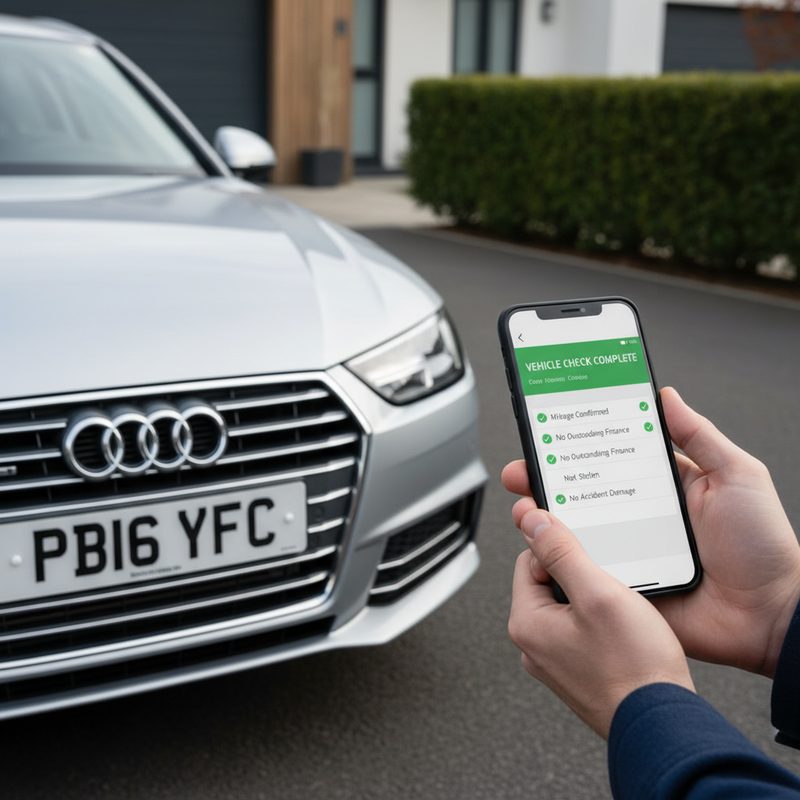
4. Use a Vehicle Check Service
Running a vehicle check can provide you with crucial information about a car's history, including whether it has been clocked. Services like the DVLA vehicle check can reveal previous ownership, outstanding finance, and more. Additionally, many online platforms, such as AutoTrader, offer tools to check a car's history, including mileage discrepancies.
5. Trust Your Instincts
If a deal seems too good to be true, it often is. Be wary of sellers who are evasive about a car's history or who pressure you to make a quick decision. Trust your gut feeling; if something feels off, it’s worth investigating further.
What Clocking Means for the Car's Condition and Value
When a car has been clocked, it can have serious implications for both its condition and its value. Firstly, the vehicle may have undergone far more wear and tear than the odometer suggests. Components such as the engine, transmission, and suspension are all subject to stress over time, and if a car has been driven extensively, these parts may be on the verge of failure. This can lead to unexpected repair costs for the buyer.
From a financial perspective, purchasing a clocked car can result in significant losses. If you buy a vehicle under the impression that it has low mileage, only to discover later that it has been clocked, you may find yourself facing depreciation that far exceeds what you anticipated. A car that should have been worth £10,000 might only be worth £5,000 once its true mileage is revealed.
For more on this topic, take a look at our Why Is This Car So Cheap guide.
Moreover, clocking can affect insurance premiums. If an insurer discovers that a vehicle has been clocked, they may refuse to pay out in the event of a claim, leaving the owner with a hefty financial burden. This is particularly concerning for buyers who may be unaware of the car's true history.
We have covered related ground in our MOT History Red Flags guide, which is worth reading if this subject interests you.
Real Cost Implications of Ignoring Clocking
Ignoring the signs of a clocked car can lead to a cascade of financial problems. For instance, consider a scenario where you purchase a vehicle for £10,000, believing it to have low mileage. If you later discover that the car has been clocked and its true value is only £5,000, you stand to lose £5,000 immediately.
Furthermore, the costs don't stop there. If the vehicle requires significant repairs due to undisclosed wear and tear, you could be looking at thousands more in expenses. For example, if the engine fails prematurely due to excessive mileage, a replacement could set you back anywhere from £2,000 to £4,000, depending on the make and model.
Before buying, you can check the exact road tax cost on GOV.UK using the registration number.
In addition to repair costs, there are potential legal ramifications. If you unknowingly purchase a clocked car, you may find it difficult to seek recourse from the seller, especially if they are a private individual. The burden of proof often lies with the buyer, making it challenging to recover your losses.
You can check the exact safety score for any model on the Euro NCAP website.
How to Protect Yourself from Clocked Cars
To safeguard yourself against the pitfalls of purchasing a clocked vehicle, consider the following strategies:
1. Conduct Thorough Research
Before making a purchase, invest time in researching the car's history. Use the DVLA vehicle check and MOT history services to gather as much information as possible. This diligence can help you identify any red flags early in the buying process.
2. Ask for Documentation
Request all relevant documentation from the seller, including the V5 logbook and service history. Be wary of any inconsistencies, and don't hesitate to ask questions about the car's past. If a seller is reluctant to provide documentation, it may be a sign that they have something to hide. For more on this, check out our guide on V5 logbook red flags.
3. Get a Professional Inspection
Consider hiring a professional mechanic to inspect the vehicle before purchase. A trained eye can spot signs of clocking and other potential issues that you might miss. This investment can save you from costly mistakes down the line.
4. Trust Reputable Dealers
If you're buying from a dealer, choose one with a solid reputation. Look for reviews and ratings online, and consider visiting the dealership in person to gauge their professionalism. Reputable dealers are less likely to engage in unethical practices, including clocking.
5. Run a Free Vehicle Check with Dave
To further protect yourself, consider running a free vehicle check with Dave. This tool can help you spot red flags instantly, giving you peace of mind before making a purchase.
Dave's Verdict: Deal-Breaker or Manageable?
In my opinion, spotting a clocked car is a crucial skill for any used car buyer. The risks associated with purchasing a clocked vehicle far outweigh any potential savings. If you identify any signs of clocking during your checks—such as discrepancies in mileage, excessive wear, or a lack of service history—consider it a deal-breaker.
However, if you find a vehicle that checks out with a clean history and reasonable wear for its mileage, it may still be a good buy. Just remember to remain vigilant and trust your instincts. The used car market can be fraught with pitfalls, but with the right knowledge and tools, you can navigate it successfully.
If things go wrong after purchase, Citizens Advice can help you understand your legal rights.
In conclusion, being informed and proactive is your best defence against clocked cars. By conducting thorough checks, asking the right questions, and utilising available resources, you can protect yourself from falling victim to this common scam. Don't let a clocked car derail your plans—stay alert and make smart choices.
You can look up the exact insurance group for any car on Thatcham's website before getting quotes.
Run a free vehicle check with Dave to spot red flags instantly
Get Dave's free AI-powered vehicle check before you make a decision.