Buying a Car With No Service History — Is It Worth the Risk
Considering a used car without a service history? This guide explores the risks, how to spot potential issues, and whether it's worth the gamble.
Understanding the Importance of Service History
When it comes to buying a used car, the service history is often seen as a golden ticket — a clear indicator of how well the vehicle has been maintained. But what happens when that ticket is missing? Is it worth the risk to buy a car with no service history? Let’s dive into the nitty-gritty of this topic and uncover the potential pitfalls and benefits.
A service history provides a detailed account of all the work that has been done on the car, including regular maintenance, repairs, and any major issues that have been addressed. It’s like a health record for your vehicle, showing how it has been cared for over the years. Without it, you’re essentially flying blind. You might be looking at a car that’s been babied, or you could be staring down the barrel of a money pit that’s been neglected.
The Risks of Buying Without a Service History
The absence of a service history raises several Buying a Car on Hire Purchase covers similar ground from a different angle.
Moreover, a lack of service history can indicate that the previous owner didn’t take proper care of the vehicle. This could lead to a host of problems down the line, including engine issues, transmission failures, or other costly repairs. In the worst-case scenario, you could end up with a car that’s been clocked or involved in a serious accident, which might not be immediately apparent without a thorough check.
How to Spot Potential Issues
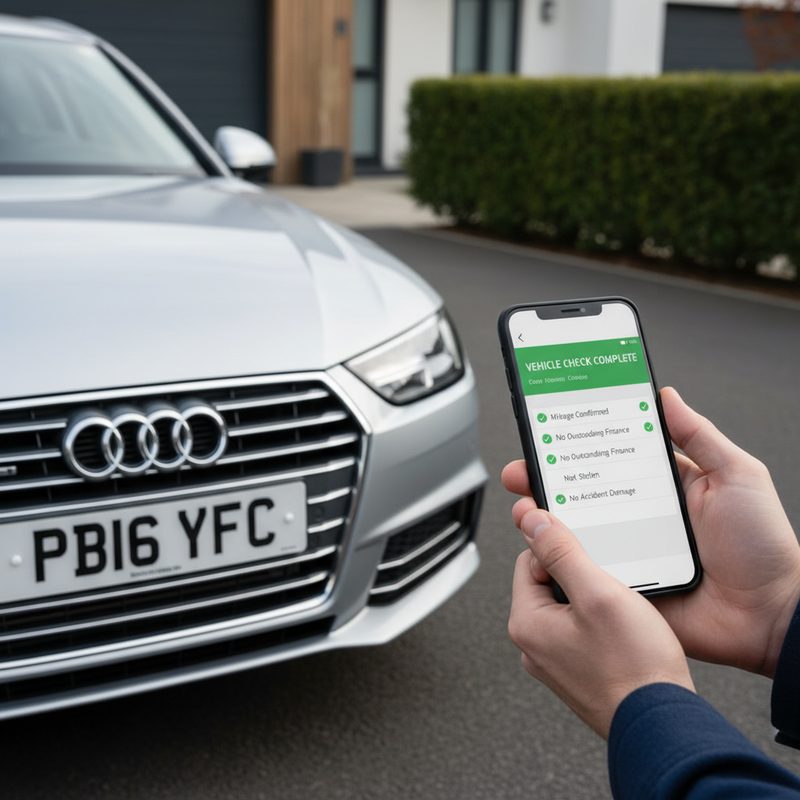
So, how can you protect yourself when considering a car without a service history? The first step is to conduct a comprehensive vehicle check. Services like the DVLA vehicle check can provide you with crucial information about the car’s past, including its MOT history and any outstanding finance. This is essential because it can reveal whether the car has been involved in any accidents or if it has been written off.
For more on this topic, take a look at our How To Spot A Clocked Car From Mot History guide.
Next, take a close look at the car itself. Inspect the engine bay for signs of oil leaks or corrosion, and check the condition of the tyres. Uneven wear could indicate alignment issues, which might suggest that the car hasn’t been properly maintained. Additionally, pay attention to the interior. Worn seats or a shabby dashboard can be indicators of neglect.
Don’t forget to check the MOT history on the GOV.UK MOT history site. This can tell you if the car has passed its tests consistently and if any advisories were noted. If the car has a history of failing its MOTs, it’s a significant red flag.
You might also find our Cat C and Cat D Write-Offs Explained guide useful alongside this one.
What It Means for the Car’s Condition and Value
The absence of a service history can significantly impact the car's value. Cars with documented service histories tend to fetch higher prices because buyers feel more confident in their purchase. Without this documentation, you might find that the car is priced lower, but that could be a double-edged sword. Are you getting a bargain, or are you just setting yourself up for a future headache?
In terms of condition, a lack of service history often correlates with potential hidden issues. For instance, if a car has missed regular oil changes, it could lead to engine wear and tear that might not be immediately visible. Similarly, if the previous owner neglected to replace the timing belt, you could be looking at a catastrophic engine failure down the line, which could cost thousands to repair.
We have covered related ground in our Buying an Ex-Lease Car guide, which is worth reading if this subject interests you.
Real Cost Implications of Ignoring the Red Flags
Ignoring the absence of a service history can lead to significant financial repercussions. Imagine driving off with your new purchase, only to discover that the engine is on its last legs or that the transmission is slipping. Repairs can quickly add up, and you might find yourself spending more on fixing the car than you initially paid for it.
For example, a new engine can cost anywhere from £1,500 to £3,000, depending on the make and model of the car. Similarly, a transmission rebuild can set you back £1,000 to £2,500. These costs can be crippling, especially if you were banking on your new car being a reliable mode of transport.
If things go wrong after purchase, Citizens Advice can help you understand your legal rights.
How to Protect Yourself
To safeguard yourself against the potential pitfalls of buying a car without a service history, consider the following steps:
- Conduct Thorough Research: Use online tools to check the car’s history. Websites like AutoTrader allow you to compare prices and find similar models with service histories.
- Get a Professional Inspection: If you’re seriously considering a car without a service history, it’s wise to have it inspected by a qualified mechanic. They can spot issues that you might miss and provide you with a clearer picture of the car’s condition.
- Negotiate the Price: If you decide to proceed with a purchase, use the lack of service history as a bargaining chip. You should be able to negotiate a lower price based on the risks involved.
- Consider an Extended Warranty: If you’re purchasing from a dealer, ask about extended warranties. While they won’t cover everything, they can provide some peace of mind in case something goes wrong.
- Trust Your Instincts: If something feels off about the car or the seller, don’t hesitate to walk away. There are plenty of vehicles out there, and it’s not worth risking your hard-earned money on a potentially dodgy deal.
The FCA has a useful guide to car finance that explains your rights and what to watch for.
Dave's Verdict — Deal-Breaker or Manageable?
In my opinion, buying a car without a service history is a gamble that can lead to significant headaches down the line. While it’s not an outright deal-breaker, it should raise serious concerns. If you’re considering such a purchase, be prepared to do your homework, conduct thorough checks, and possibly face unexpected repair costs.
If you find a car that you absolutely love but it lacks a service history, approach it with caution. Weigh the pros and cons, and don’t shy away from seeking professional advice. Remember, the goal is to drive away with a reliable vehicle, not a ticking time bomb.
Conclusion
Buying a car without a service history is certainly a risk, but it doesn’t have to be a reckless one. By arming yourself with knowledge, conducting thorough checks, and trusting your instincts, you can navigate the used car market with confidence. Just remember, if you’re ever in doubt, run a free vehicle check with Dave to spot red flags instantly. After all, it’s better to be safe than sorry when it comes to your next set of wheels!
Run a free vehicle check with Dave to spot red flags instantly
Get Dave's free AI-powered vehicle check before you make a decision.